
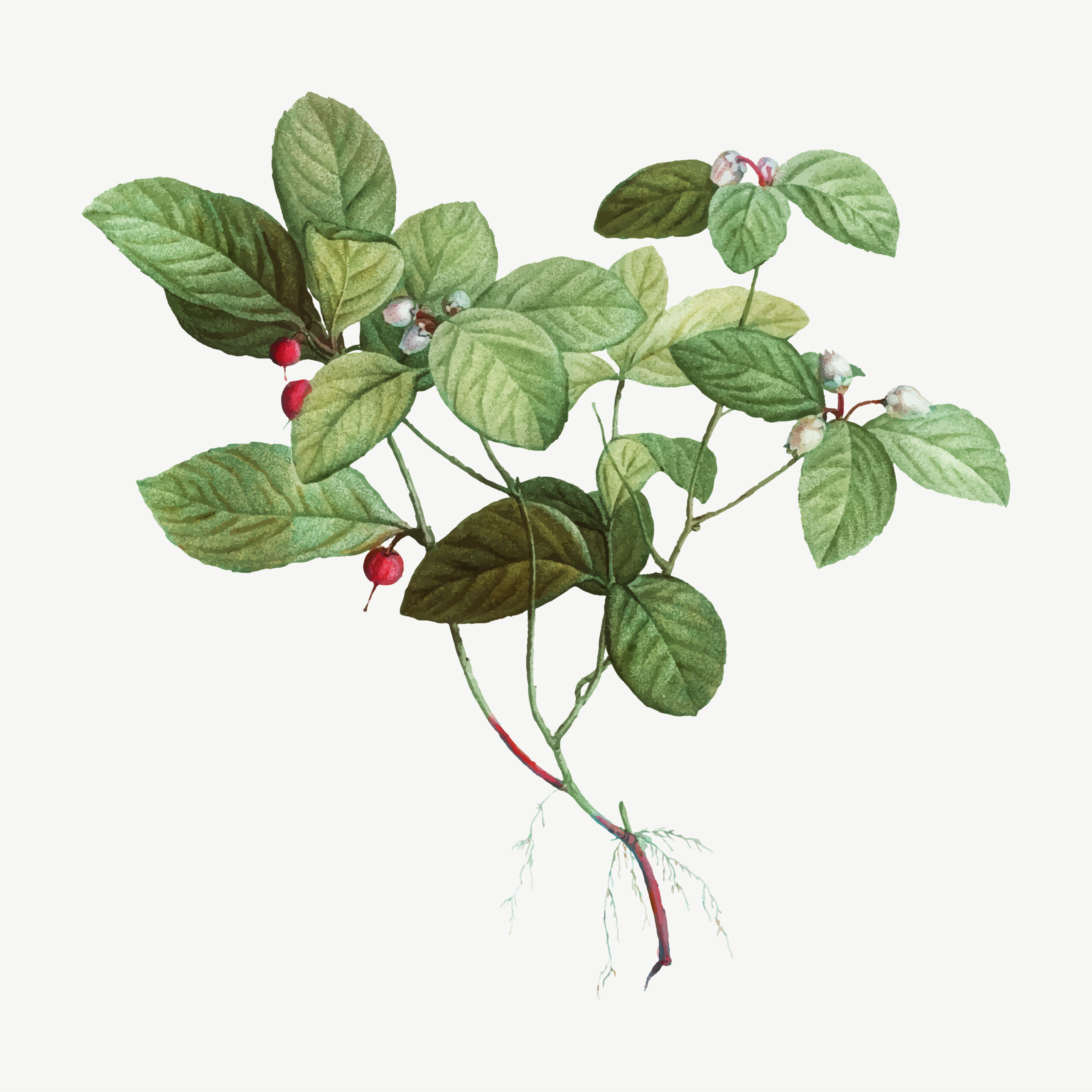
Ashwagandha (Withania somnifera) benefits, like stress and anxiety reduction, have recently shot into the limelight, but its medicinal value goes way back to ancient India as Ayurvedic medicine. One of its traditional uses is as a poultice to manage swelling and boils.
When ground, the leaves have a characteristic ‘horse’ smell stemming from the word itself (Ashva meaning ‘horse’ and Gandha meaning ‘smell’), a musky, earthy smell. Aswagandha is used as follows:
- Reduction of stress and anxiety
- Improve the quality of sleep
- May have mild analgesic and anti-inflammatory effects on knee osteoarthritis
- Improves memory, attention and processing speed
- Boost physical strength and endurance
- Improves male fertility
- May improve blood sugars
- May improve thyroid function
- May mprove female sexual arousal and lubrication
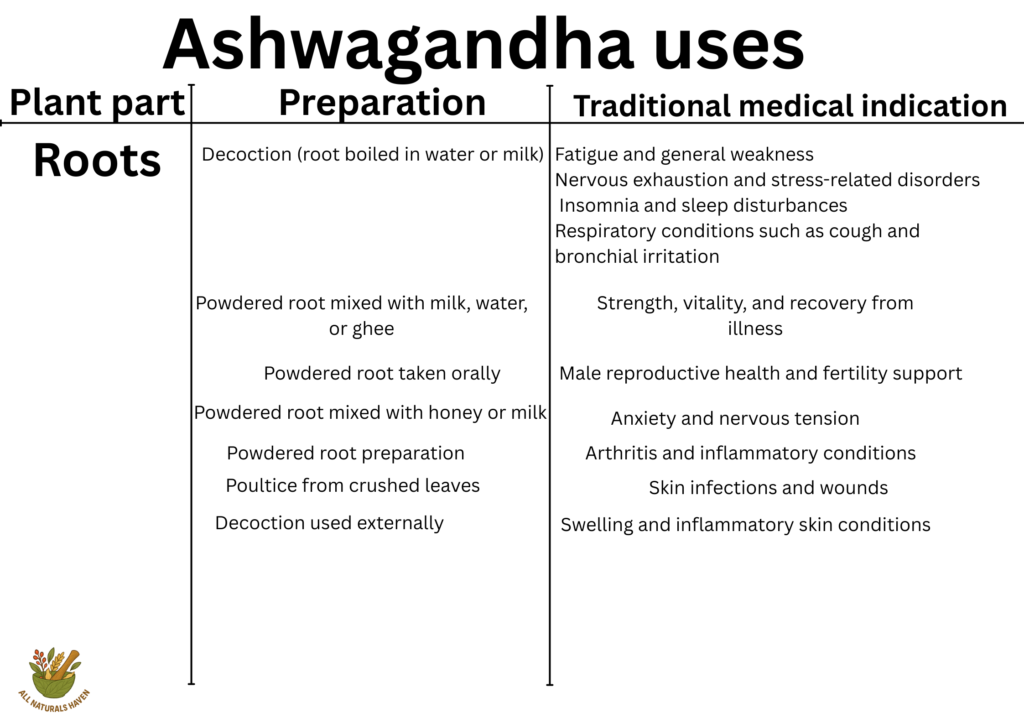
Medical uses and ethnopharmacological profile of Ashwagandha
Ashwagandha Traditional uses
Ashwagandha has long been used in Ayurvedic medicine as a tranquilizer. It is also used to boost both male and female vitality. It was also used to aid in relaxation and fight leprosy as an adaptogen and diuretic. Fresh berries have been used as an emetic, while leaves and seeds have been used as analgesics and to kill lice.
Clinical uses and Research
- An anti-inflammatory agent; ashwagandha has been reported to provide relief of pain and swelling alongside other therapies and a decrease in disability in arthritis patients.
- Treatment of fatigue, anxiety, and stress. A 500 mg dosage was found to be effective in reducing depression and anxiety in both men and women. Alternatively, in another study, a 240 mg daily dose of ashwagandha withanolide glycoside extract over 60 days was reported to decrease cortisol levels. Self-reported improvement on stress and anxiety was also reported.
- Used in boosting cognitive and memory functions. Bipolar and dementia patients have had memory improvement in both immediate and general memory retention tests. This was achieved with a dosage of 300 mg twice daily over a period of 8 weeks.
- Boosts immunity. Ashwagandha 6 ml root extract, twice daily for 4 days, elicited activation of killer cells and increased the CD4 expression, thus optimizing the immune defense system of the body. Supported by Ajit Tharakan 2021
- Enhancing physical performance. In males, 300mg (up to 600mg) daily extract for 8 weeks resulted in increased muscle strength and size. There was also a fat percentage improvement. These findings are supported by a more recent study- Mateusz sprengel 2025
- Reduction of blood sugars. A dosage of 1200 mg daily for 1 month in schizophrenic patients determined that there was an effect of decrease in triglycerides and fasting blood sugars. The latest in vivo studies in rats supports this.
- Helping relieve symptoms of hypothyroidism. A 300mg twice-daily extract of 5% withanolide in adults achieved an improvement in T3 and T4 levels. The treatment was performed over a course of 8 weeks.
Safety and Dosing profile of Ashwagandha
Forms and dosing
Ashwagandha can be used as:
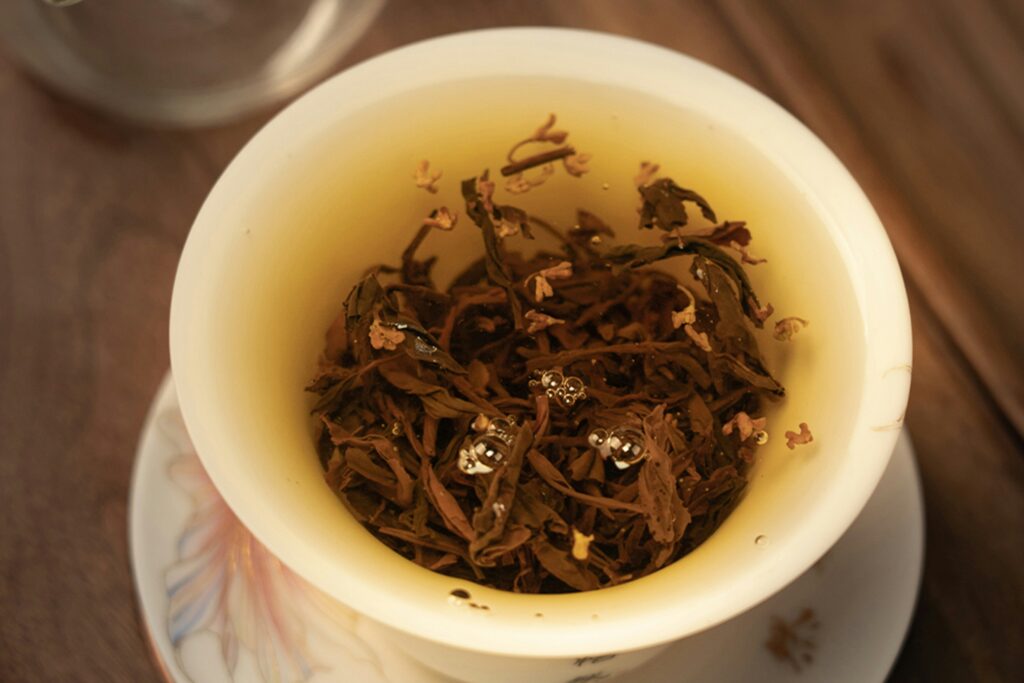
Powder-well-ground root is used to make infusions (as teas) or compacted into a capsule for supplementation.
Tincture: ashwagandha powder is immersed in 40-50% alcohol, like vodka, and tightly covered. Stored in a dark place and occasionally given a shake. This is then strained after 6 weeks and stored in amber glass bottles for use.
- For anxiety, doses range from 125 to 12,000mg (300mg twice daily for 10 weeks, 240 mg once daily for 60 days, and 500mg twice a day for 12 weeks).
- 300 mg twice daily over 10-12 weeks to aid in sleep.
- 120 mg-2 g of powder, if used raw, can be consumed thrice a week and cyclically, i.e., take a break after a month before resuming the thrice-a-week routine.
- For tinctures, they can be consumed in 2-4 ml per day diluted in water or tea (apply a cyclic routine).

NB– Ashwagandha is best used periodically, so it’s best to take breaks in between using supplements or start at lower dosing if daily consumption is advised by your physician.
Side effects and Interactions
Common reported ashwagandha side effects include:
- Somnolence
- Stomach pains
- Diarrhea
- Abortifacient at high doses
- Bitter aftertaste in the mouth
- Drowsiness
There have been reported interactions (potentiation of drug effects) with the following drugs; hence, caution is advised:
- Sedatives and anti-anxiety medication like Phenobarbital
- Some dioxin immunoassays
- Antidiabetic medications such as semaglutide and metformin
- Thyroid medication, i.e., levothyroxine, methimazole
- Blood pressure medication such as losartan, amlodipine and beta blockers (carvedilol etc.)
NB-Avoid in pregnancy and lactation due to its abortifacient property.
Ashwagandha description and composition
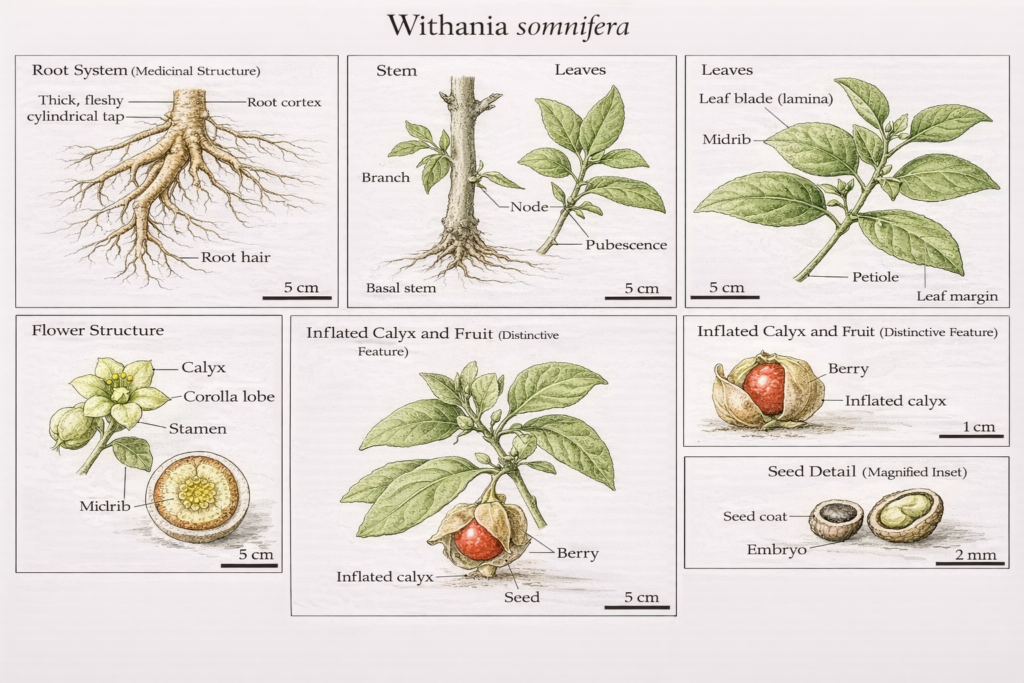
Ashwagandha belongs to the family Solanaceae and is also called the clustered winter cherry in some dialects. It is found natively in Africa, India, and some parts of southern Europe. The plant thrives in a well-drained, slightly alkaline soil mix and can be grown from divisions, cuttings, or propagation with seeds.
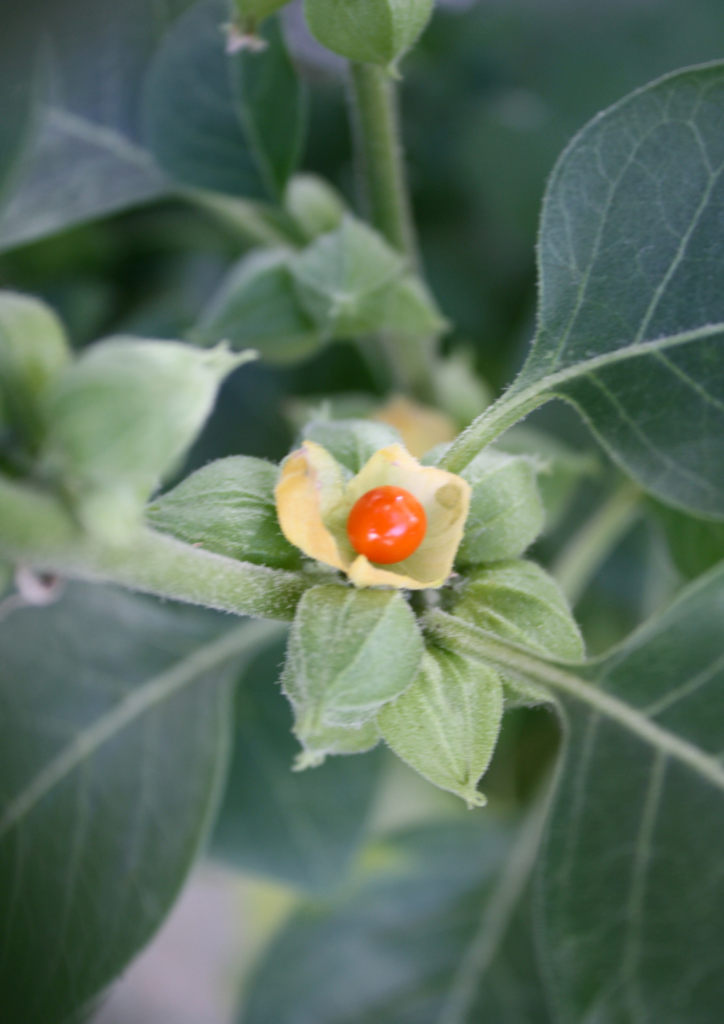
The leaves are longitudinally wrinkled, dull green, and have smooth edges and a velvety texture. The flowers appear bell-shaped and greenish yellow and are quite small, making them less visible on the plant. Ashwagandha has fruits that are round, red-orange berries enclosed in a thin, paper-like husk. The roots, being the most used parts, are long and tuberous with a brownish appearance on the outside but whitish on the inside.
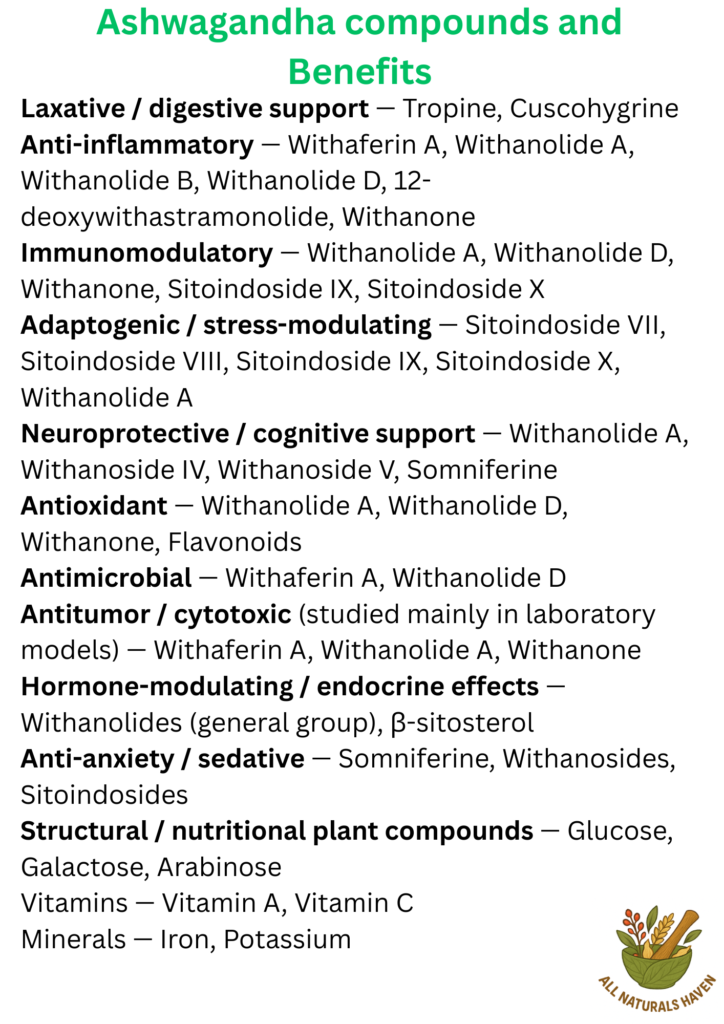
Ashwagandha contains various chemicals, like the alkaloids withanine, somniferine, tropine, hygrine, pseudotropin, steroid lactones, and isopelledrine. These compounds are tied to its biological activity.
Ashwagandha cultivation
Ashwagandha can be planted using seeds. Soak the seeds in water, usually overnight or around 12 hours, then plant them around half a centimeter deep. The seed will germinate in roughly 3 weeks. Plant in a well-drained soil of pH 7-8; soil can be mixed with sand and compost in equal parts to improve drainage. The plant should be exposed to at least 6 hours of daily sunlight.
The plant matures after around 5 to 6 months. An indication of maturity is yellowing leaves and orange-red berries. Roots are dug up, thoroughly washed, dried, and stored in a cool, dry place for preservation. Ensure the plant has air circulation and dries thoroughly between watering, as too much water causes the stem to rot.
After harvesting, the roots are washed and then cut into pieces. The pieces are then dried in a warm, shaded area (but not direct sunlight to avoid the active constituents being denatured and losing their medicinal value). Once dry, the roots are ground into powder and stored away from moisture and sunlight.
REFERENCES
Velan Arumugam, et al. 2024 – Effects of Ashwagandha (Withania Somnifera) on stress and anxiety: A systematic review and meta-analysis,
EXPLORE,Volume 20, Issue 6,2024,103062,ISSN 1550-8307,
https://doi.org/10.1016/j.explore.2024.103062.
(https://www.sciencedirect.com/science/article/pii/S1550830724001691)
Speers AB, Cabey KA, Soumyanath A, Wright KM. Effects of Withania somnifera (Ashwagandha) on Stress and the Stress- Related Neuropsychiatric Disorders Anxiety, Depression, and Insomnia. Curr Neuropharmacol. 2021;19(9):1468-1495. doi: 10.2174/1570159X19666210712151556. PMID: 34254920; PMCID: PMC8762185.
Narayanaswamy CK, Kuruvalli G, Maity S, Shaik AH, Reddyvari H, Reddy VD, Nm G. Fortified Food With Withania Somnifera Modulates Glucose Metabolism in STZ-Induced Hyperglycemia in Rats. Biotechnol Appl Biochem. 2025 Jul 21. doi: 10.1002/bab.70031. Epub ahead of print. PMID: 40686233.
Sharma AK, Basu I, Singh S. Efficacy and Safety of Ashwagandha Root Extract in Subclinical Hypothyroid Patients: A Double-Blind, Randomized Placebo-Controlled Trial. J Altern Complement Med. 2018 Mar;24(3):243-248. doi: 10.1089/acm.2017.0183. Epub 2017 Aug 22. PMID: 28829155.
Leave a Reply