
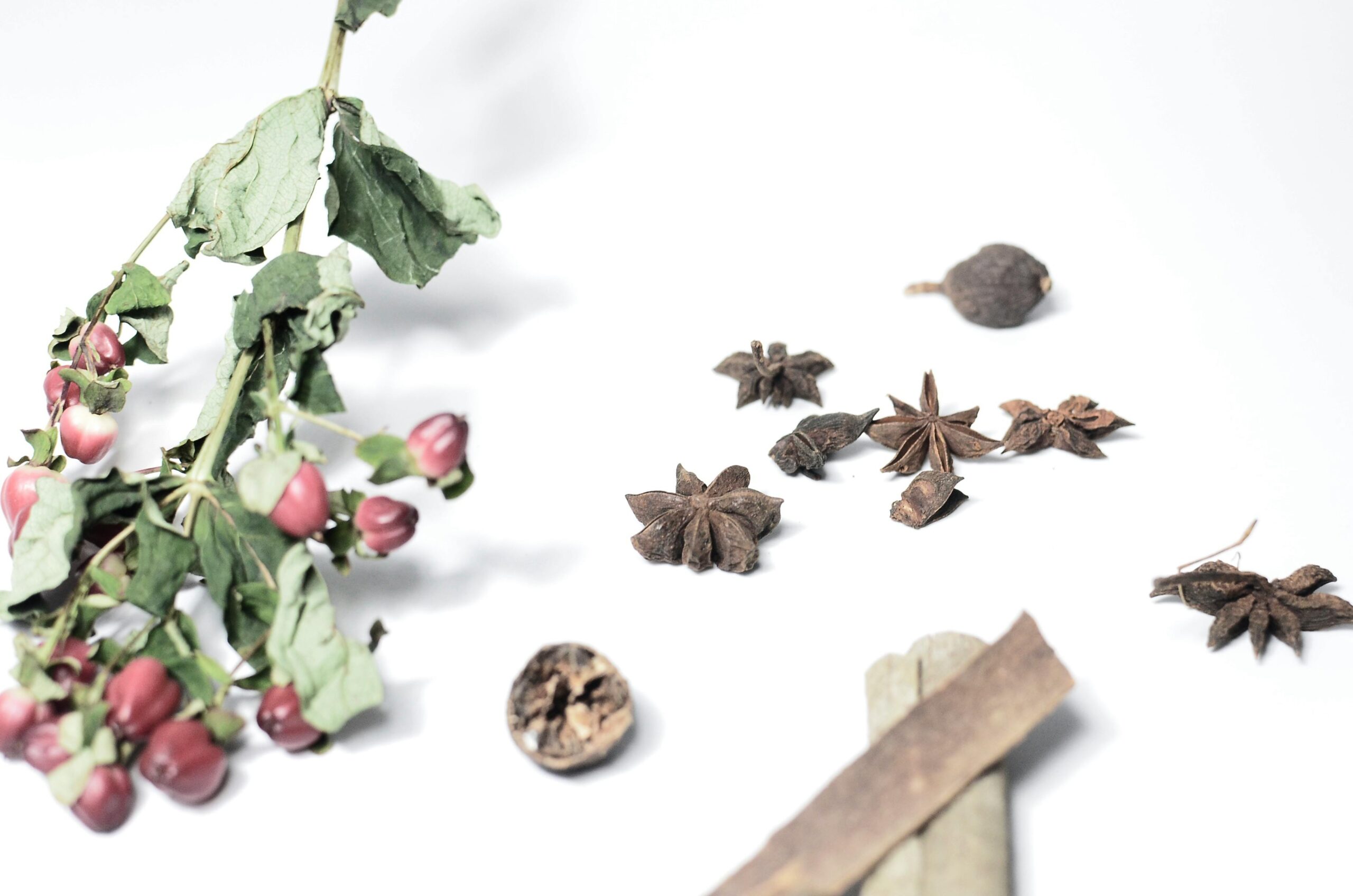
Anise spice, also called “anix,” “sweet cumin,” and “aniseed,” is a beneficial ingredient in natural cough remedies dating back to the time of Hippocrates. Its dried ripe fruit has also been used widely in the Mediterranean region as a component of candy, to flavor food, and in alcoholic drinks.
Anise is used in the following ways:
- As a digestive aid in infant colic and dyspepsia
- In supporting lactation
- Alleviating symptoms of painful menstruation
Jump to section
Medical Uses and ethnopharmacological profile of Anise
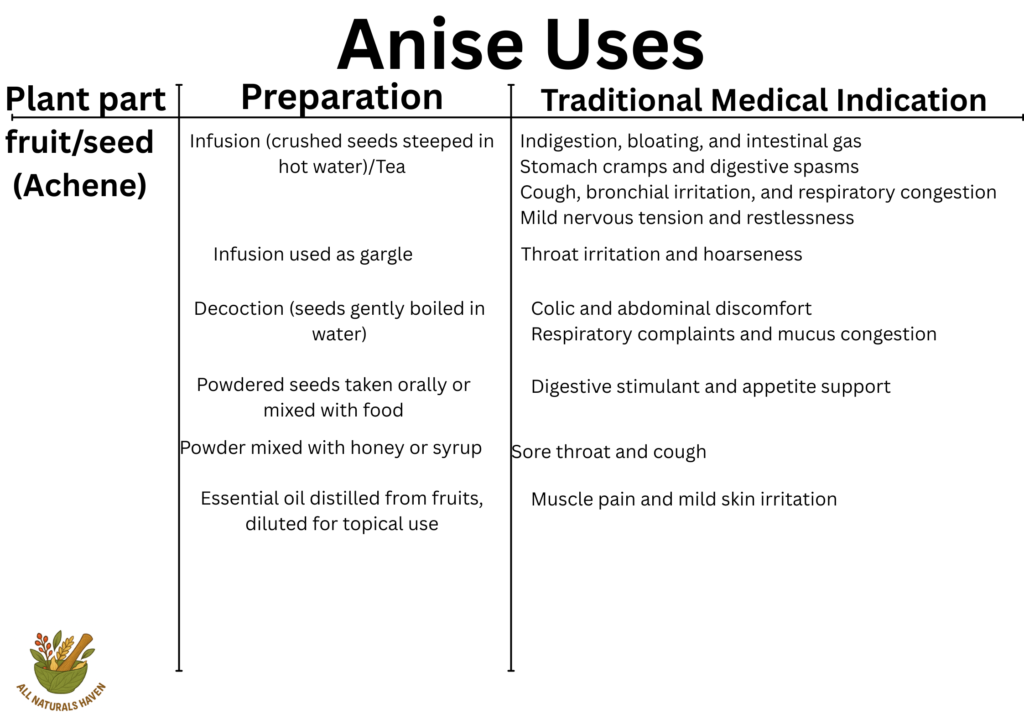
Traditional Uses
In ancient times, anise has been used to promote lactation, alleviate headaches and menstrual cramps, freshen breath/relieve toothaches, and soothe colic in infants. It was also used as an herbal remedy for respiratory conditions like asthma and bronchitis. In Turkey and some Arab regions, it was used spiritually to repel the evil eye.
Clinical Uses and Research
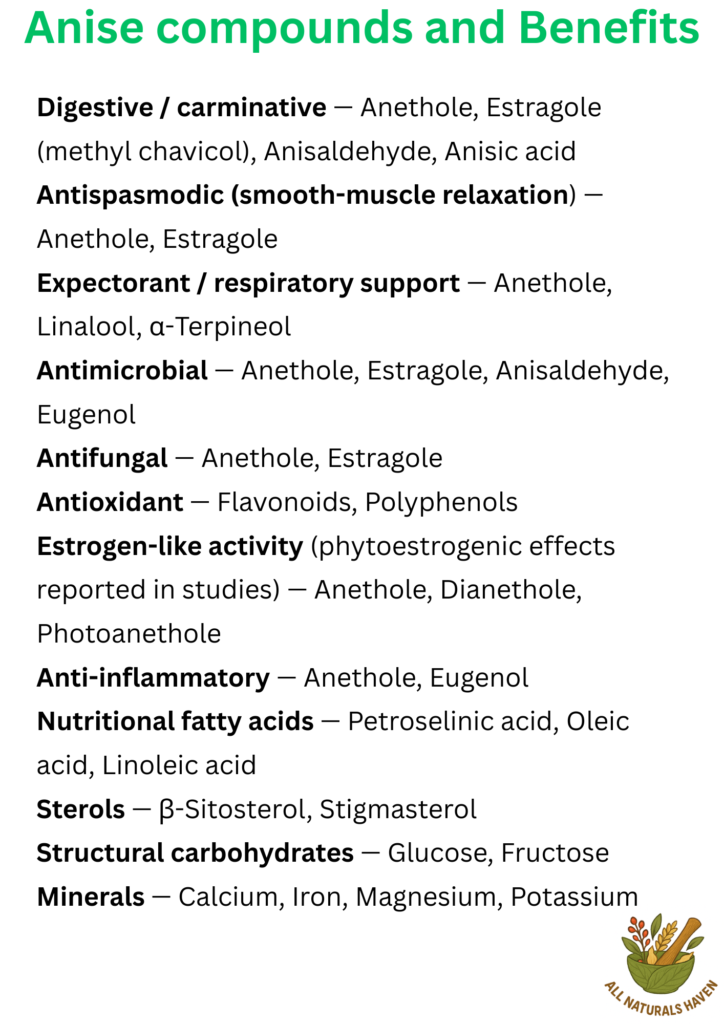
- Expectorant in cough medication. Anise is incorporated in natural cough remedies alongside other ingredients like ivy to soothe various conditions like whooping cough. In 62 patients, a dose of 7.5-115 ml daily for 12 days improved cough symptoms like frequency, hoarseness, and viscous mucus. In order to remove mucus, anethole stimulated bronchial secretions and increased ciliary activity. It also relieves asthma and bronchitis symptoms as an expectorant.
- Antimicrobial/insecticide activity. A combination of coconut and anise has been proven to be effective in the treatment of lice. In 100 participants, two applications 9 days apart as a 15-minute spray exhibited an 82% cure rate, more than that of permethrin lotion (42%). Lice were inhibited via asphyxiation/blockade of their spiracles, which they use for breathing.
- Used in the treatment of bloating as a natural carminative. This can be used in irritable bowel syndrome and dyspepsia, where there has been a reported decrease in abdominal discomfort like pain and constipation. In 107 patients, seed powder at 3 grams daily for 4 weeks exhibited improvement in belching, bloating, and early satiety. This was via the relaxation of gastric smooth muscles by anethole/flavonoids.
- In reduction of menopausal symptoms. Anise in perimenopausal women alleviates symptoms like hot flashes. In 72 postmenopausal women, seed hydroethanolic extract given as 330 mg thrice daily for 4 weeks reduced hot flash intensity by up to 75%. Trans-anethole acted by binding to estrogen receptors. Nahidi 2012
- Increasing lactation. In nursing mothers, infusion of 3 g (3 cups) daily induced notable milk volume and infant weight gain compared to the control group. trans-anethole acted by binding to dopamine receptors, reducing its inhibition of prolactin. Used as a galactagogue in animal models. Sultana 2025
- Used in psoriasis treatment in combination with UV light. In human trials, a 2%-5% essential oil cream blend with other ingredients applied twice daily reduced scaling and erythema. This was via an anti-proliferative action of inhibiting overgrowth of keratinocytes.
Safety and Dosing Profile
Forms and Dosing
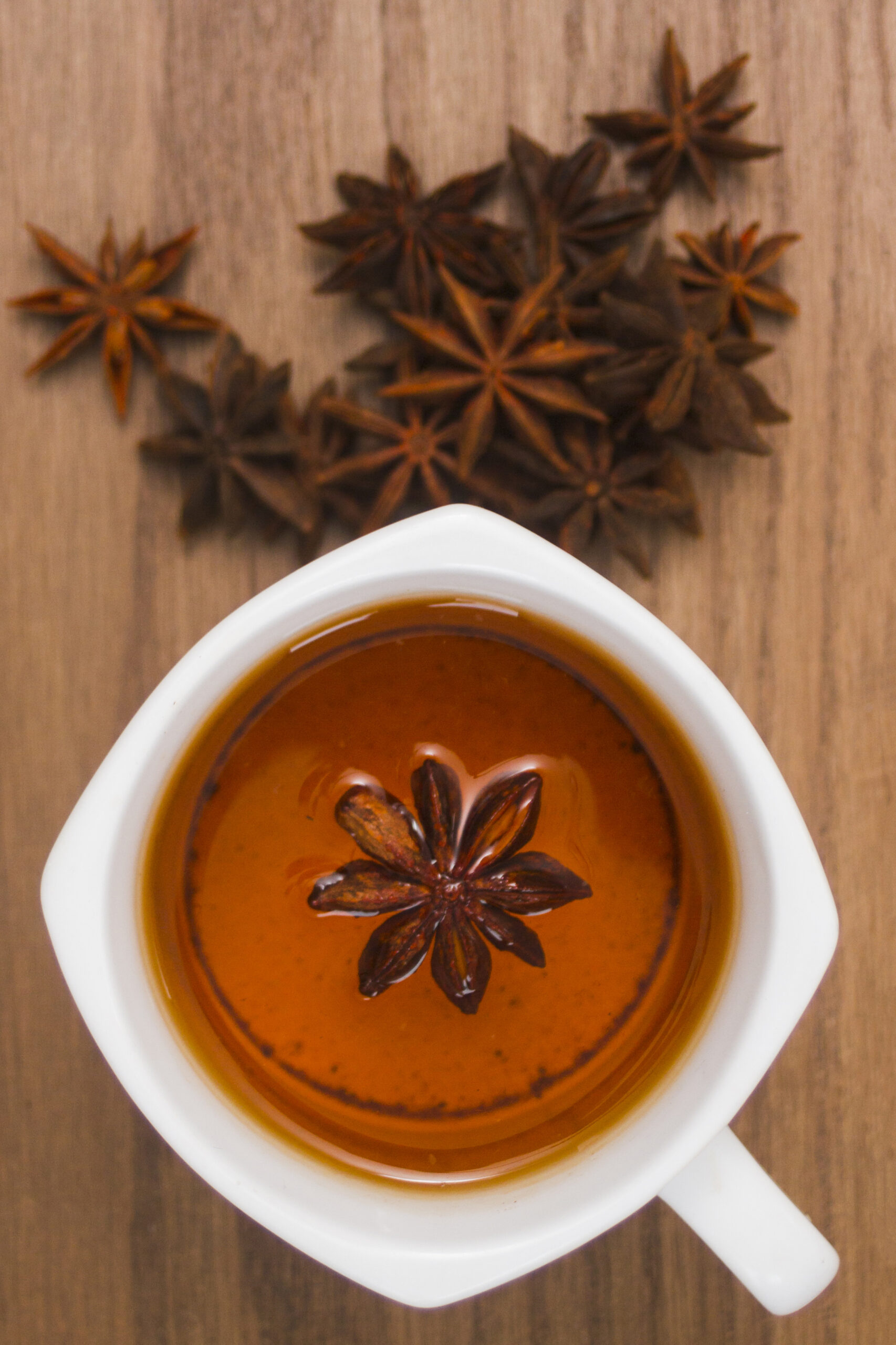
Anise can be used as:
Powders- crushed seeds compacted into tablets for supplements or used to make infusions. Wet powder also used in poultices for topical mixtures
Seeds– used as a decoction (slightly stronger than infusions). Crushed seeds are also Ingested as is, and they release volatile oils quickly.
Oils– distilled from seeds and diluted before use in aromatherapy and as a massage oil.
Syrup– combining anise decoction or extract with honey or an alcohol base
Tincture– crushed seeds in alcohol and let to rest over a month, then put to use.
Oil-infused balm– added to carrier oils like olive oil, allowed to seep into the oil, then used topically.
- 3g powder three times daily for 4 weeks in dyspepsia.
- 330 mg three times daily for 4 weeks to aid in menopausal symptoms.
- 2- 5 g per day of raw anise powder or seeds. Ideally taken two to three times a week.
- Topically, it can be applied up to 4 times a day.
- Tinctures can be used diluted, 1-2 ml up to 3 times daily.
/product/02/7527423/1.jpg?1028)
Side Effects and Interactions
Commonly reported side effects of anise include:
- Allergic reactions, e.g., erythema.
- Nausea and vomiting.
- Aniseed toothpaste can cause cheilitis and stomatitis.
- May cause photosensitivity (bergapten)
Aniseed interacts with codeine and benzodiazepines and antidepressants such as imipramine and fluoxetine.
NB-Avoid using topical aniseed directly on children, as it is highly concentrated and may induce reactions. People allergic to dill and fennel should also avoid anise.
Anise Description and Composition
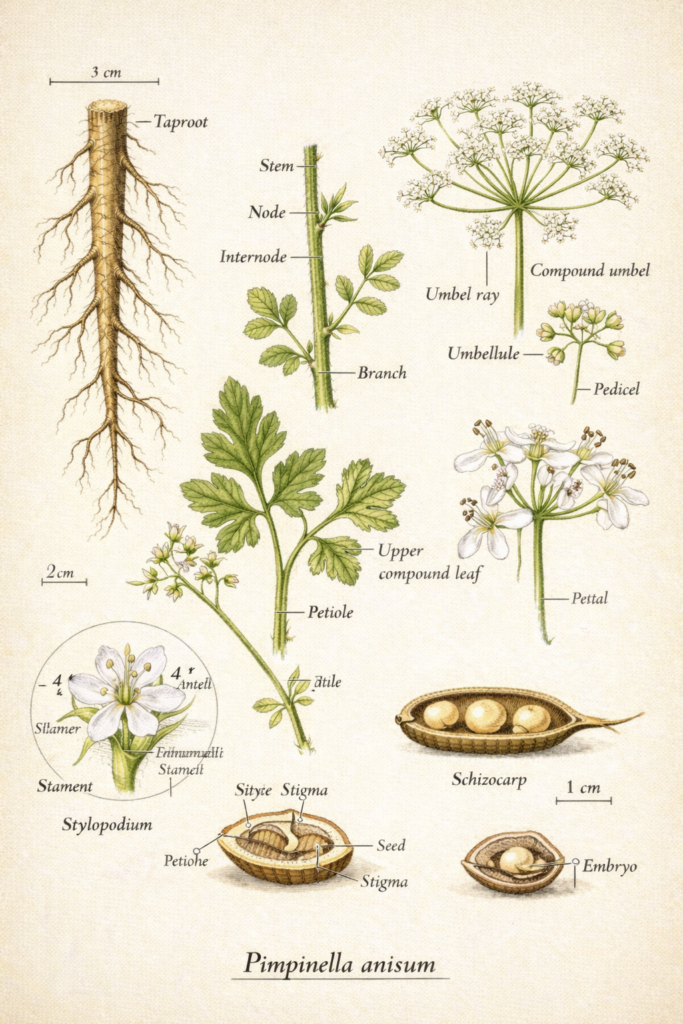
Anise belongs to the family Umbelliferae. It is native to Egypt, Italy, Malta, Russia, Germany, and Bulgaria. It does well in a warm, dry climate with well-drained soil that is loamy or sandy loam. Anise contains various chemicals such as anisic acid, estragole, anisaldehyde, umbelliferone and scopoletin, rutin, quercetin, lipids, and fatty acids, amongst others. These compounds contribute towards its aromatic and medicinal value.
Anise seeds are small and ovoid-conical with a green, brown, or grayish appearance. It is rich in essential oils that give anise its sweet, licorice-like smell. The leaves are secondarily feathered with bright green colors and are rich in vitamins and mild antioxidants. Its flowers are small and white, occurring in umbrella-shaped clusters called umbels. The roots and stems are thin, fibrous, and hollow and often used to add aroma to dishes.
Anise cultivation
Anise can be grown at home in garden beds or containers. The soil should be light and well drained (sandy loam/loam) with neutral to slightly acidic pH values of 6-7. 5. Seeds are to be sown directly onto the soil about 1 cm deep and given proper spacing of about 30 cm apart. Ensure the plant is exposed to at least 8 hours of sunlight a day, as anise naturally does well in warm temperatures (16-25 degrees Celsius.)
Water well during the early budding and growth period of 1-2 weeks. Gradually reduce the watering as the plant matures, allowing for topsoil to dry in between watering sessions. Leaves are harvested once at about 30 cm, but seeds are ready in about 4 months, as indicated by seed heads turning grayish brown and drying up.
The seed heads are cut and tied in a bundle and hung upside down to dry. They are then transferred to a tightly closed container and kept in a cool, dark place.
REFERENCES
Shojaii A, Abdollahi Fard M. Review of Pharmacological Properties and Chemical Constituents of Pimpinella anisum. ISRN Pharm. 2012;2012:510795. doi: 10.5402/2012/510795. Epub 2012 Jul 16. PMID: 22848853; PMCID: PMC3405664.
AlBalawi AN, Elmetwalli A, Baraka DM, Alnagar HA, Alamri ES, Hassan MG. Chemical Constituents, Antioxidant Potential, and Antimicrobial Efficacy of Pimpinella anisum Extracts against Multidrug-Resistant Bacteria. Microorganisms. 2023 Apr 14;11(4):1024. doi: 10.3390/microorganisms11041024. PMID: 37110449; PMCID: PMC10144661.
Ghoshegir SA, Mazaheri M, Ghannadi A, Feizi A, Babaeian M, Tanhaee M, Karimi M, Adibi P. Pimpinella anisum in the treatment of functional dyspepsia: A double-blind, randomized clinical trial. J Res Med Sci. 2015 Jan;20(1):13-21. PMID: 25767516; PMCID: PMC4354059.
Khalili S, Amiri-Farahani L, Haghani S, Bordbar A, Shojaii A, Pezaro S. The effect of Pimpinella Anisum herbal tea on human milk volume and weight gain in the preterm infant: a randomized controlled clinical trial. BMC Complement Med Ther. 2023 Jan 21;23(1):19. doi: 10.1186/s12906-023-03848-6. PMID: 36681821; PMCID: PMC9862552.
Ahmed Asim S, Ahmed S, Us-Sehar N. Psoralen-ultraviolet A treatment with Psoralen-ultraviolet B therapy in the treatment of psoriasis. Pak J Med Sci. 2013 May;29(3):758-61. doi: 10.12669/pjms.293.2622. PMID: 24353623; PMCID: PMC3809278.
Leave a Reply