
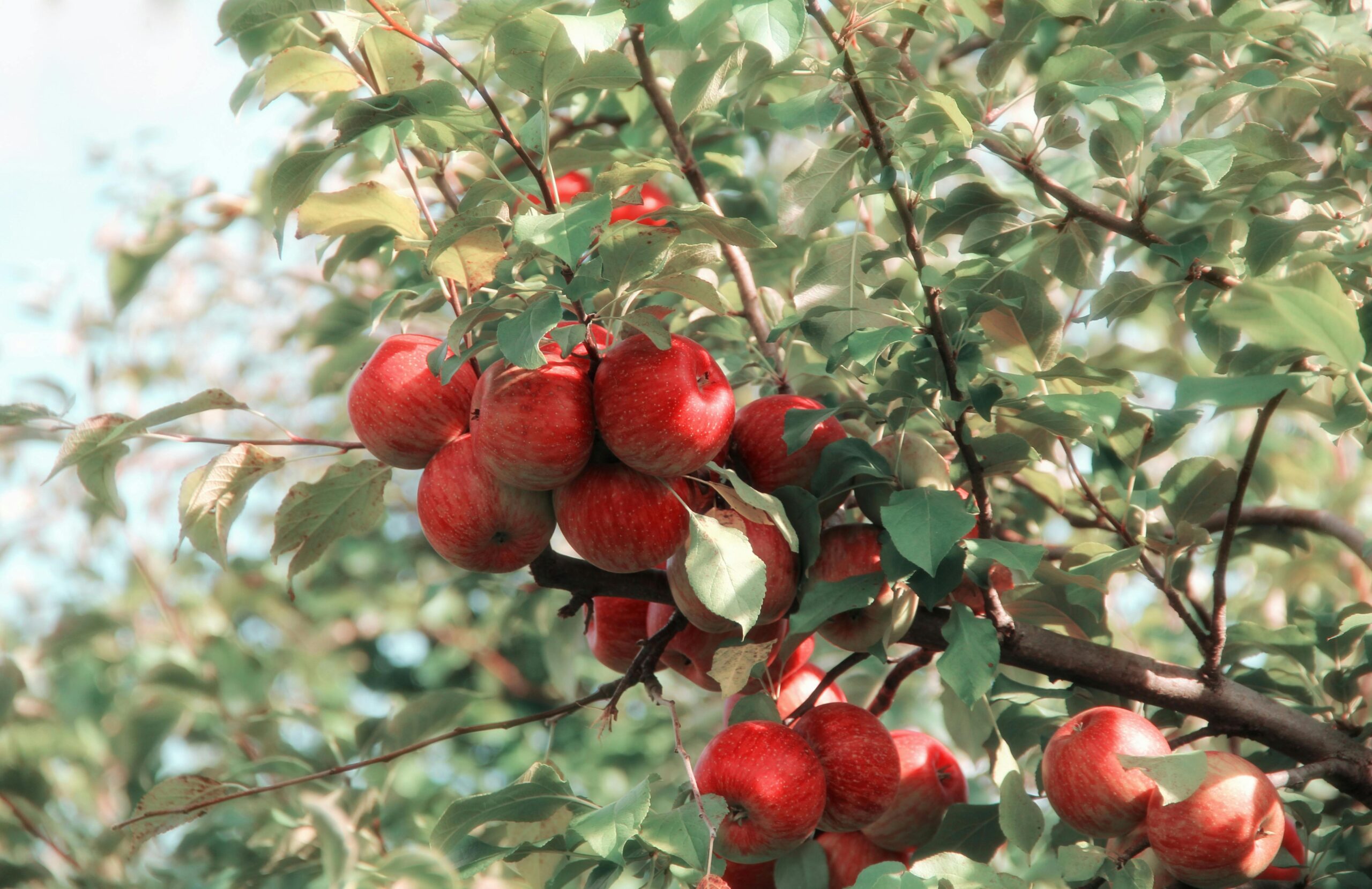
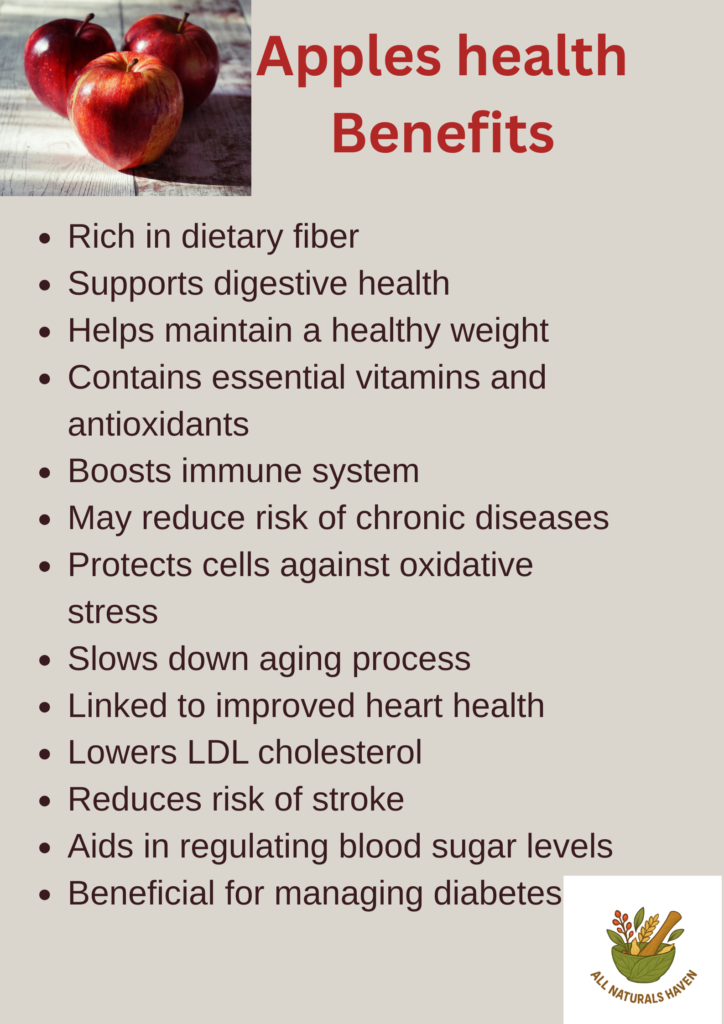
Apples are a relatively common fruit that is eaten fresh but can also be used in making apple cider vinegar and in baking pies, ciders, wines, and juices. It is rich in minerals and vitamins like potassium and vitamins A and C, alongside other constituents like flavonoids, glucosides, polyphenols, pectin, fiber, and organic acids. Apple uses are listed in the image below.
Jump to: Medicinal uses and ethnopharmacological profile
Apple Description
The apple is thought to be originally from Asia, but currently it is cultivated all over the world. Common varieties cultivated and available in the market include Gala, Fuji, Ambrosia, Spartan, Belle de Boskoop, and Granny Smith/Red/Golden Delicious apples.
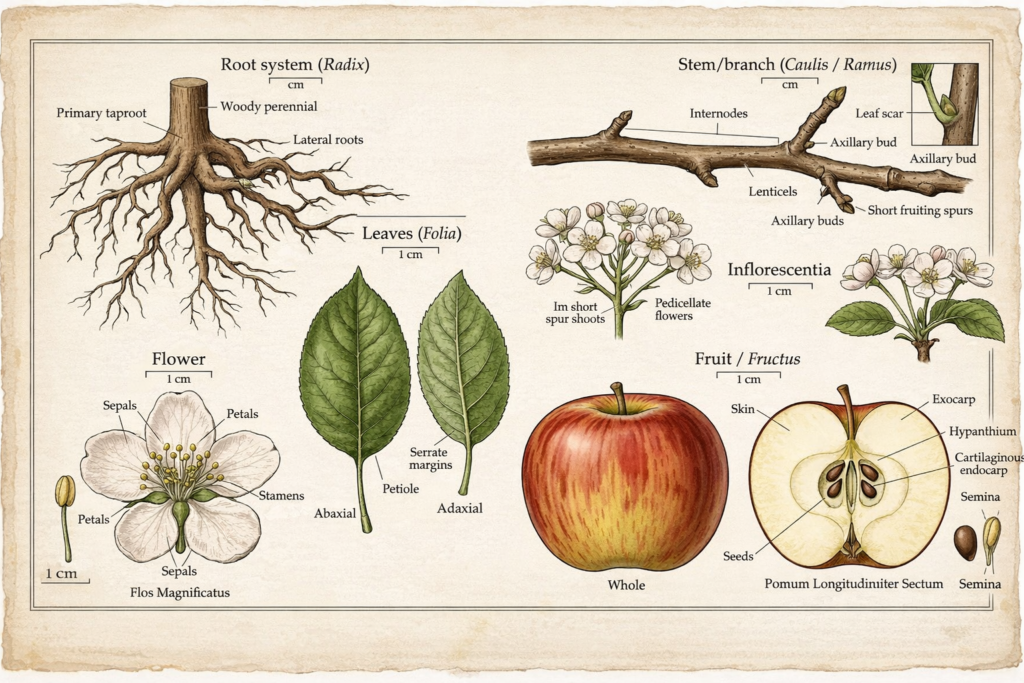
The apple fruit is a pome and is roughly 5 to 8 centimeters in diameter. The smaller varieties grow to roughly 4 centimeters, and the larger varieties reach up to 12 centimeters. The color depends on the apple breed, but they range from green (Granny), red (Fuji), yellow (Golden Delicious), and a blend of yellow and red or red and green (Gala). The surface is smooth and glossy, while the inside is dense and white, with seeds lining up in the midsection.
Apple (tree) Medicinal Uses and ethnopharmacological profile
Traditional uses of apples
Reported uses in traditional medicine include treatment of cancer, diabetes, dysentery, constipation, fever, and warts (Duke, 1985). Apples are also believed to clean the teeth.
Clinical Uses and Research
Hair growth properties– Gastric-resistant extract capsules administered twice a day over 8 weeks were able to improve hair growth in volunteers with baldness. Caruso 2017
Anticancer properties- Flavonoids extracts have proven to have modulation of carcinogenic activities and of signal transduction pathways.
Improve cardiovascular health– Antioxidant activity alongside fiber content aids in decreasing lipid oxidation and improving endothelial function and bioactivity of nitric oxide, all of which aids in boosting heart health.
Lowering blood sugars– Fibers, sodium, and low-fat content, i.e., pectin, act to lower normal cholesterol and normalize blood sugar and insulin activities; hence, they are useful in type 2 diabetes and beneficial in obesity. In another study, acute plasma glucose and insulin concentrations were better in volunteers who consumed 1 serving of dried apples compared with consumption of a muffin.
Improves constipation– Insoluble fibers promote bowel regularity and relieve constipation and may also aid in diverticulosis.
Alleviate allergic symptoms- polyphenol extracts at 500 mg twice daily in children and in adults found relief from symptoms of allergic rhinitis like sneezing and nasal discharge.
Anti-inflammatory activity– Apple extracts showed improved symptoms in arthritis (dried apple peel powder, 1.5 g thrice daily for 12 weeks), atopic dermatitis, and acute gastritis in clinical trials, whereas in vitro studies show inhibition of both cyclooxygenase 2 and lipoxygenase enzymes. (Jensen 2014)
Antioxidant activity– It is thought to be due to the concentration on the skin of the apples. Drinking 500 ml of organic unfiltered apple juice has shown increased antioxidant activity as noted in the increase in human plasma antioxidant activity.
NB– Crude apple products interact with certain medications like elvitegravir, fexofenadine, atenolol, and aliskiren, reducing their efficiency. Do not take them together.
Apples are best eaten raw when ripe as a fruit or blended into juices and smoothies. For medical purposes, consult a physician for the best extract to use and for dosing instructions.
REFERENCES
Kahle K, Kraus M, Richling E. Polyphenol profiles of apple juices. Mol Nutr Food Res. 2005 Aug;49(8):797-806. doi: 10.1002/mnfr.200500064. PMID: 15991215.
Enomoto T, Nagasako-Akazome Y, Kanda T, Ikeda M, Dake Y. Clinical effects of apple polyphenols on persistent allergic rhinitis: A randomized double-blind placebo-controlled parallel arm study. J Investig Allergol Clin Immunol. 2006;16(5):283-9. PMID: 17039666.
Zimmerman, Kara & Kern, Mark & Hong, Mei Yin & Liu, Changqi & Hooshmand, Shirin. (2018). Acute Effects of Dried Apple Consumption on Metabolic and Cognitive Responses in Healthy Individuals. The FASEB Journal. 31. 10.1096/fasebj.31.1_supplement.796.11.
Threapleton DE, Greenwood DC, Evans CE, Cleghorn CL, Nykjaer C, Woodhead C, Cade JE, Gale CP, Burley VJ. Dietary fibre intake and risk of cardiovascular disease: systematic review and meta-analysis. BMJ. 2013 Dec 19;347:f6879. doi: 10.1136/bmj.f6879. PMID: 24355537; PMCID: PMC3898422.
Wruss J, Lanzerstorfer P, Huemer S, Himmelsbach M, Mangge H, Höglinger O, Weghuber D, Weghuber J. Differences in pharmacokinetics of apple polyphenols after standardized oral consumption of unprocessed apple juice. Nutr J. 2015 Apr 1;14:32. doi: 10.1186/s12937-015-0018-z. PMID: 25890155; PMCID: PMC4396834.
Leave a Reply