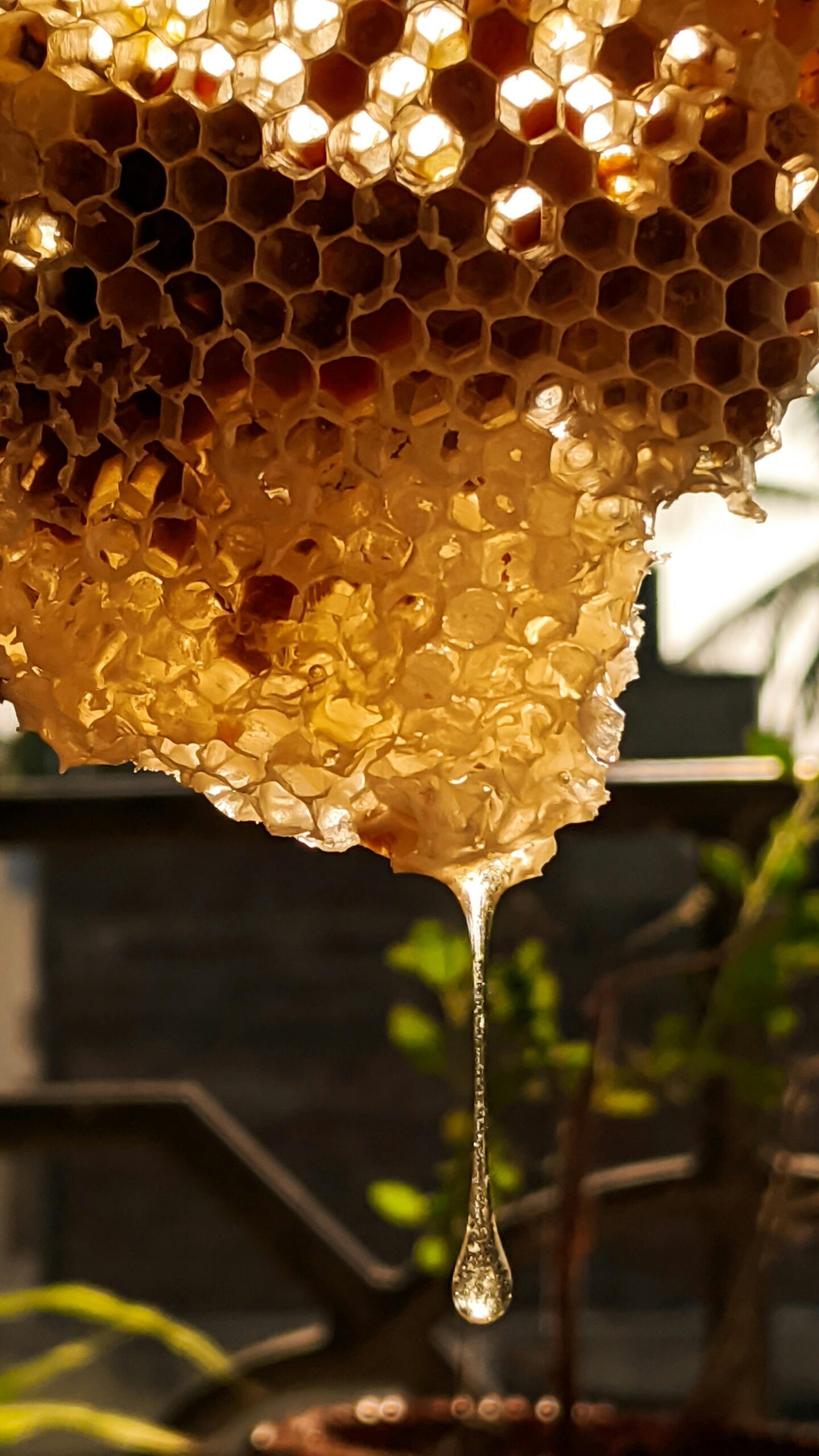
Honey is a naturally sticky substance produced by honeybees from plant nectar or secretions. It is a thick and viscous dehydrated enzymatic solution of sugars. It can be blackish, brownish, yellowish/golden, or whitish to amber in appearance. It is acidic with a pH of 3.2-4.5 and hygroscopic with a water activity of 0.6. Honey consists of sugars, water, enzymes, antioxidants, and minerals.
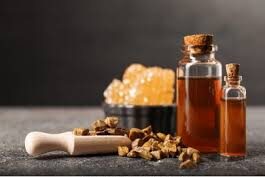
Propolis is essentially the bee glue, a sticky, dark-colored, resinous substance collected from various plant exudates (birches, pines, and poplars). It is hard when cold, sticky when warm, and dissolves in ethanol and oils. It is essentially a mixture of beeswax, pollen, and salivary enzymes. It contains resins, balsams, waxes, essential oils, and various organic compounds like flavonoids and phenolic esters.
Traditional Applications
It was used in wound care, clearing of phlegm from the airway, as a carrier for other medicinal compounds, to scrape fats and toxins, and for constipation. Highly purified honey was used as eye drops and as the precursor for modern honey-based eye drops.
Propolis Health Uses and Research
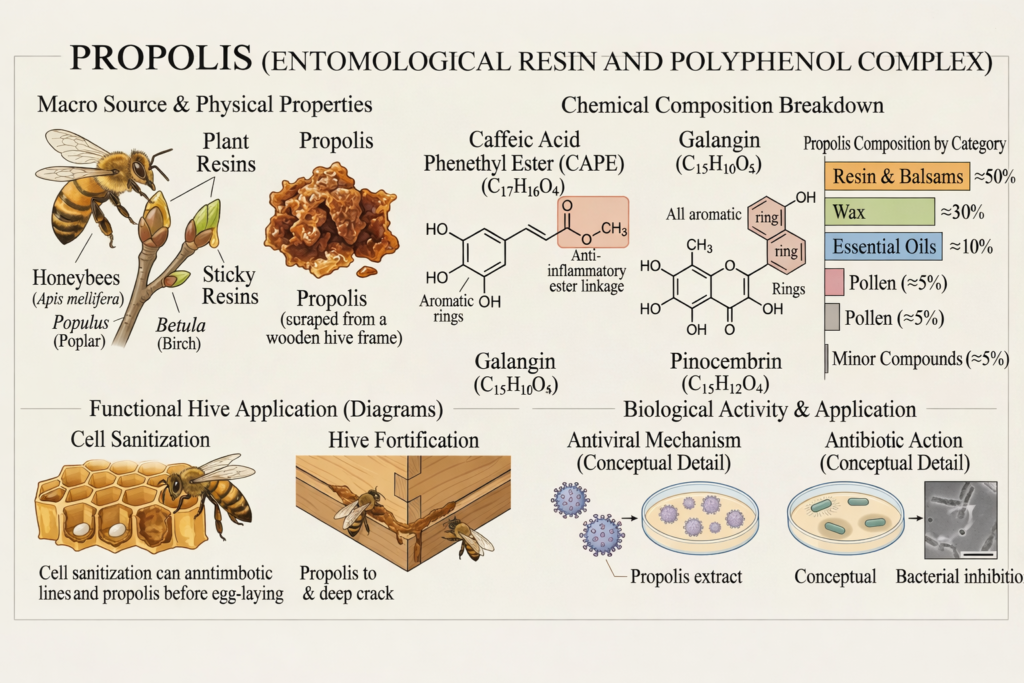
Immunomodulatory in respiratory tract infection: Propolis achieved a reduction in common colds and shortened the duration of their symptoms. It was able to stimulate macrophage activity and modulate cytokine production, improving general immune defense. ( Ayad 2025)
Herpes cold sores: 3% ointment elicited faster healing time and reduction of localized pain compared to acyclovir. It has a virucidal effect through flavonoids, which interfere with viral entry and replication in host cells.
Vaginal candidiasis: 5% extract inhibited Candida albicans comparable to clotrimazole cure rates. It balanced the vaginal pH and eradicated the fungi by inhibition of transition from yeast to the infectious “hyphal” form.
Glycemic control: Propolis reduced HbA1c levels and fasting blood sugar over 8-12 weeks when administered at 400-1500 mg. It inhibited the enzyme glucosidase and reduced oxidative stress in beta pancreatic cells.
Chronic periodontitis: The gel improved periodontal pocket depth. As an anti-inflammatory agent, it inhibited the cyclooxygenase and lipoxygenase pathways, reducing the destruction of gum tissues. ( Bracho 2023)
Oral health/gingivitis: The wash was as effective as chlorhexidine mouthwash in eliminating bacteria and alleviating gingivitis. It disrupted the wall membranes of the bacteria streptococci mutans to prevent dental plaque.
Honey health uses and Research
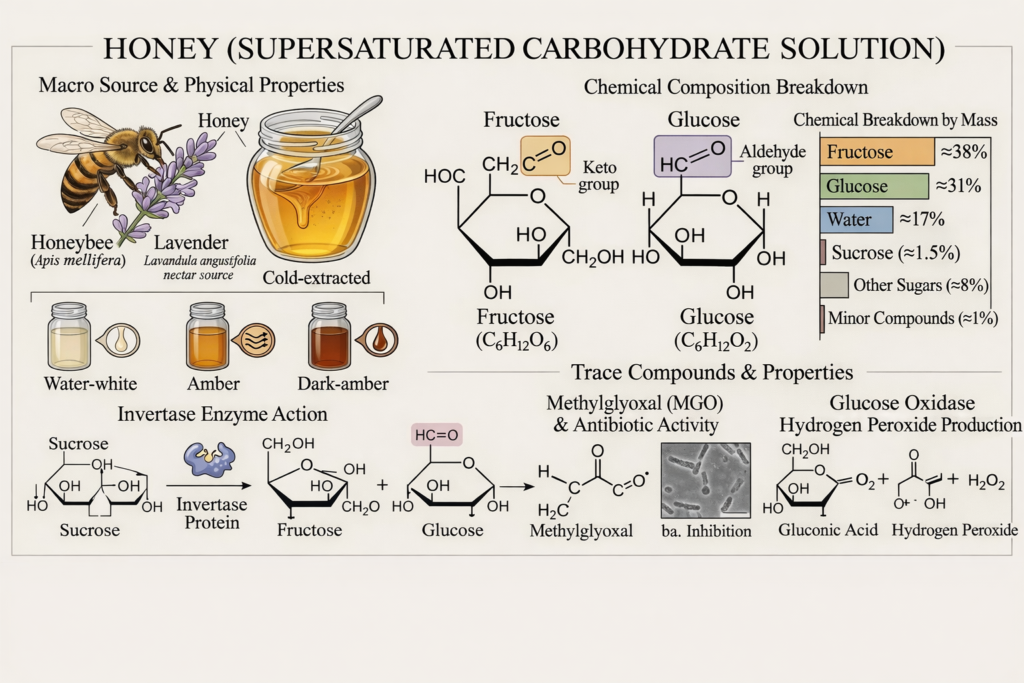
Burn wound (partial/thick): when applied to burn wounds, it elicited faster healing in 4-5 days compared to silver sulfadiazine and paraffin gauze. This was due to the hygroscopic and acidic nature of honey that makes it have an antibacterial property. It creates a high osmotic gradient, drawing lymph fluid through the wound, flushing out bacteria, and providing a physical barrier. ( Tashkandi 2021)
Gastroenteritis (diarrhea): Honey shortened the duration and intensity of diarrhea when administered alongside oral rehydration salts. It acted as a prebiotic and osmotic agent, with oligosaccharides feeding the good bacteria and facilitating transportation of water, sugars, and sodium in the gut. ( Hala G. 2013)
Acute pediatric cough: There was suppression of cold when given 10 grams at bedtime. It acted as an antioxidant and demulcent by coating sensory fibers in the larynx and reducing oxidative stress in the upper respiratory tract.
Chemotherapy-induced oral mucositis: Honey reduced grade 3 and 4 oral sores through epithelial regeneration. It promoted proliferation of fibroblast cells by providing a moist, nutrient-rich environment. ( Anshasi 2025)
Postoperative wounds: It was able to reduce chances of infection and hasten the process of wound ‘slough’ removal without damaging newly forming tissues. It exhibited an anti-inflammatory action by reducing the production of pro-inflammatory cytokines while stimulating B and T cell lymphocytes.
Diabetic foot ulcer: Honey was able to salvage a limb that had previously failed conventional treatment. Manuka honey showed activity via the compound methylglyoxal that inhibited biofilm formation of Staphylococcus aureus and Pseudomonas aeruginosa.
Safety and dosing profile of Honey/propolis
Dosing
- Cough- 10-20grams in adults and 2.5 to 5 ml in children
- Wounds and burns applied after 2-48 hours
- Sore throat: 1 tablespoon/5 ml
- Bosting immune- capsules of 400-1500 mg
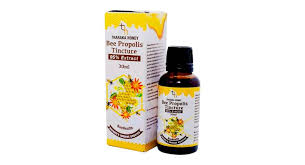
- Oral ulcers- tincture/spray 3 to 5 times
- Cold sores- 3% ointment 4 to 5 times a day
Side effects
- Blood sugar spikes
- Osmotic diarrhea, gas, and bloating
- ‘Mad honey poisoning’
- Contact dermatitis
- Staining in tinctures
Contraindications
- In children below 1 year
- Allergy to pollens
- Propolis in severe asthma
REFERENCES
Ożarowski M, Karpiński TM. The Effects of Propolis on Viral Respiratory Diseases. Molecules. 2023 Jan 1;28(1):359. doi: 10.3390/molecules28010359. PMID: 36615554; PMCID: PMC9824023.
Yosri, N., Abd El-Wahed, A. A., Ghonaim, R., Khattab, O. M., Sabry, A., Ibrahim, M. A. A., Moustafa, M. F., Guo, Z., Zou, X., Algethami, A. F. M., Masry, S. H. D., AlAjmi, M. F., Afifi, H. S., Khalifa, S. A. M., & El-Seedi, H. R. (2021). Anti-Viral and Immunomodulatory Properties of Propolis: Chemical Diversity, Pharmacological Properties, Preclinical and Clinical Applications, and In Silico Potential against SARS-CoV-2. Foods, 10(8), 1776. https://doi.org/10.3390/foods10081776
Mutlu Sariguzel F, Berk E, Koc AN, Sav H, Demir G. Antifungal Activity of Propolis Against Yeasts Isolated From Blood Culture: In Vitro Evaluation. J Clin Lab Anal. 2016 Sep;30(5):513-6. doi: 10.1002/jcla.21889. Epub 2016 Jan 20. PMID: 26791093; PMCID: PMC6807121.
Zhang Y, Ding S, Li W, Wang X, Lv J, Niu Q and Zhang Q (2025) Propolis effects on blood sugar and lipid metabolism, inflammatory indicators, and oxidative stress in people with type 2 diabetes: a systematic review and meta-analysis. Front. Nutr. 12:1653730. doi: 10.3389/fnut.2025.1653730
Jain, Samnhav & Rai, Rohit & Gupta, Vandana & Batra, Manu. (2014). PROPOLIS IN ORAL HEALTH: A NATURAL REMEDY. World Journal of Pharmaceutical Sciences. 2. 90-94.
Oduwole O, Udoh EE, Oyo-Ita A, Meremikwu MM. Honey for acute cough in children. Cochrane Database Syst Rev. 2018 Apr 10;4(4):CD007094. doi: 10.1002/14651858.CD007094.pub5. PMID: 29633783; PMCID: PMC6513626.
Lu J, Turnbull L, Burke CM, Liu M, Carter DA, Schlothauer RC, Whitchurch CB, Harry EJ. Manuka-type honeys can eradicate biofilms produced by Staphylococcus aureus strains with different biofilm-forming abilities. PeerJ. 2014 Mar 25;2:e326. doi: 10.7717/peerj.326. PMID: 24711974; PMCID: PMC3970805.
Alam, Fahmida, Islam, Md. Asiful, Gan, Siew Hua, Khalil, Md. Ibrahim, Honey: A Potential Therapeutic Agent for Managing Diabetic Wounds, Evidence-Based Complementary and Alternative Medicine, 2014, 169130, 16 pages, 2014. https://doi.org/10.1155/2014/169130
Leave a Reply