
Apricots have been traditionally used as a nutritional source of vitamins and minerals like vitamins A, C, and K, thiamine, niacin and iron. They are eaten raw and can also be made into jams and used in flavoring liqueurs.
Apricots are originally from China and Japan but are currently cultivated in other places like Turkey, Iran, and Algeria. Various varieties exist that include Blenheim, Moorpark, Tilton, Perfection, Katy, Goldrich/Goldcot, and Tomcot. Apricots contain compounds like beta carotene, carbohydrates, organic acids, phenols, and volatile compounds like benzaldehyde, oleic acids, squalene, sterols, and terpenoids.
Traditional uses of Apricot
In traditional China, the amygdaline in kernels was used in small amounts for asthma, cough, and constipation (WHO 2007). The paste was also employed in vaginal infections (duke 2002). A decoction of the plant’s bark was also used in skin conditions as an astringent. Other traditional uses include treatment of infertility, spasms, and eye inflammation.
Benefits and pharmacological profile of Apricot
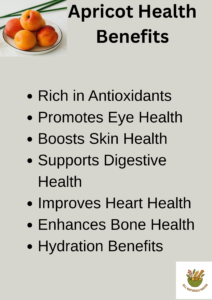
Anti-Inflammatory effects– kernel extract and oil reduced symptoms of ulcerative colitis in rats by combating inflammation (minaiyan 2014). Phytosterol extract from the bark also improved symptoms of benign prostatic hyperplasia by modulating androgen growth and improving urinary flow. (Jena 2016)
Antioxidant activity– linked to the high content of vitamins C and A and apricot kernel oil, which act as radical scavengers.
Cardiovascular effects– apricot seeds at 60 mg/kg for 12 weeks showed improvement of LDL after 42 days of consumption and a decrease in average total cholesterol in animal studies. This action in turn reduces plaque formation in arteries and promotes blood flow, thus potential cardiovascular effects. (kopcekova 2018)
Endocrine effects– apricot seeds at 60 mg/kg for 42 days increased the hormones follicle-stimulating hormone, testosterone, and androstenedione in an animal model. This may have uses as a fertility booster. (kopcekova 2021)
Glycemic properties– dried apricot lowered postprandial glycemic response in adults. A significant portion of the fruit is organic acids and fiber, which moderate the enzymatic breakdown of sugars. (viguiliuk 2018)
Fatty liver disease– a small clinical trial reported improvement in enzyme activity in participants with fatty liver disease. This supports the health of the liver by improving the liver’s mitochondrial function and reducing the accumulation of hepatic fat. (Liu 2013)
Psoriasis– in vitro data shows that kernel seed oil inhibited keratinocyte proliferation and induced apoptosis; hence, its potential applications for psoriasis. Yang 2016
NB- Toxicology reports indicate poisoning related to laetrile and apricot kernel ingestion. Therefore, extracts should be avoided in pregnancy. If possible, consume the fruit as is in small amounts after washing.
The seeds are also poisonous until roasted; do not attempt to eat seeds if there is no knowledge on how to properly prepare them.
Leave a Reply