
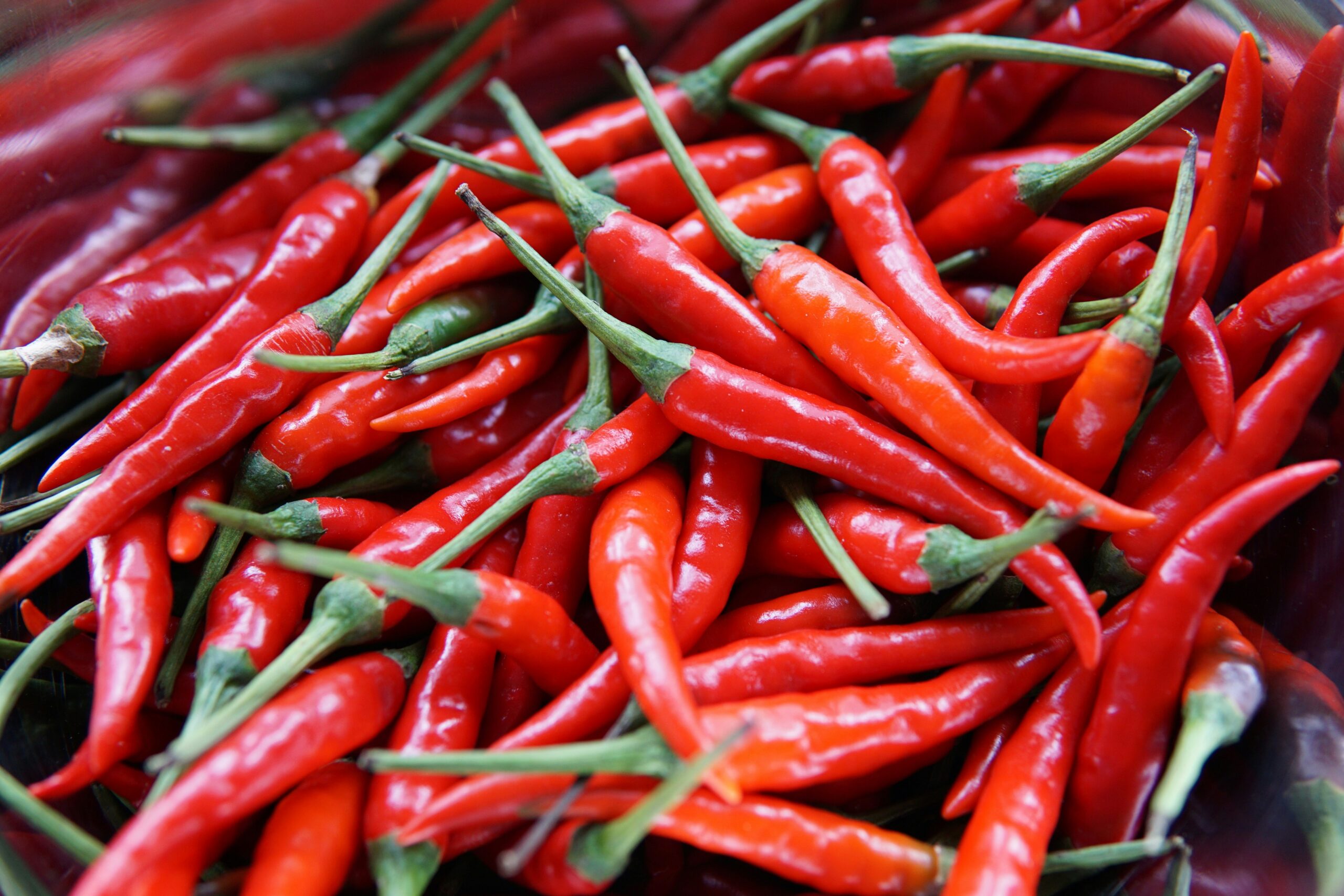
Cayenne pepper is a natural ‘hot’ spice belonging to the family Solanaceae. It is native to Central and South America (Mexico, Brazil, and French Guiana). It is currently cultivated in India, China, Thailand, Ethiopia, Uganda, South Africa, Mexico, Louisiana, California, and New Mexico.
The uses of cayenne pepper are:
- As a topical analgesia in arthritis, back pain and neuropathy
- Boosting fat oxidation and maintain metabolic function during weight loss
- Suppressing appetite
- Aiding to alleviate indigestion
- Protect stomach lining (stimulating mucus production and increasing gastric blood flow)
- Improves heart health via lowering bad cholesterols and inhibiting platelet aggregation, hence improve circulation
- Alleviate cluster headaches through intranasal application
Jump to section
Medical Uses and ethnopharmacological profile of Cayenne Pepper
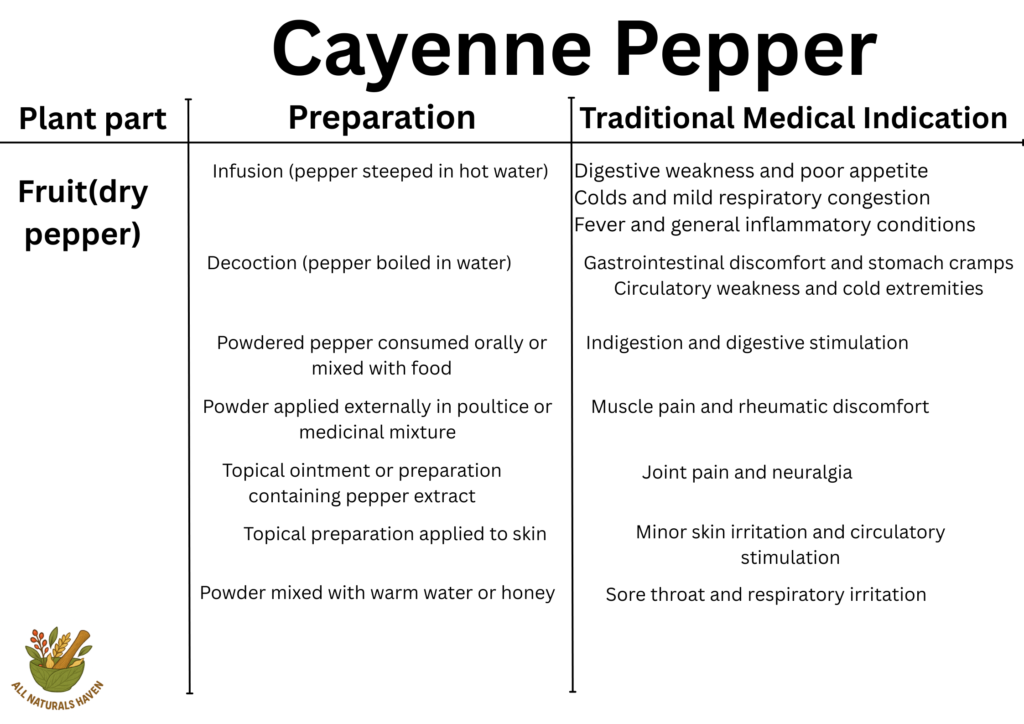
Traditional Uses
It was used as a digestive aid for bloating, flatulence, and disturbed stomach. In the respiratory tract, it was used in expelling excess mucus. It was also used to dispel toxins from the body and deal with lethargy. For pain, a poultice (cayenne, clay, and fat) was used to relieve tooth pain and joint pain. After shock, it was used to ‘restart’ the body. It was also reportedly used as a diaphoretic and vulnerary.
Clinical Uses and Research
Post-surgical patients: Topical patch (8%) application showed a decrease in postoperative pain that lasted roughly 3 months. Pure capsaicin acted by dampening pain nerves through selective nociceptor defunctionalization.
In musculoskeletal pain, topical cream/plaster (0.025-0.077%) 3-4 times daily exhibited a 50% reduction in pain for chronic neuropathic and musculoskeletal conditions. Capsaicin worked via depletion of substance P through exciting pain fibers and then exhausting them into depletion.
Overweight/obese adults: standardized capsaicinoid extract given 6 mg daily for 12 weeks elicited a decrease in abdominal fat and an increase in fat oxidation. This was via activation of the TRPV1 receptor in the gut and stimulation of the sympathetic nervous system. ( Ludy 2012)
In a meta-analysis using powdered capsules, 2-6 mg daily for 12 weeks decreased body weight and BMI scores. Dihydrocapsaicin was believed to increase resting metabolic rate and energy expenditure through a thermogenic process.
Controlling appetite: In healthy volunteers, capsules of 6 mg single oral doses showed appetite suppression and a 15-minute delay in stomach emptying, thus giving a feeling of ‘fullness.’ The compound capsaicin was believed to delay gastric emptying via modulation of satiety hormones (PYY and GLP-1).
Dyslipidemia: A capsaicinoid capsule given 4 mg daily for 12 weeks exhibited reduced levels of oxidized low-density lipoproteins and enhanced endothelial function. This was via inhibition of lipid peroxidation and modulation of bile acid metabolism.
In Vivo uses and Research
Gastroprotection: In a rat model, a fresh fruit low-dose infusion of 100-500 mg/kg intragastric administration protected against NSAID/alcohol-induced ulcers and inhibited gastric acid output. This was achieved by a hyperemic response via stimulation of calcitonin gene-related peptide and increased mucosal blood flow. (lianchai 1979),
Neuroprotection: In gerbil/rat brains, purified alkaloid injection (0.01-0.6 mg/kg) administration post-ischemia protected hippocampal neurons from death after stroke and enhanced memory and motor coordination post-injury. This was through NMDA downregulation and inhibition of calcium over-excitatory influx and reduction in brain peroxidation.
Liver fibrosis: In a mouse model, dietary capsaicin extract (0.01%) for three days attenuated liver damage and decreased activation of myofibroblasts. This was via macrophage polarization and reversing a pro-inflammatory macrophage to an anti-inflammatory agent.
In Vitro Uses and Research
Anti-angiogenesis: In chick embryo cells, purified alkaloids reduced new blood vessel formation, causing G1 cell cycle arrest in endothelial cells. This was achieved via signaling blockade, preventing new blood vessels from feeding the tumors. (Ki min 2004)
Antimicrobial: Soluble methanol/ethanol extract inhibited H. pylori and streptococci, with witnessed synergism with metronidazole to break through bacterial films. This was via inhibition of efflux pumps, preventing it from pumping out antibiotics.
Safety and Dosing profile of Cayenne Pepper
Forms and Dosing
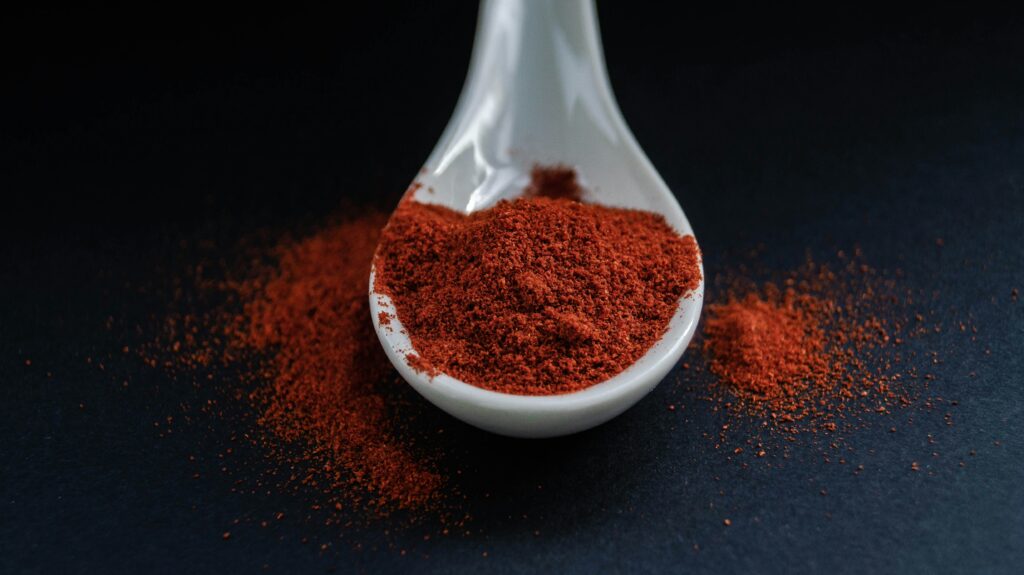
Ground powder– 1-3 grams
Fresh pepper (whole and crushed)
Cayenne infused oils
Standardized capsules– 400-600mg
Tincture – 0.3- 1 ml thrice
Topical creams
Infusions/teas
- Pain releif- 0.025-0.075% capsaicin applied up to 4 times a day
- Digestion and dyspepsia- 0.5- 1 gram a day
- weight management and appetite control- 2-10 mg with meals
- Cardiovascular support- 4- 10 mg a day

Note: The maximum one can take is 9 mg; many people can safely take a 2-4 mg daily intake of raw root powder. For capsaicin extract, the range is between 1350 and 4000mg maximum, though a 1500 mg daily dose is recommended.
Interactions
- Blood thinners- may increase risk of bleeding
- Antihypertensives (ACE inhibitors)- may worsen dry cough
- Diabetes medication- may lead to hypoglycemia
- Antacids- may lead to irritation
- Theophylline- may lead to increased absorption and levels
- MAOIs- may increase blood pressure
- Iron- decreased absorption
- Vitamin C- increased absorption
Side effects
- Stomach upset and a burning sensation
- Acid reflux
- Diarrhea
- Rhinorrhea
- Sneezing and coughing
- Contact dermatitis
- Sweating
- In overdose, flushing, dizziness and liver/kidney irritation
Contraindications
- Hemorrhoids and Anal fissure
- Chronic kidney and Liver disease
- Bleeding disorders
- Pregnancy and breastfeeding (pass into breast milk)
- Known allergy to the Solanaceae family or latex fruit syndrome
- Children under 2 years
- Before surgery
Cayenne Description and Composition
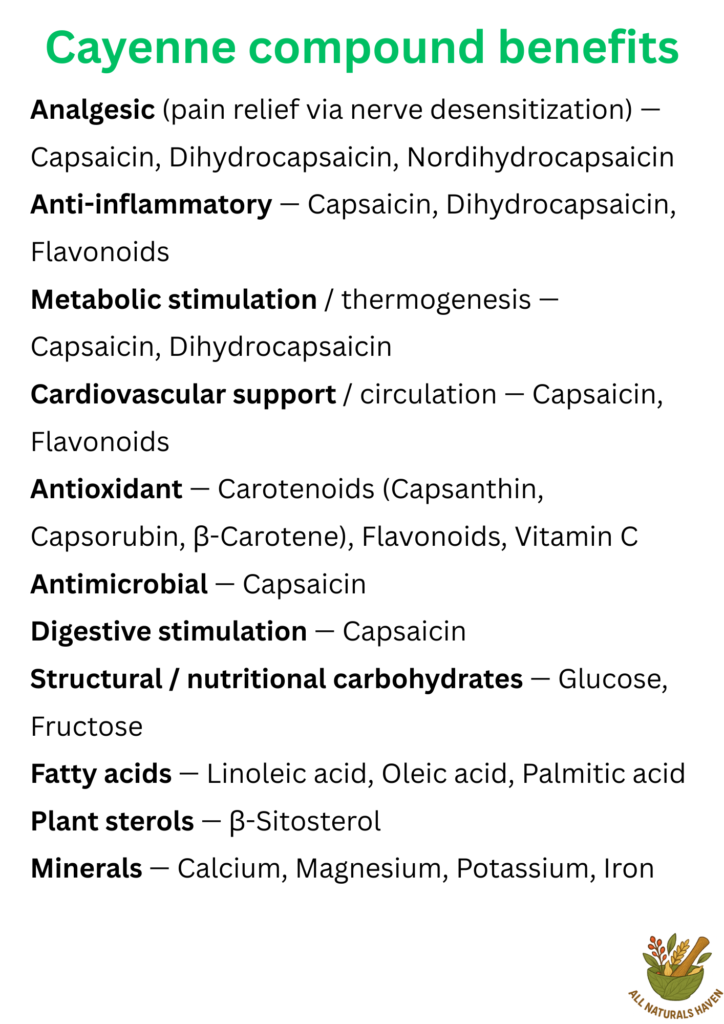
Compounds found in cayenne pepper include capsaicinoid alkaloids (capsaicin), carotenoids (capsanthin, capsorubin), flavonoids (luteolin, quercetin), essential volatile oils (pyrazine esters, terpenes), phenolics (ferulic acid/sinapic acid), minerals (magnesium, potassium, and iron), and vitamins (A, C, and B6).
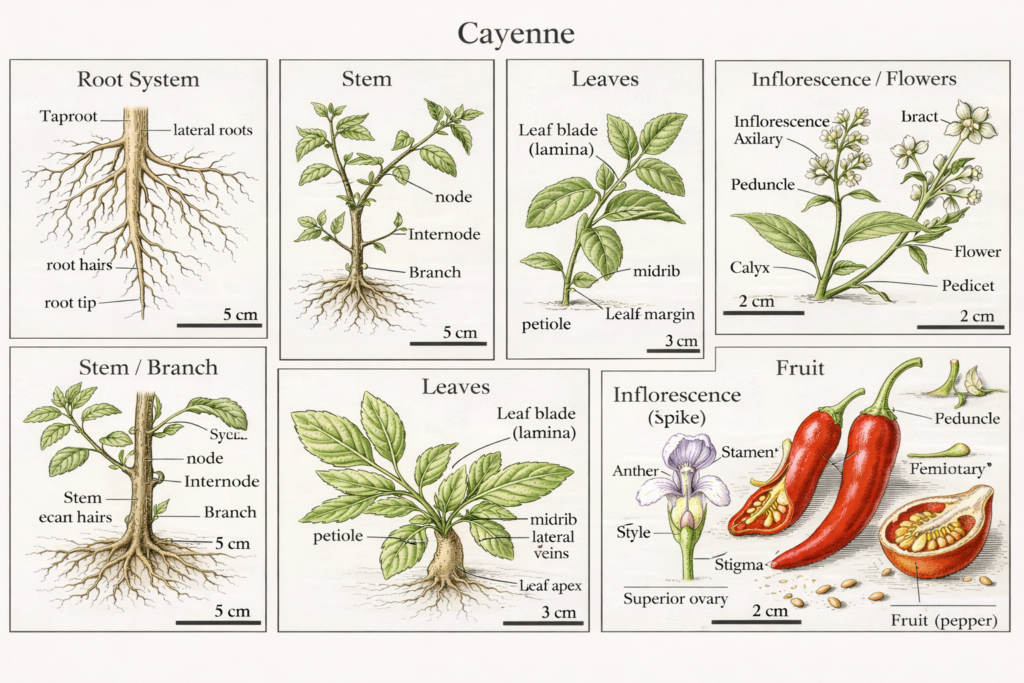
The plant has a shallow taproot system with a bushy canopy-like stem that is woody and grayish when mature. The leaves are green and ovate-lanceolate with smooth and glossy margins. The flowers, which are solitary, are small and star-shaped, with a cream-white or pale green appearance. It is a hermaphrodite and may occasionally appear purple. The fruits (peppers) are rod-shaped, slightly curved, thin, and waxy. The inside is white and spongy with small, kidney-shaped, and straw-colored seeds.
Cayenne Cultivation
The planting is done 8-10 weeks before the last frost. Cayenne needs consistent warmth for growth and 6-8 hours of sunlight. The soil should be well drained. The part of the plant harvested is the pods. They are ready when they turn a brilliant waxy red and are about 10-15 centimeters long. Use garden shears or scissors to simply snip the stem about 1 centimeter above the fruit. Do this every few days once ripening begins.
Thread a needle through their stem and hang them to air dry. Once dry, preserve it in an amber glass container, and it can last up to 2 years. If pickled, it can last slightly more than a year. Flash freezing on a tray and then bagging and continuing to freeze may last up to 12 months. Refrigerating in paper bags lasts up to 2 weeks.
REFERENCES
Derry S, Rice AS, Cole P, Tan T, Moore RA. Topical capsaicin (high concentration) for chronic neuropathic pain in adults. Cochrane Database Syst Rev. 2017 Jan 13;1(1):CD007393. doi: 10.1002/14651858.CD007393.pub4. PMID: 28085183; PMCID: PMC6464756.
Anand P, Bley K.Topical capsaicin for pain management: therapeutic potential and mechanisms of action of the new high-concentration capsaicin 8% patchBritish Journal of Anaesthesia, 107, 490-502
Zheng J, Zheng S, Feng Q, Zhang Q, Xiao X. Dietary capsaicin and its anti-obesity potency: from mechanism to clinical implications. Biosci Rep. 2017 May 11;37(3):BSR20170286. doi: 10.1042/BSR20170286. PMID: 28424369; PMCID: PMC5426284.
Janssens, Pilou & Hursel, Rick & Westerterp-Plantenga, Margriet. (2014). Capsaicin increases sensation of fullness in energy balance, and decreases desire to eat after dinner in negative energy balance. Appetite. 77. 10.1016/j.appet.2014.02.018.
Qin, Y., Ran, L., Wang, J., Yu, L., Lang, H.-D., Wang, X.-L., Mi, M.-T., & Zhu, J.-D. (2017). Capsaicin Supplementation Improved Risk Factors of Coronary Heart Disease in Individuals with Low HDL-C Levels. Nutrients, 9(9), 1037. https://doi.org/10.3390/nu9091037
Pegorini S, Braida D, Verzoni C, Guerini-Rocco C, Consalez GG, Croci L, Sala M. Capsaicin exhibits neuroprotective effects in a model of transient global cerebral ischemia in Mongolian gerbils. Br J Pharmacol. 2005 Mar;144(5):727-35. doi: 10.1038/sj.bjp.0706115. PMID: 15678080; PMCID: PMC1576053.
Bitencourt S, Stradiot L, Verhulst S, Thoen L, Mannaerts I, van Grunsven LA. Inhibitory effect of dietary capsaicin on liver fibrosis in mice. Mol Nutr Food Res. 2015 Jun;59(6):1107-16. doi: 10.1002/mnfr.201400649. Epub 2015 Apr 29. PMID: 25755097.
Isra Tayseer, Talal Aburjai, Luay Abu-Qatouseh, Nehaya AL-Karabieh, Wesam Ahmed and Ali Al-Samydai, In vitro Anti-Helicobacter pylori Activity of Capsaicin, J. Pure Appl. Microbiol., 2020; 14(1): 279-286. https://doi.org/10.22207/JPAM.14.1.29
Leave a Reply