
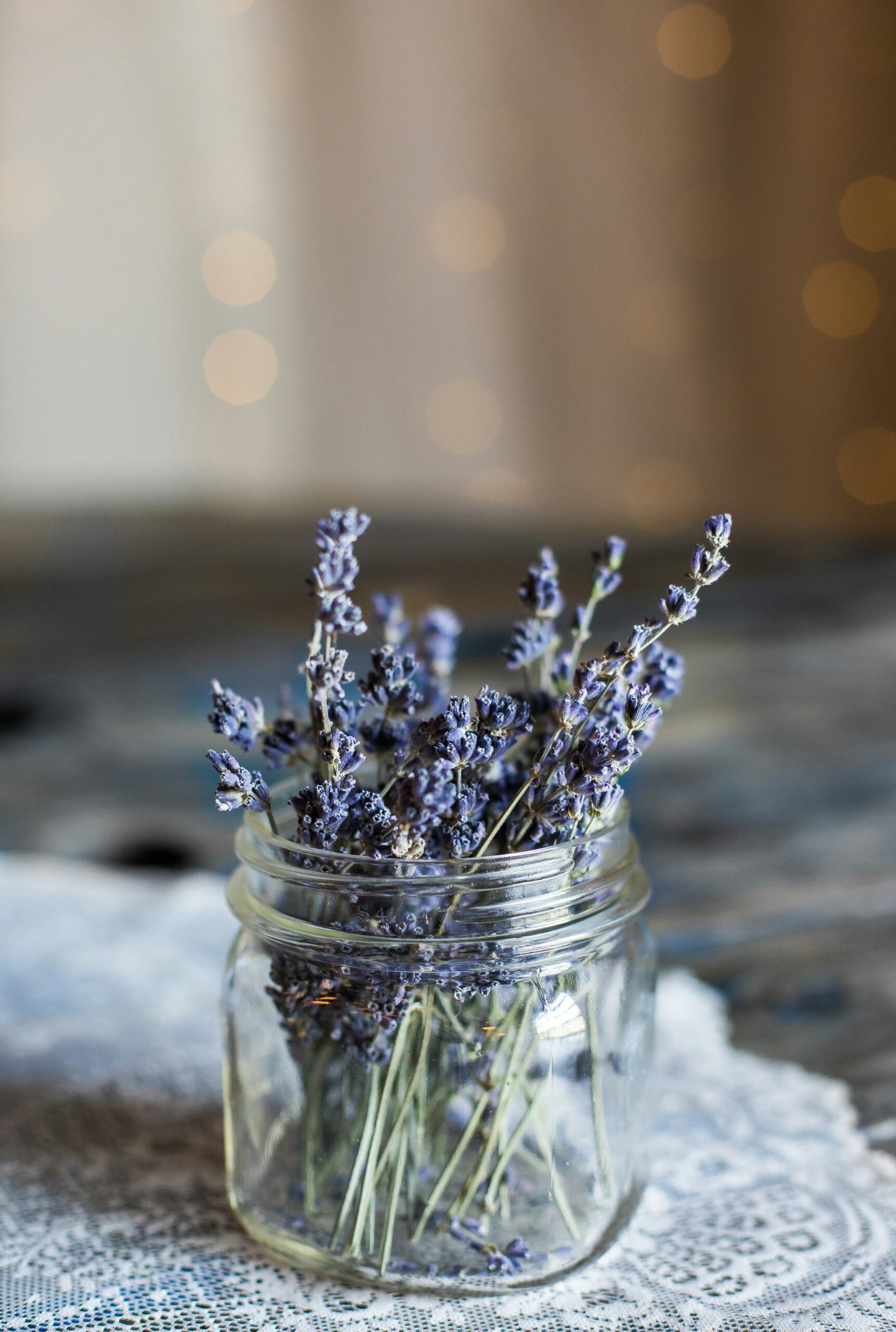
Lavender, also commonly referred to as spike/true/English, Spanish, or French lavender, belongs to the family Lamiaceae. It is native to the Mediterranean coast, parts of North and East Africa, Southern Europe, Southwest Asia, and Southeast India. It is currently cultivated in South Africa, Bulgaria, France, China, Australia, the Pacific Northwest, and California.
Lavender uses are as follows:
- In anxiety disorders to reduce symptoms
- Improve healing rate of mouth ulcers
- Improve sleep quality
- In encouraging hair growth in alopecia
- Reduce fatigue
- Reducing worry and restlessness, thus improving well-being
- To help in alleviating pain in menstruation and post-surgery
Jump to section
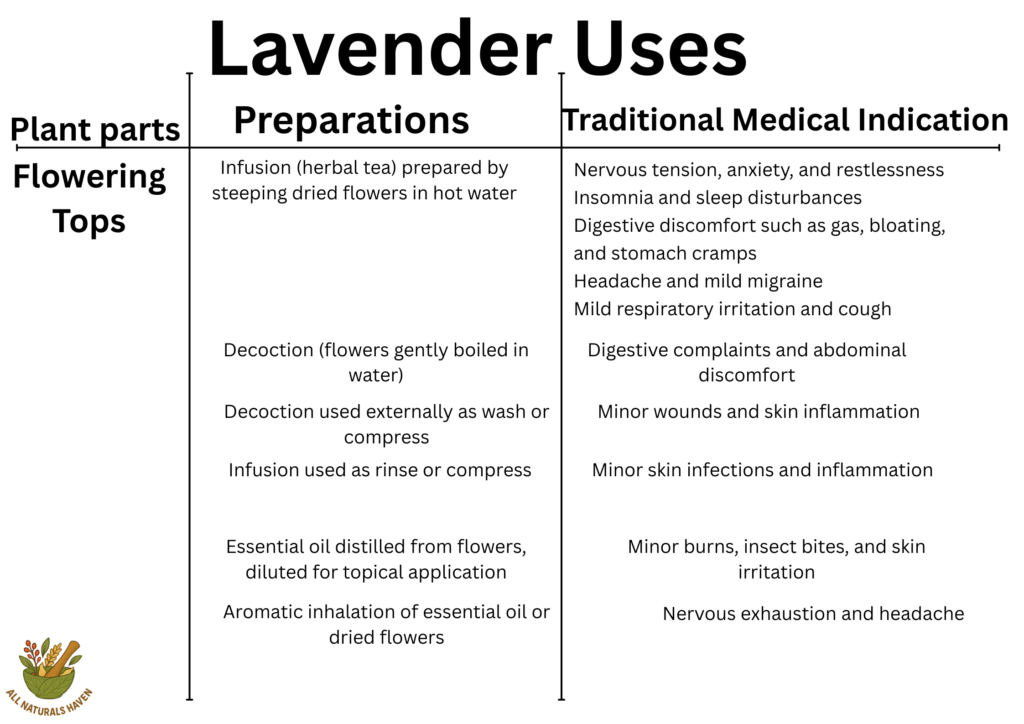
Medical Uses and ethnopharmacological profile of lavender
Traditional Uses
It was used as a digestive aid in gas and bloating and as a comforting remedy in melancholy and fainting spells, and it was applied as oil on wounds to prevent gangrene and infections. In Roman baths it was believed to purify the body and spirit.
Clinical Uses and Research
General anxiety: Flower Silexan standardized oral extract, when administered to anxious patients at either 80 or 160 mg daily for 6-10 weeks, elicited a decrease in anxiety scores (HAMA) concluded to be non-inferior to drugs like lorazepam 0.5 mg and paroxetine. Linalool and linalyl acetate were identified to have serotonin receptor modulation and antagonism of calcium channel activity. (Woelk 2010)
Respiratory conditions: Latifolia flower and leaf essential oil as a rub or steam (2-5 drops) exhibited improved airway clearance and relief of localized musculoskeletal tension. This was via 1,8-cineole and camphor, which thin mucus and increase blood flow to respiratory cells.
Postpartum depression: The floral essential oil used as 3 drops on a cotton ball for 10 minutes nightly up to six months showed a decrease in depression and anxiety scores. It also improved the quality of sleep. Linalool acted by olfactory stimulation, leading to limbic system modulation in the amygdala/hippocampus.
Insomnia: A flower essential oil patch (2.2%) or inhalation applied to the chest or pillow nightly exhibited an increase in sleep hygiene and a reduction in PSQI scores while increasing the feeling of freshness upon waking up. Linalool was identified to act via indirect modulation of GABA receptors and enhanced parasympathetic nervous system activation.
Postherpetic pain: Flower essential oil inhalation (2% concentration) for 15 minutes decreased subjective pain intensity and episodes. Linalyl acetate was identified to act via an antinociceptive effect and inhibition of anti-inflammatory cytokines.
Neurasthenic adults: Flower Silexan oral extract given at 80 mg daily for 6 weeks elicited a decrease in agitation and restlessness as well as a reduction in disturbed sleep. This was through inhibiting glutamate binding in NMDA receptors, thus providing neuroprotection. Linalool was the compound of interest.
In Vivo Uses and Research
Alzheimer’s: In Wistar rats, flower aqueous extract administered at a dose of 100/200 mg/kg for 20 days alleviated memory impairment and cleared beta amyloid-induced oxidative stress in the brain tissue. Phenolics inhibited the acetylcholinesterase enzyme and protected synaptic plasticity.
Spasmolytic: In guinea pigs, topical application of flower essential oil ex vivo reduced the number and intensity of intestinal colic and spasms. Linalool exhibited cAMP-mediated smooth muscle relaxation and acetylcholine release blockade.
Analgesia/anti-inflammation: In Wistar rats, flower essential oils at 0.6 mg/kg body weight orally had analgesic activity comparable to tramadol. Linalyl acetate acted via inhibition of NF-kB and pro-inflammatory cytokines, thereby reducing pain and associated redness and swelling. (Silva 2015)
In Vivo Uses and Research
Wound healing: In human fibroblasts, essential oil accelerated cell migration and collagen synthesis, thus validating a wound-healing property. This was via cytokine modulation induced by linalyl acetate.
Antibacterial: In S. aureus and E. coli lab experiments, essential oil laden with 1,8-cineole and camphor disrupted the lipid membrane bilayer, leading to bacterial death.
Anti-tumor: In human breast cancer lines, methanol extracts rich in luteolin and apigenin reduced metastasis via a weak phytoestrogen-binding mechanism. Depending on the concentration, it acted as both an estrogen and an antiestrogen. (Mojodi 2015)
Safety and Dosing profile of Lavender
Forms and Dosing
Capsules and tablets– 80-160 mg
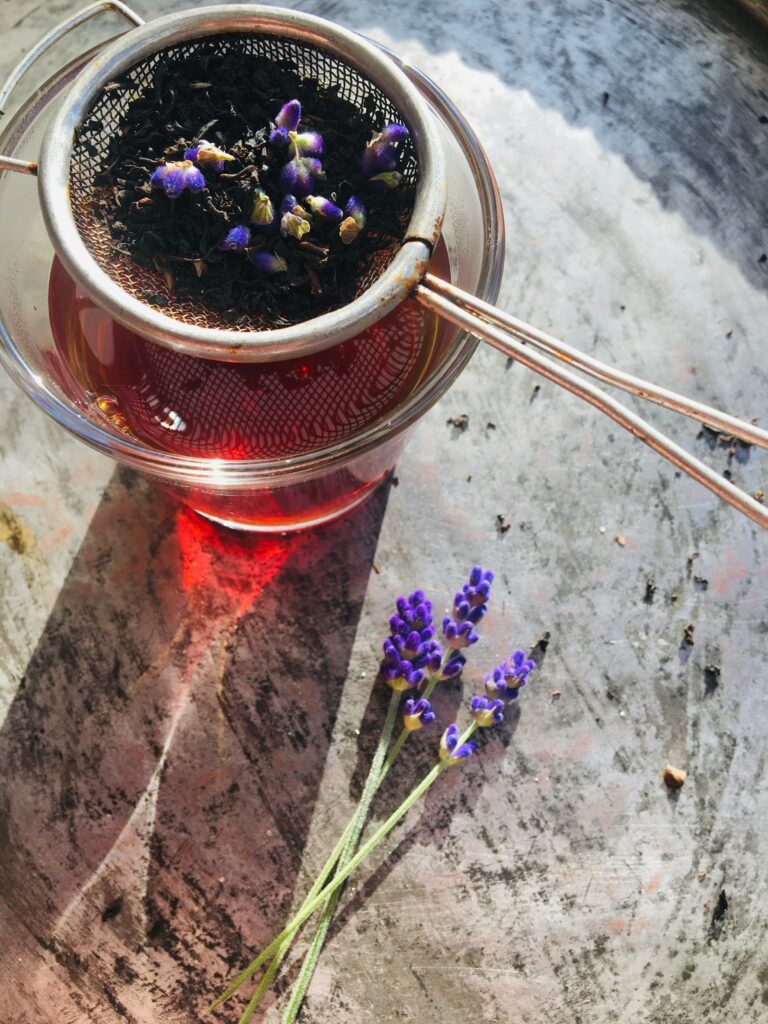
Infusion/teas– 1-3 cups
Tincture (1:4)– 1-2ml up to thrice
Oils– 1-5 drops
Baths
Powders- 1-2 grams
Culinary buds
- Generalized anxiety- 80 mg once daily (can be increased to 160 mg)
- Sleep disorders- 80 mg a day or 2-3 essential oil drops in diffuser at bedtime
- Support in mild depression- 80-160 mg a day
- Postoperative anxiety/stress- 2-4 drops oil in diffuser or mask
/product/73/1587403/1.jpg?4118)
Note: Lavender can be tolerated up to 160 mg daily.
Interactions
- Sedatives- may lead to excessive drowsiness
- Antihypertensives- may lead to hypotension
- Blood thinners- may increase risk of bruising
- Statins, antiseizure medication and some birth control
Side effects
- Cramps and constipation
- Increase in appetite
- Headache and drowsiness
- Contact dermatitis
- Photosensitivity
- Possible Hormonal disruption (debated gynecomastia in pre-puberty)
- Paradoxical stimulation
Contraindications
- 2 weeks to surgery
- Children below 12 or before puberty
- Known allergy to the Lamiaceae family
- Asthma and chronic respiratory conditions
- Pregnancy and breastfeeding (may act as an emmenagogue)
Lavender Description and Composition
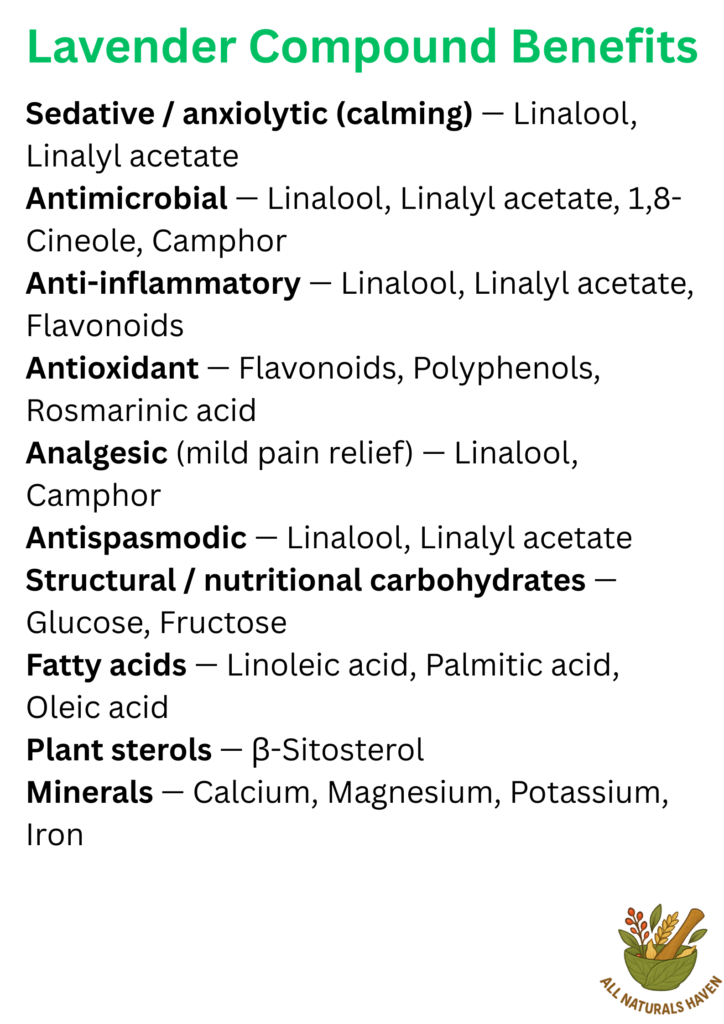
The compounds found in lavender are terpenes (linalool, linalyl acetate, and beta-caryophyllene), oxides (eucalyptol), ketones (camphor), polyphenols and phenolic acids (rosmarinic acids), flavonoids (vitexin and luteolin), tannins, coumarins, anthocyanins, and saponins.
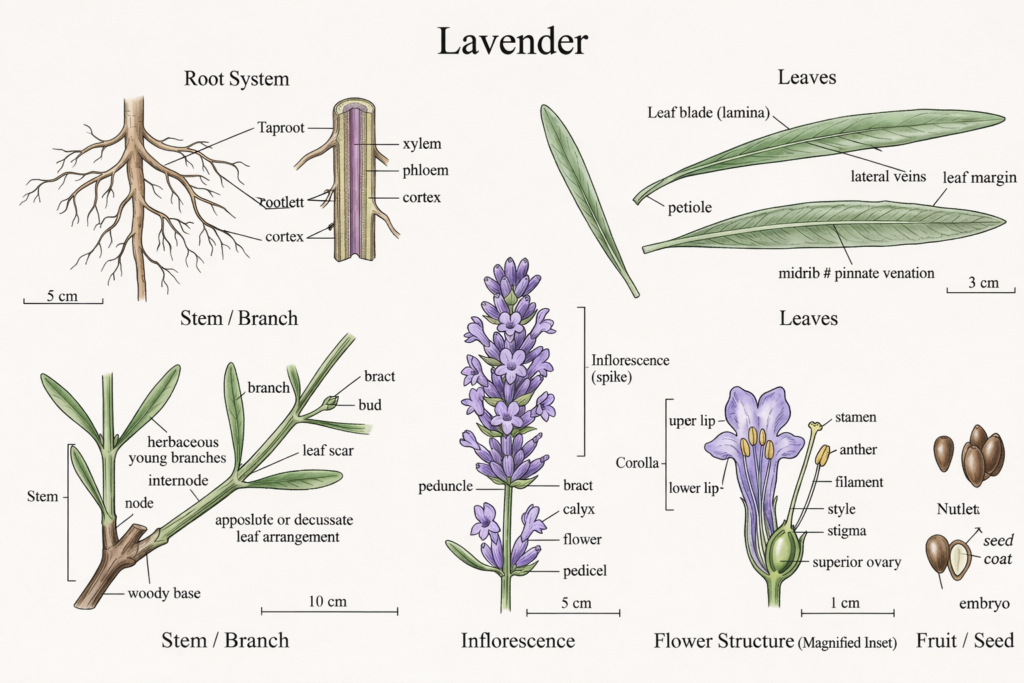
The plant has deep fibrous roots with a thick woody stem and grayish shedding bark. The flowering upper stems are green and fuzzy with a square shape. Its leaves are linear and lanceolate with a silver-green or gray-green color. For the latifolia species, the leaves are broader and more spatula-shaped. Its flowers are two-lipped and vary from deep royal purple, lavender, blue, pale pink, and creamy white.
Lavender Cultivation
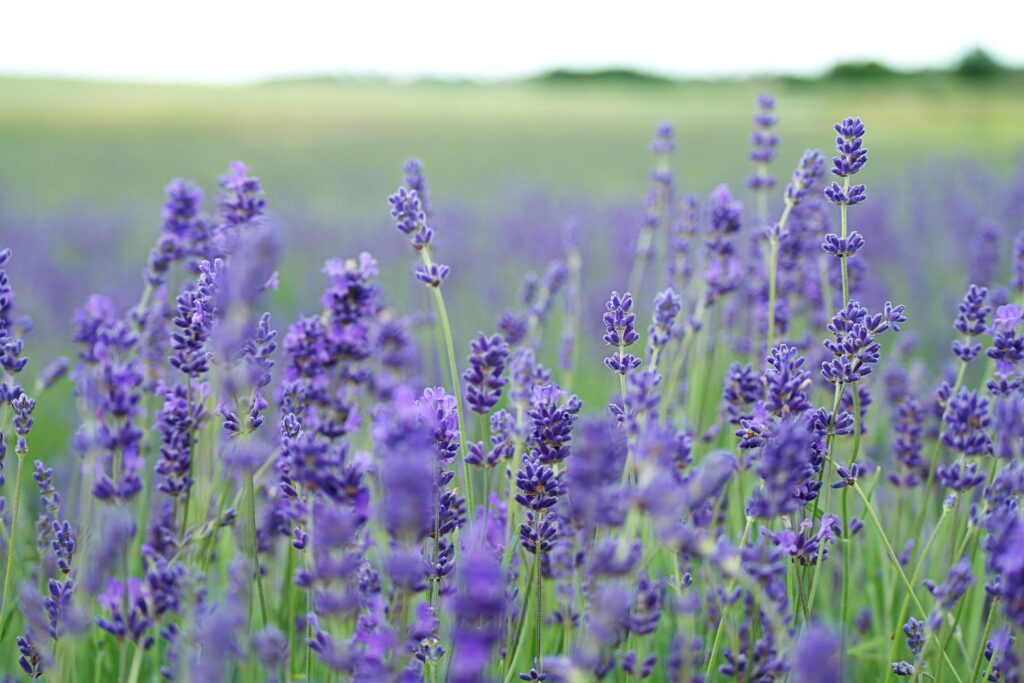
The plant is propagated from seeds. It is planted in the spring or early fall and requires 6-8 hours of sunlight for growth. It thrives in well-draining alkaline soils and needs to be watered deeply but infrequently. Depending on what is needed, the best time to harvest is when the first one or two flowers at the base have just opened. If in need of essential oils, wait until at least 50% of the flower buds are open.
To harvest, just cut the long stem that is green and flexible. Dry them in bundles hanging upside down in a cool, dry, and dark place for 2-4 weeks. Rub the dried spikes into a bowl to get the buds. Storage is in airtight glass jars and can last up to 12 months.
REFERENCES
Horváth G, Ács K. Essential oils in the treatment of respiratory tract diseases highlighting their role in bacterial infections and their anti-inflammatory action: a review. Flavour Fragr J. 2015 Sep;30(5):331-341. doi: 10.1002/ffj.3252. Epub 2015 May 26. PMID: 32313366; PMCID: PMC7163989.
Conrad, P. and Adams, C. (2012) The Effects of Clinical Aromatherapy for Anxiety and Depression in the High Risk Postpartum Woman—A Pilot Study. Complementary Therapies in Clinical Practice, 18, 164-168.
https://doi.org/10.1016/j.ctcp.2012.05.002
Jokar M, Delam H, Bakhtiari S …The Effects of Inhalation Lavender Aromatherapy on Postmenopausal Women’s Depression and Anxiety: A Randomized Clinical TrialThe Journal for Nurse Practitioners, 2020; 16, 617-62
Hirokawa K, Nishimoto T, Taniguchi T. Effects of lavender aroma on sleep quality in healthy Japanese students. Percept Mot Skills. 2012 Feb;114(1):111-22. doi: 10.2466/13.15.PMS.114.1.111-122. PMID: 22582680.
You, Jiyeong & Shin, You Kyoung & Seol, Geun. (2024). Alleviating effect of lavender (Lavandula angustifolia) and its major components on postherpetic pain: a randomized blinded controlled trial. BMC Complementary Medicine and Therapies. 24. 10.1186/s12906-024-04362-z.
Koulivand, Peir Hossein, Khaleghi Ghadiri, Maryam, Gorji, Ali, Lavender and the Nervous System, Evidence-Based Complementary and Alternative Medicine, 2013, 681304, 10 pages, 2013. https://doi.org/10.1155/2013/681304
Kashani MS, Tavirani MR, Talaei SA, Salami M. Aqueous extract of lavender (Lavandula angustifolia) improves the spatial performance of a rat model of Alzheimer’s disease. Neurosci Bull. 2011 Apr;27(2):99-106. doi: 10.1007/s12264-011-1149-7. PMID: 21441971; PMCID: PMC5560344.
Lis-Balchin, M. and Hart, S. (1999), Studies on the mode of action of the essential oil of LavenderLavandula angustifolia P. Miller). Phytother. Res., 13: 540-542. https://doi.org/10.1002/(SICI)1099-1573(199909)13:6<540::AID-PTR523>3.0.CO;2-I
Mori HM, Kawanami H, Kawahata H, Aoki M. Wound healing potential of lavender oil by acceleration of granulation and wound contraction through induction of TGF-β in a rat model. BMC Complement Altern Med. 2016 May 26;16:144. doi: 10.1186/s12906-016-1128-7. PMID: 27229681; PMCID: PMC4880962.
Stamova, S.; Ermenlieva, N.; Tsankova, G.; Georgieva, E. Antimicrobial Activity of Lavender Essential Oil from Lavandula angustifolia Mill.: In Vitro and In Silico Evaluation. Antibiotics 2025, 14, 656. https://doi.org/10.3390/antibiotics14070656
Younas M, Hano C, Giglioli-Guivarc’h N, Abbasi BH. Mechanistic evaluation of phytochemicals in breast cancer remedy: current understanding and future perspectives. RSC Adv. 2018 Aug 22;8(52):29714-29744. doi: 10.1039/c8ra04879g. PMID: 35547279; PMCID: PMC9085387.
Leave a Reply