
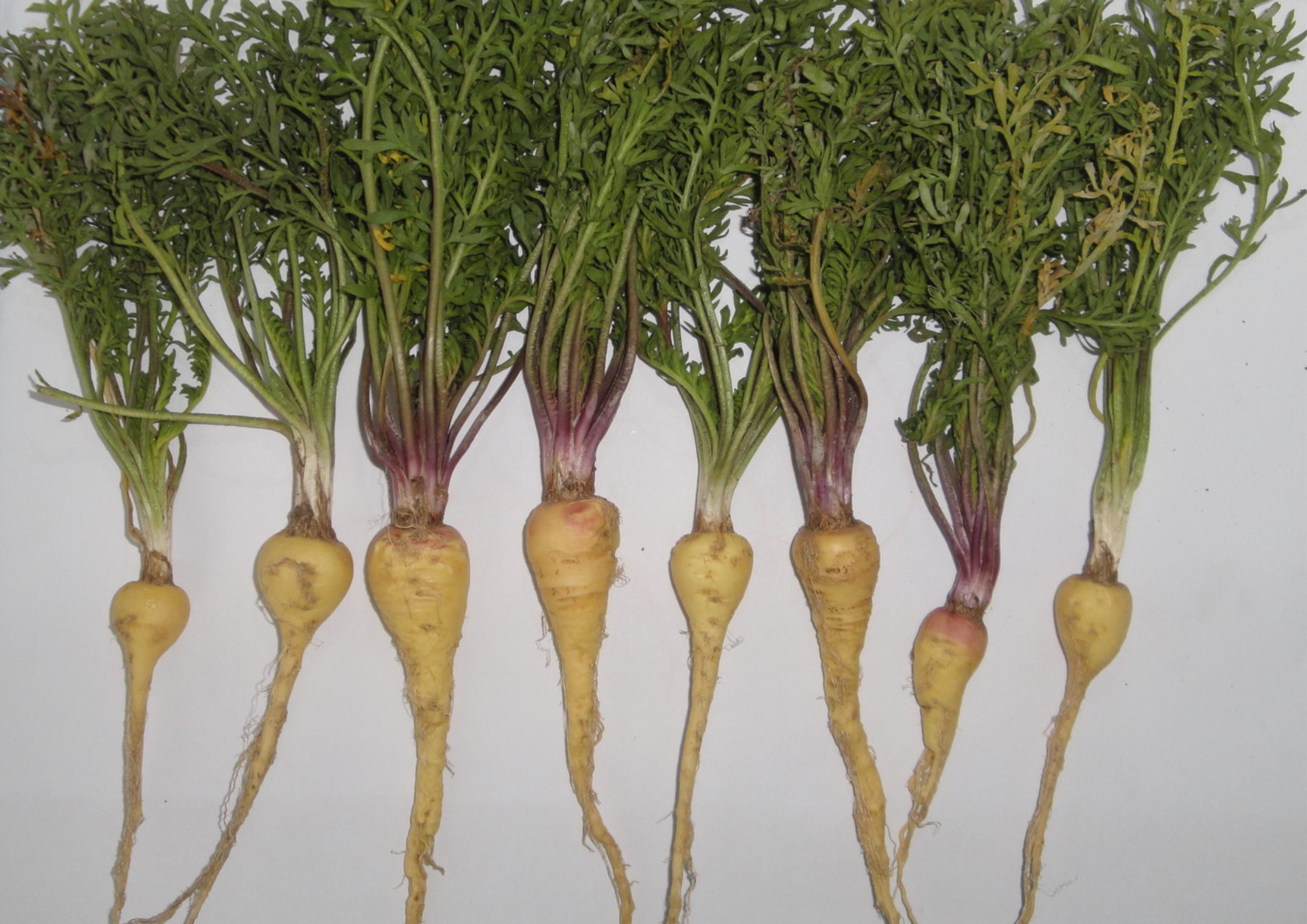
Maca, also called Peruvian ginseng, maino, ayak, chichira, and ayak willks, is an herb belonging to the family Brassicaceae. It is native to Peru under intense sun, violent wind, thin soil, and a freezing climate. It is currently cultivated in China (Yunnan as experimental cultivation) and Peru (Sanín and Pasco). The plant part used is the hypocotyl.
Maca uses are as follows:
- Boosting mood and energy levels
- Reducing chronic mountain sickness
- Lowering fasting blood sugar levels
- Increase in libido
- Increasing sperm quality and fertility
- Improving menopausal symptoms
Jump to section
Medical Uses and ethnopharmacological profile of Maca
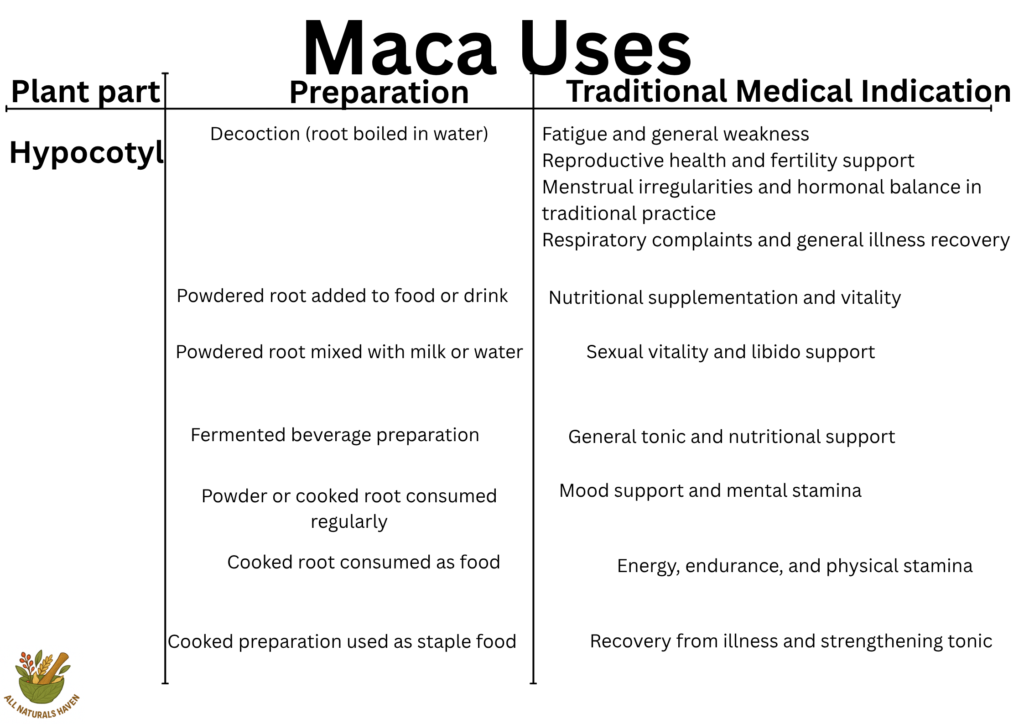
Traditional Uses
It was used to improve physical strength and stamina. It was also used to manage cold reproductive parts (low libido) and to boost fertility. In mountain sickness it improved shortness of breath and fatigue. It was also used in anemic conditions.
Clinical Uses and Research
Improved mood: Aqueous extract given at a dose of 3.5 grams for 6 weeks reduced anxiety scores independent of hormonal levels. Alkaloids and flavonoids modulated the HPA axis and reduced cortisol-mediated stress response. (Afshar 2019)
Male sexual desire: Gelatinized powder given at 1.5 or 3 grams daily over 12 weeks increased sexual desire after 8 weeks with no alteration in testosterone or estradiol levels [LA1]. Macamides and macaenes acted via modulation of the endocannabinoid system through inhibition of FAAH.
Improve bone density: In early menopausal women, gelatinized extract taken in 2 grams daily increased bone markers and blood calcium and iron levels with a reduction in symptoms like hot flashes. Glucosinolates and calcified minerals balanced the FSH/LH levels and increased mineral deposition.
Fertility (spermatogenesis): Milled tablets given at 1.5- or 3-gram dosing over a period of 4 months increased seminal volume, sperm count, and sperm motility. Benzy glucosinolate stimulated the HPTAG axis at lower testicular levels.
Physical performance: Maca extract at a dose of 2 grams for 14 days showed physical endurance in 40 km time trial performance. Macamies/macaenes improved mitochondrial efficiency and lactate clearance.
Postmenopausal health: Powdered extract given at 3.5 grams for 6 weeks reduced anxiety and depression and decreased sexual dysfunction independent of estrogen. Flavonoids and sterols acted via HPA axis regulation.
In Vivo Uses and Research
Neuroprotection: In a mouse model with ischemic injury, methanolic extract at a pretreatment dose of 100-1000 mg/kg decreased brain infarct volume, had an anticonvulsant effect, and increased survival probability after stroke. Benzyl and octadecadienamides inhibited FAAH, preventing breakdown of the endocannabinoid anandamide.
Endurance/Fatigue: In a swimming mice model, polysaccharide extract given at 500 mg/kg increased swim time and liver glycogen with decreased lactic acid accumulation. This was through the activation of the PI3K and AKT pathways and enhancement of glucose transporters.
Dermal protection: In UV-irradiated rats, topical application prevented skin erythema and protected against collagen degradation. Isothiocyanates enhanced antioxidant defenses like SOD in skin cells.
Antidiabetic: In diabetic rats given 4-6 grams of maca extract, a 22% increase in endogenous insulin levels and a 50% reduction in glycemia were elicited. Macaridine and phenolics upregulated insulin signaling and reduced MDA-TBARs. (Rodrigo 2011)
In Vitro Uses and Research
Anticancer: In human liver/colon cell lines, methanolic extract showed a significant growth inhibitory effect on tumor cells. This was through induction of phase 2 detoxification enzymes and cell cycle arrest as triggered by the compound benzyl isothiocyanate.
Antioxidant: In human red blood cells, lyophilized aqueous extract prevented peroxidation and maintained redox status under chemically induced stress. Phenolics and macaridine exhibited free radical scavenging and protection of cell membranes. (Revilla 2022), (Korkmaz 2017)
Safety and Dosing Profile of Maca
Forms and Dosing
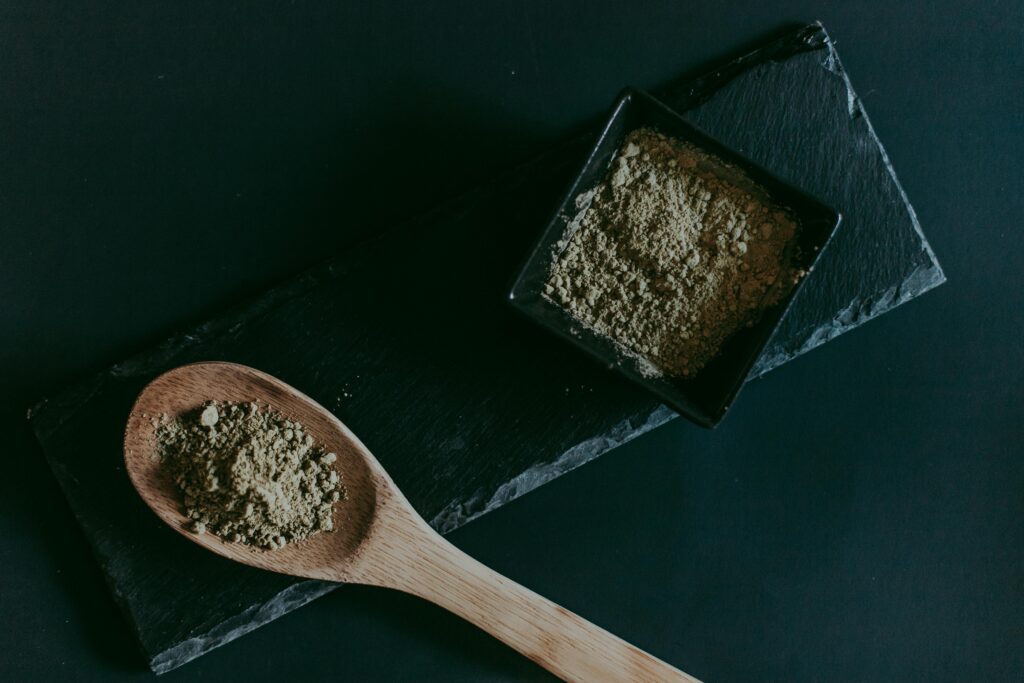
Raw powder– 1.5- 5 grams
Gelatinized powder– 1.5-5 grams
Capsules and tablets– 500- 3000 mg day
Infusions/teas– 1.5- 3.g grams in water up to thrice a day
Tinctures– (1:4)5-10 ml a day
Maca chips– 3- 6 grams a day
Yellow maca is used for vitality and stress, red maca for prostate health, bone density, and hormonal balance, and black maca is used for improving sperm quality, muscle recovery, and improved cognition.
- Libido and sexual dysfunction- 1.5 to 3 grams for libido and 2.4 grams for erectile dysfunction
- Menopause symtoms- 2,3 and up to 5 grams a day
- Male fertilty- 1.5 -3 grams a day
- Performance and fatigue- 2 grams a day
- General well-being- 3 gram a day
Note: The maximum per day for short-term use should be 5 grams.
Interactions
- Anticoagulants -(vitamin K) may reduce effectivenss of drugs.
- Antihypertensives- hypotension and risk of hyperkalemia
- PDE 5 inhibitors (sildenafil)—risk of elevated BP and headache
- Antidepressants (SSRIs, SNRIs)—synergy that may lead to hypertensive crisis
- Diabetes medication- may lead to hypoglycemia
Side effects
- Bloating and flatulence
- Cramp
- Restlessness
- Insomnia
- Headache and jitters
- Menstrual changes
- Skin flare-ups
- Breast tenderness
Contraindications
- Thyroid disorder—may worsen hypothyroidism
- Hormonal conditions
- Chronic kidney disease—risk of hyperkalemia
- Anxiety and insomnia- may increase jitters
- Bipolar-anecdotal trigger
- Pregnancy and breastfeeding
Maca Description and composition
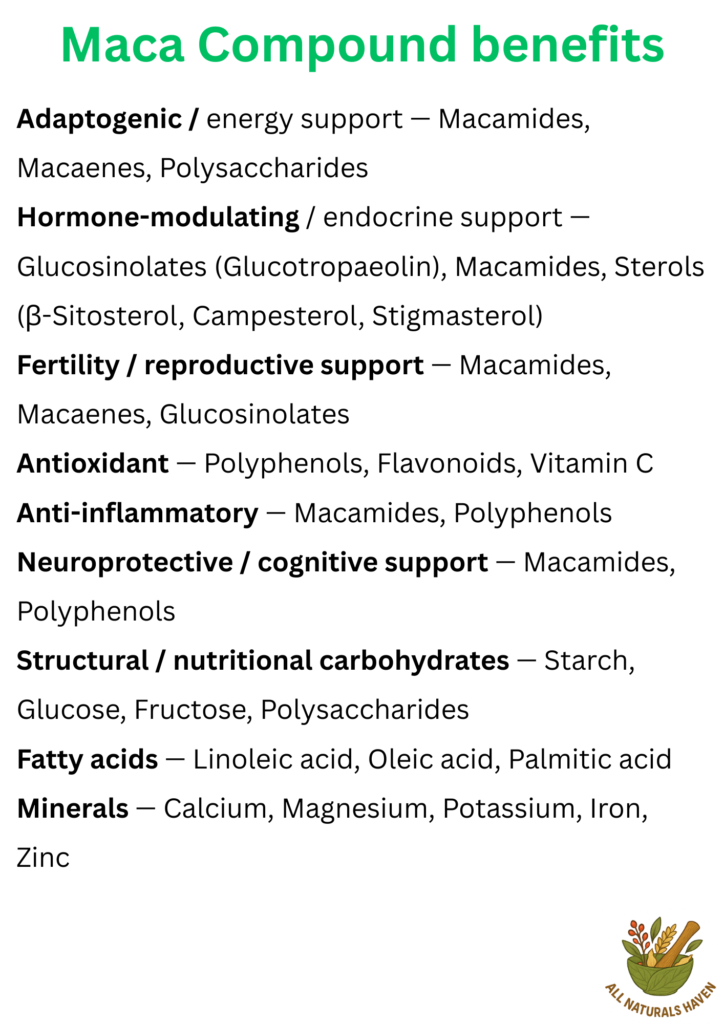
The compounds found in maca are macamides, macaenes, maca alkaloids (macaridine), glucosinolates (isothiocyanate), sterols and polyphenols (sitosterol, campesterol, and argosterol), fatty acids, amino acids, vitamins, and minerals (magnesium, copper, iron, potassium, calcium, and vitamins C, B2, and B6).
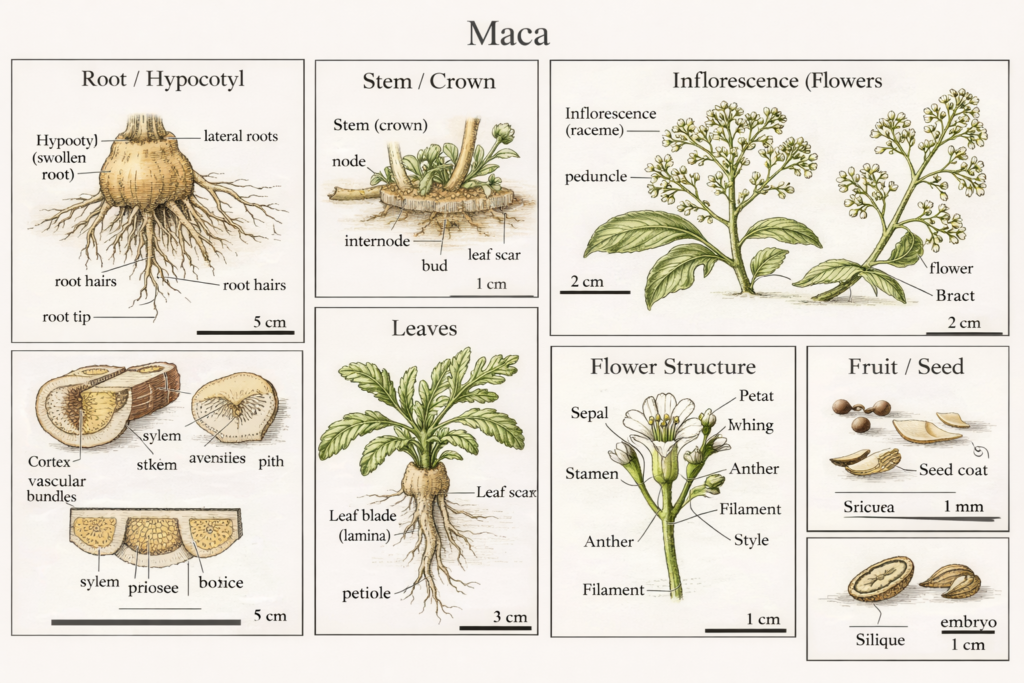
The hypocotyl is pear-shaped and tuberous, with a diameter of around 3-6 centimeters. It is the fleshy storage of the plant. The skin is black, yellow, or red depending on the variety and is smooth with horizontal scarring. The leaves form a foliage that is a flat rosette on the ground and are relatively small. The flowers are small, radially symmetrical, and have a white or off-white hue. The fruit are small and ovoid-shaped pods; each half contains a tiny seed.
Maca Cultivation
The plant is propagated via seeds, which can be broadcast by hand at least 4-6 inches apart. It thrives in full sun with temperatures between 5 and 12 degrees Celsius. The soil should be young and rich in minerals with a pH of 6-7.5. It grows through a cycle of 8-9 months. The yellow, red, and black roots are processed differently. It is ready for harvesting when the leaves turn yellow.
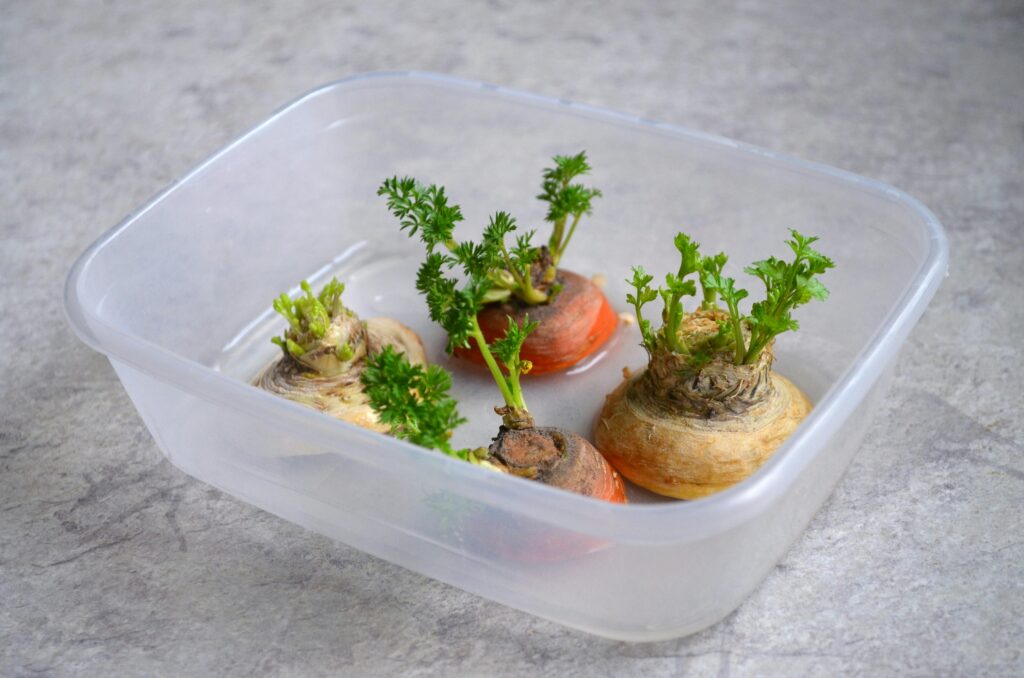
Harvesting is done by hand using small hoes called cashus. The harvest is then sun-dried for roughly 10-40 days until it attains a sweet and nutty flavor. Dried roots can be kept in a cool, dark, and well-ventilated place for 5 to 7 years. Milled produce is stored in containers and can last up to 18 months. Gelatinized produce can last up to 3 years.
REFERENCES
Gonzales GF, Córdova A, Vega K, Chung A, Villena A, Góñez C, Castillo S. Effect of Lepidium meyenii (MACA) on sexual desire and its absent relationship with serum testosterone levels in adult healthy men. Andrologia. 2002 Dec;34(6):367-72. doi: 10.1046/j.1439-0272.2002.00519.x. PMID: 12472620.
Meissner HO, Mscisz A, Reich-Bilinska H, Mrozikiewicz P, Bobkiewicz-Kozlowska T, Kedzia B, Lowicka A, Barchia I. Hormone-Balancing Effect of Pre-Gelatinized Organic Maca (Lepidium peruvianum Chacon): (III) Clinical responses of early-postmenopausal women to Maca in double blind, randomized, Placebo-controlled, crossover configuration, outpatient study. Int J Biomed Sci. 2006 Dec;2(4):375-94. PMID: 23675006; PMCID: PMC3614644.
Gonzales GF, Cordova A, Gonzales C, Chung A, Vega K, Villena A. Lepidium meyenii (Maca) improved semen parameters in adult men. Asian J Androl. 2001 Dec;3(4):301-3. PMID: 11753476.
Mark Stone et al. 2009. A pilot investigation into the effect of maca supplementation on physical activity and sexual desire in sportsmen,
Journal of Ethnopharmacology, Volume 126, Issue 3, 2009, Pages 574-576,
ISSN 0378-8741, https://doi.org/10.1016/j.jep.2009.09.012. (https://www.sciencedirect.com/science/article/pii/S0378874109005728)
Brooks NA, Wilcox G, Walker KZ, Ashton JF, Cox MB, Stojanovska L. Beneficial effects of Lepidium meyenii (Maca) on psychological symptoms and measures of sexual dysfunction in postmenopausal women are not related to estrogen or androgen content. Menopause. 2008 Nov-Dec;15(6):1157-62. doi: 10.1097/gme.0b013e3181732953. PMID: 18784609.
Khansari PS and Halliwell RF (2019) Mechanisms Underlying Neuroprotection by the NSAID Mefenamic Acid in an Experimental Model of Stroke. Front. Neurosci. 13:64. doi: 10.3389/fnins.2019.00064
Orhan, Cemal & Gencoglu, Hasan & Tuzcu, Mehmet & Sahin, Nurhan & Ojalvo, Sara Perez & Sylla, Sarah & Komorowski, James & Sahin, Kazim. (2022). Maca could improve endurance capacity possibly by increasing mitochondrial biogenesis pathways and antioxidant response in exercised rats. Journal of Food Biochemistry. 46. 10.1111/jfbc.14159.
Gonzales-Castañeda C, Gonzales GF. Hypocotyls of Lepidium meyenii (maca), a plant of the Peruvian highlands, prevent ultraviolet A-, B-, and C-induced skin damage in rats. Photodermatol Photoimmunol Photomed. 2008 Feb;24(1):24-31. doi: 10.1111/j.1600-0781.2008.00330.x. PMID: 18201354.
Loba-Pasternak, W., Aksoy, M. O., Stuper-Szablewska, K., Szwajkowska-Michalek, L., Kolodziejski, P., Szczerbal, I., & Nowacka-Woszuk, J. (2025). The Effects of Peruvian maca (Lepidium meyenii) Root Extract on In Vitro Cultured Porcine Fibroblasts and Adipocytes. Molecules, 30(4), 847. https://doi.org/10.3390/molecules30040847
Leave a Reply