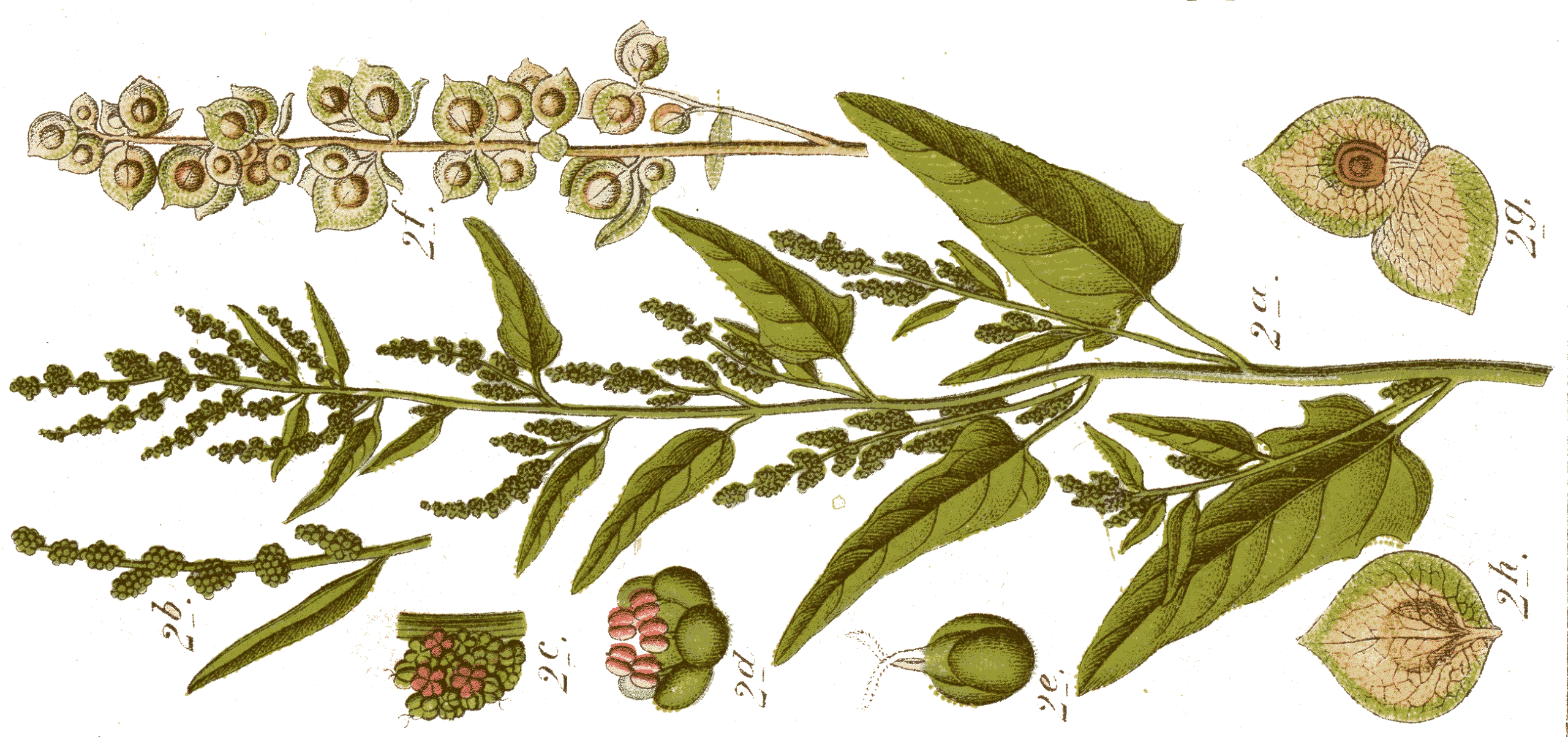
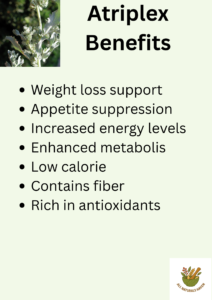
Commonly known as saltbush and orache, Atriplex is a plant genus that has been consumed as food by camels. It is rich in zinc, selenium, copper, phosphorous, phenolic acids, flavonoids, saponins, tannins, alkaloids, betalains, oxalates, sterols, and essential oils. Its uses are outlined in the image below.
Jump to: Health uses and ethnopharmacological profile
Atriplex Description
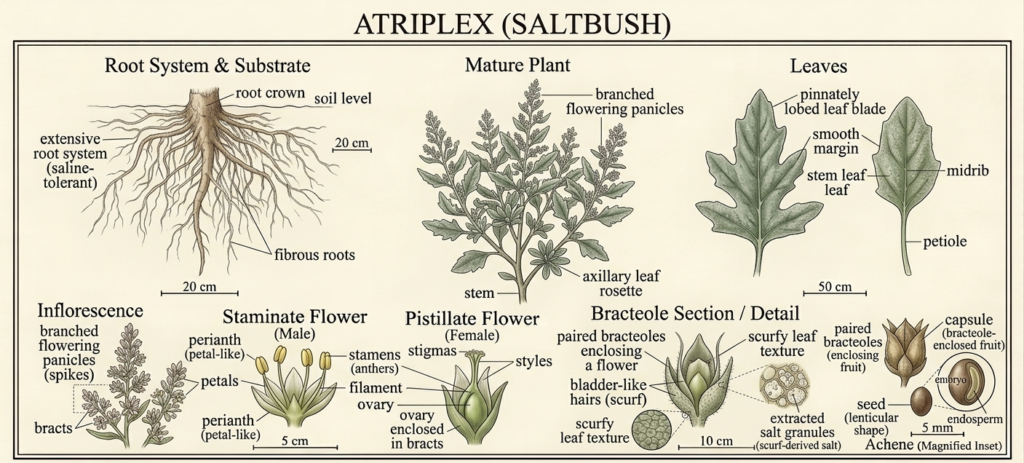
The plant is covered with bladder-like hairs collapsing to form a silvery and scurfy appearance. The flowers are spike-like panicles. Its fruits and seeds are enclosed in structures called bracteoles, with many varieties producing salty fruits. The leaves appear alternate on the plant, and some are succulent.
It is found in Australia, North America, and South America. The species include A. hortensis (garden orache), A. cinerea (grey saltbush), A. canescens (chamiso), A. confertifolia (shadscale), and A. hastata (spearscale).
Health Uses and ethnopharmacological profile of Atriplex
Traditional uses
The plant A. halimus has been reported to be used as a digestive and urinary tract herbal remedy for conditions like cystitis and to calm down the stomach. It was also a natural remedy for jaundice and, topically, an antiseptic.
Health Uses and Research
Antitumor potential- hydroethanolic extract of A. halimus has shown in vitro potential against cancers. Bioactive compounds within the extract elicited certain mechanisms against human breast cell cancer lines, such as promoting programmed cell death in cancer cells, blocking cell division and suppressing its proliferation, and influencing redox balance in cells, contributing to selective cytotoxic action.
Anti-inflammatory/analgesic potential– methanolic extract of A. leucoclada from aerial plants in rodent assays has shown activity of inhibiting COX 1 and COX 2, inflammatory modulators. This conclusion was due to an observed reduction in paw edema and increased latency to pain response in a hot plate and tail flick test. Das 2021
Antidiabetic potential– aqueous leaf extract of A. halimus given at 200 mg/kg produced antihyperglycemic effects in streptozocin-induced diabetic rats. This was due to an observed reduction in fasting blood glucose, improved glucose tolerance, and associated weight loss. This activity was linked to the phenolic/flavonoid action of stimulating the production of insulin from beta pancreatic cells. Bouonar 2022
Antioxidant potential– in vitro and in vivo rat models have determined extracts with phenolic compounds to have antioxidant activity. They act through various mechanisms like free radical scavenging, metal chelation, and lipid peroxidation.
Hepatoprotective potential– aqeous extracts given orally for 30 days in rats with benzene-induced liver toxicity. The extract restored normal liver enzyme levels. This outcome was attributed to identified antioxidant effects alongside cellular stabilization by supporting cell membrane integrity.
Antibacterial potential– Acetone leaf extracts showed activity against bacteria like salmonella typhi and Vibrio cholera in vitro. It is believed that its compounds caused cell wall disruption and enzyme inhibition. fevrier 2024
Antiparasitic (scolicidal)activity– in vitro studies showed aqueous extracts induced a direct effect on the parasite by structurally damaging the parasite tegument. The suspected mechanism of action is structural damage to membranes.
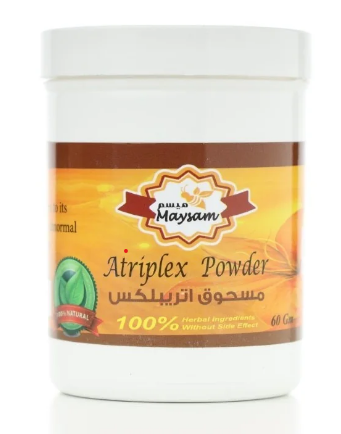
NB– Atriplex remains largely unstudied, with no clinical research but in vitro/in vivo assays. Therefore, use should be limited to forage.
REFERENCES
Roubi M, Dalli M, Azizi SE, Gseyra N. Atriplex halimus: Phytochemical Insights, Traditional Applications, and Pharmacological Promises. Chem Biodivers. 2025 Apr;22(4):e202402171. doi: 10.1002/cbdv.202402171. Epub 2024 Dec 16. PMID: 39558878.
Grabowska K, Pietrzak W, Paśko P, Sołtys A, Galanty A, Żmudzki P, Nowak R, Podolak I. Antihyaluronidase and Antioxidant Potential of Atriplex sagittata Borkh. in Relation to Phenolic Compounds and Triterpene Saponins. Molecules. 2023 Jan 18;28(3):982. doi: 10.3390/molecules28030982. PMID: 36770647; PMCID: PMC9921161.
Bouaziz S, Amri M, Taibi N, Zeghir-Bouteldja R, Benkhaled A, Mezioug D, Touil-Boukoffa C. Protoscolicidal activity of Atriplex halimus leaves extract against Echinococcus granulosus protoscoleces. Exp Parasitol. 2021 Oct;229:108155. doi: 10.1016/j.exppara.2021.108155. Epub 2021 Sep 2. PMID: 34480915.
Khaoula Z, Ali BD. Preventive and Curative Effects of Atriplex Halimus L. Aqueous Extract on Benzene Provoked Hepatic Injury in Rats. J. Drug Delivery Ther. [Internet]. 2020 May 15 [cited 2026 Mar. 29];10(3):217-22.
Leave a Reply