
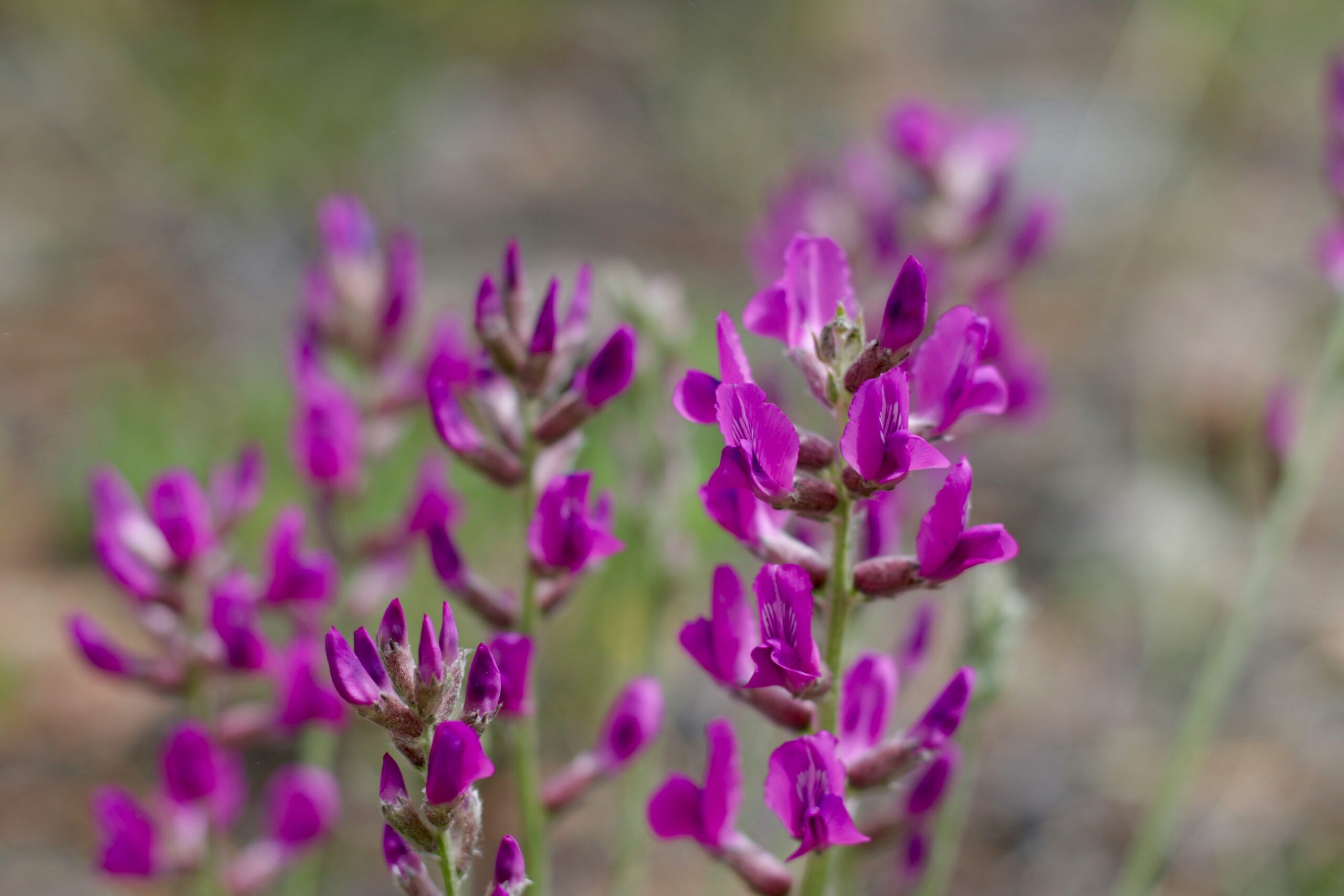
Astragalus is an herb that was used traditionally in ancient China to strengthen qi (vital energy), aid in relieving fatigue, and support the immune system functions. Several related species, like A. alpinus and A. hypoglottis, are grown as ornamentals in gardens.
Astragalus is used in:
- Preserving kidney function in dialysis
- Immune support
- Reduce fatigue in cancer patients
- Improve heart function
Jump to section
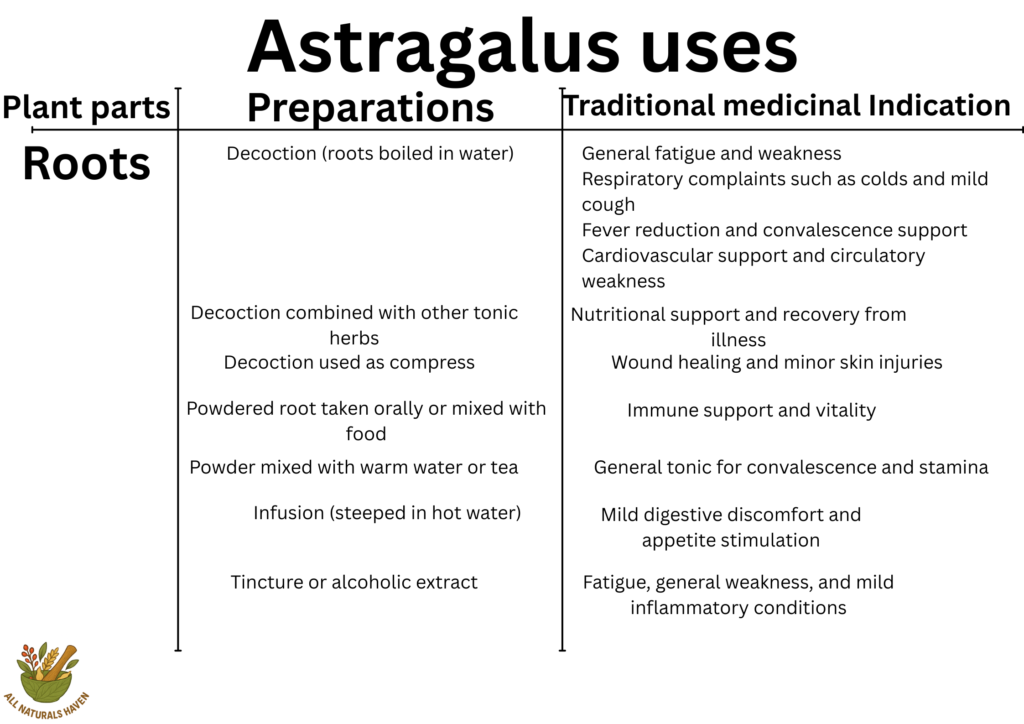
Medical Uses and ethnopharmacological profile of Astragalus
Astragalus Traditional uses
As an herbal remedy, Astragalus has been used as an immune modulator and as a tonic for the treatment of nephritis and diabetes. It was also used to counter fatigue.
Clinical Uses and Research
Cardiovascular effects– In a randomized, double-blind, placebo-controlled human trial, as an adjunct therapy, huangqi helps in managing fatigue and quality of life in stroke patients. Aqueous and ethanolic extract at 20-30 grams of decoction or 500 mg to 1000 mg twice daily for 8-12 weeks promoted left ventricular ejection fraction, protected the mitochondria, and increased antioxidant enzymes.
Antidiabetic properties– Study in people with type 2 diabetes showed improvement in glucose metabolism and reduction in fasting blood glucose and postprandial blood glucose. Aqueous/hydroalcoholic 3-gram sachet or 1200-3000 mg of concentrated powder for 8-16 weeks enhanced signaling of the insulin receptor. (Han 2013)
Immune effects– Studies reveal enhanced immune functions with reduced cytokines and inflammatory responses in subjects with systemic lupus, myasthenia gravis, and herpes simplex keratitis. This was noted via increased counts of white blood cells and enhanced cytotoxicity of natural killer cells.
Anti-aging effects- An extract filled with TA-65 was observed to have an age reversal effect on the immune system in vitro. Astragaloside 4, flavonoids, and polysaccharides exhibited this through activating telomerase and maintaining telomere length, thus delaying cellular senescence. (Liu 2017)
Anticancer properties– The isoflavone formononetin fights cancer progression by inducing apoptosis, arresting cell cycle, and targeting the halting of metastasis through disrupting various cancer pathways.
Safety and dosing profile of milk vetch
Forms and Dosing
Common forms and dosing for adults include:
Teas– made from dried roots. Can be served between 9-30 grams a day.
Powdered root– 500-1000mg taken thrice a day.
Capsules/tablets– from compressed powders. Can be taken between 250 and 500 mg up to 4 times daily.
- 3 grams thrice daily in post-stroke recovery
- 2.25-7.5 grams twice daily in cardiovascular health
- 4-60 grams in root decoction daily for type 2 diabetes
- 500-200mg daily in immune support

Side effects and Interactions
- Diarrhea and nausea
- Allergic reactions like itching and hives
- Fatigue and dizziness
Use with caution alongside antihypertensives, as it can slightly lower blood pressure.
May inhibit the efficiency of immunosuppressants as they stimulate immune functions.
It affects water balance in the body; use with caution if on diuretics.
NB: Pregnant and lactating women, people with autoimmune disorders, and transplant patients should avoid taking astragalus.
Astragalus description and composition
Astragalus, also known as milkvetch, goat’s thorn, and radix astragali, belongs to the family Fabaceae. It is native to China, Korea, Siberia, and Japan. Medicinally used species include A. membraneceus, A. mongholicus, A. hoantchy, and A. atropilosulus, which is found in eastern Africa, i.e., Kenya and the Arabian Peninsula, and has reported traditional uses in childbirth.
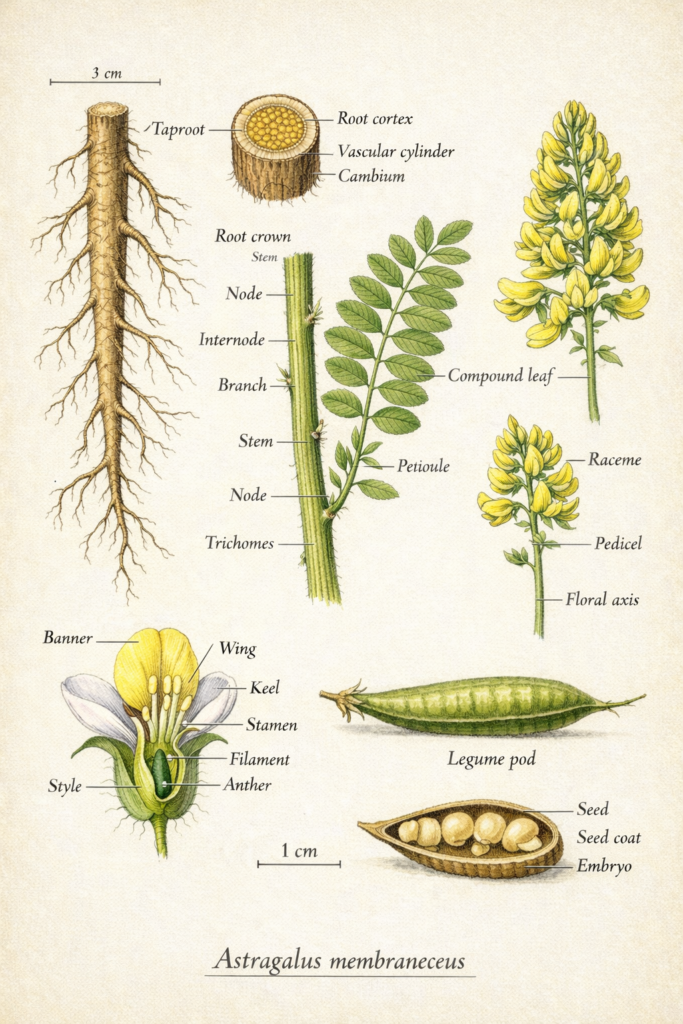
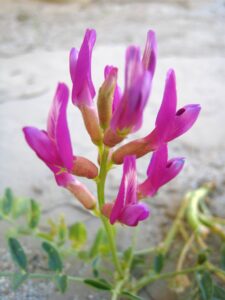
The roots of Astragalus membranaceus are cylindrical and thick with a woody base. It has a pale yellowish-brown color. The stems are erect and unbranched, with the surface appearing hairy. It is green when still young but turns brownish with maturity. The leaves are hairy on both sides, pinnate, and green in color. The flowers are pea-like and yellowish-white in color. They have leguminous pods with small, kidney-shaped, smooth, and brown seeds.
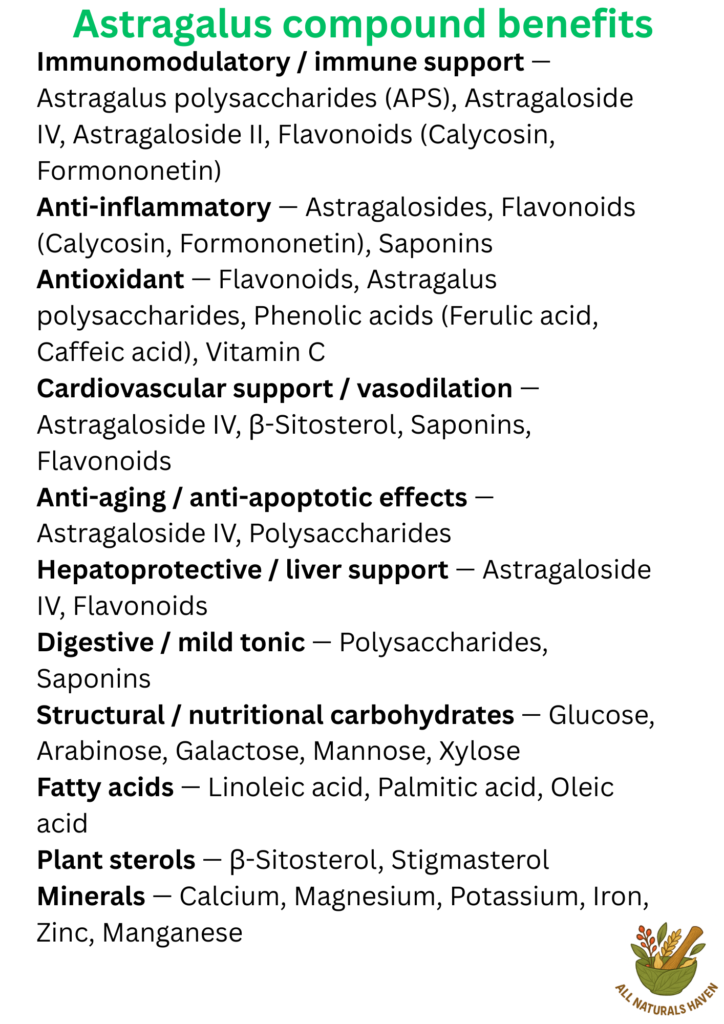
Various compounds found in Astragalus include astragaloside, polysaccharides, saponins, flavonoids, sterols, amino acids, volatile oils, kaempferol, quercetin, and minerals like zinc, iron, manganese, copper, and tin.
Astragalus cultivation
Astragalus is propagated by seeds. Seeds are soaked in warm water for 34 hours before being planted to improve germination. Seeds are planted directly onto the earth or seedbeds and covered lightly with soil. The ideal soil is of pH 6-7.5 and is well-drained sandy loam or loamy soil. It thrives in the temperature ranges of 20-25 degrees Celsius and requires moderate water/rainfall. At least 6 hours of direct sunlight is sufficient to maintain this plant.
Harvesting is done after 2 to 4 years; this is when the compound concentration is highest. The part harvested for medicinal purposes is the root. Loosen the soil first with a spade or a hoe and dig out the root. Wash the harvested roots till clean and shade-dry for about 2 weeks until crispy. Store in paper bags in a cool, dry place, and for processed astragalus, store in airtight jars.
REFERENCES
Xu L, Xu XY, Hou XQ, Wang FG, Gao S, Zhang HT. Adjuvant therapy with Astragalus membranaceus for post-stroke fatigue: a systematic review. Metab Brain Dis. 2020 Jan;35(1):83-93. doi: 10.1007/s11011-019-00483-4. Epub 2019 Aug 22. PMID: 31440984.
Niu, Guang-Hua & Sun, Xu & Zhang, Chun-Ming. (2009). [Effect of compound astragalus recipe on lymphocyte subset, immunoglobulin and complements in patients with myasthenia gravia]. Zhongguo Zhong xi yi jie he za zhi Zhongguo Zhongxiyi jiehe zazhi = Chinese journal of integrated traditional and Western medicine / Zhongguo Zhong xi yi jie he xue hui, Zhongguo Zhong yi yan jiu yuan zhu ban. 29. 305-8.
Jiang D, Rasul A, Batool R, Sarfraz I, Hussain G, Mateen Tahir M, Qin T, Selamoglu Z, Ali M, Li J, Li X. Potential Anticancer Properties and Mechanisms of Action of Formononetin. Biomed Res Int. 2019 Jul 28;2019:5854315. doi: 10.1155/2019/5854315. PMID: 31467899; PMCID: PMC6699357.
Leave a Reply