
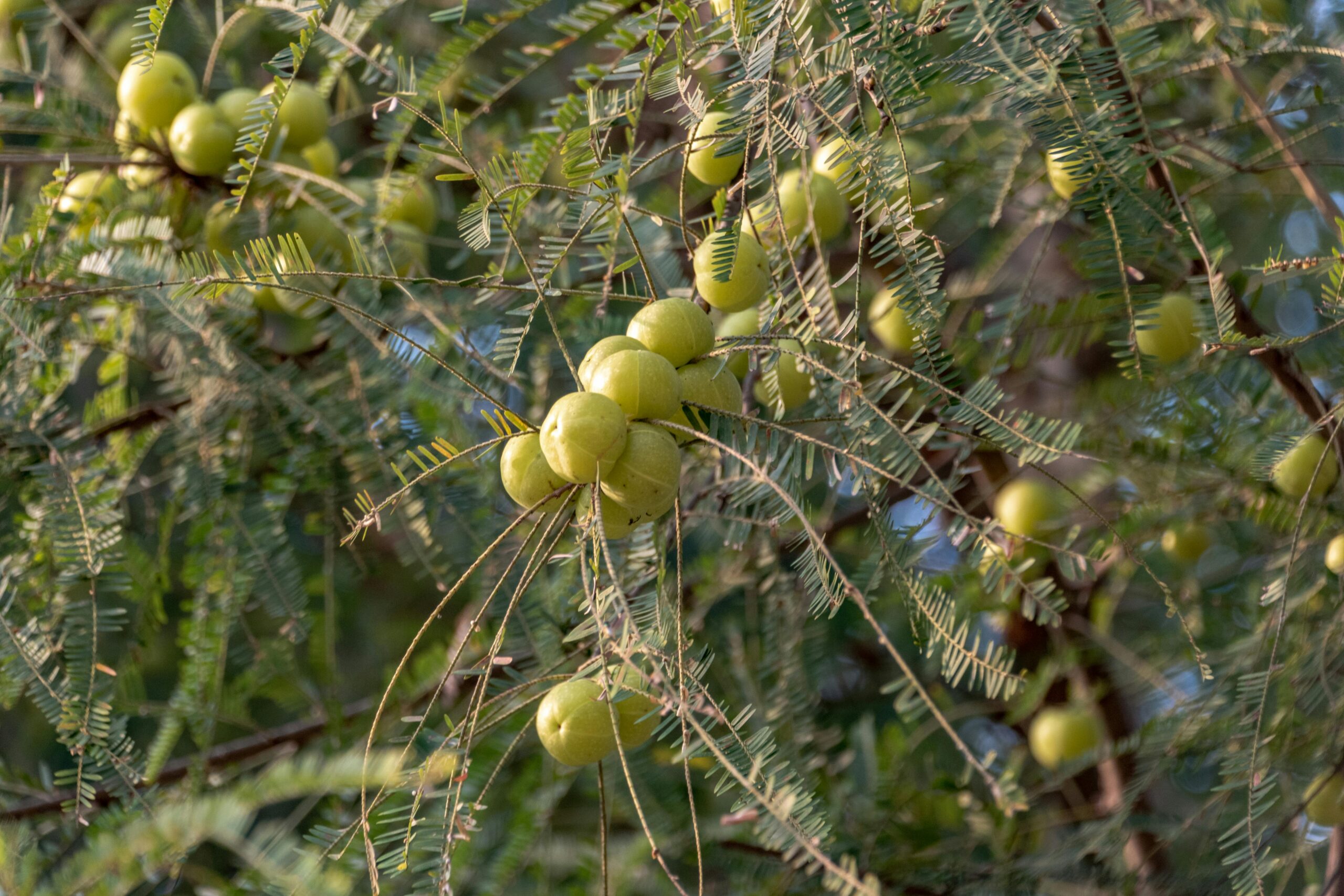
Amla is one of the most common ingredients in hair tonic used to boost hair growth. It is a fruit that can be eaten raw or pickled with salt and spices. The bark has an astringent, bitter taste. It is rich in vitamin C, amino acids, tannins like gallic acid and phyllembelin, and alkaloids like phyllatidine and indoleacetic acid in unripe amla.
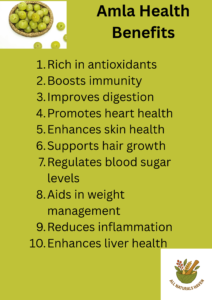
Amla uses are listed in the image below.
Jump to: Medicinal Uses and ethnopharmacological profile
Amla Description
Amla is native to India, Sri Lanka and Myanmar and is commonly referred to as ‘Indian gooseberry.’ They are cultivated in other places like China, Nepal, Thailand, and Pakistan. Other varieties are Banarasi, Chakaiya, Krishna, Kanchan, Narendra Aonla 6, Goma, Aishwarya, Neelam, Bansi Red, and Laxmi 52.
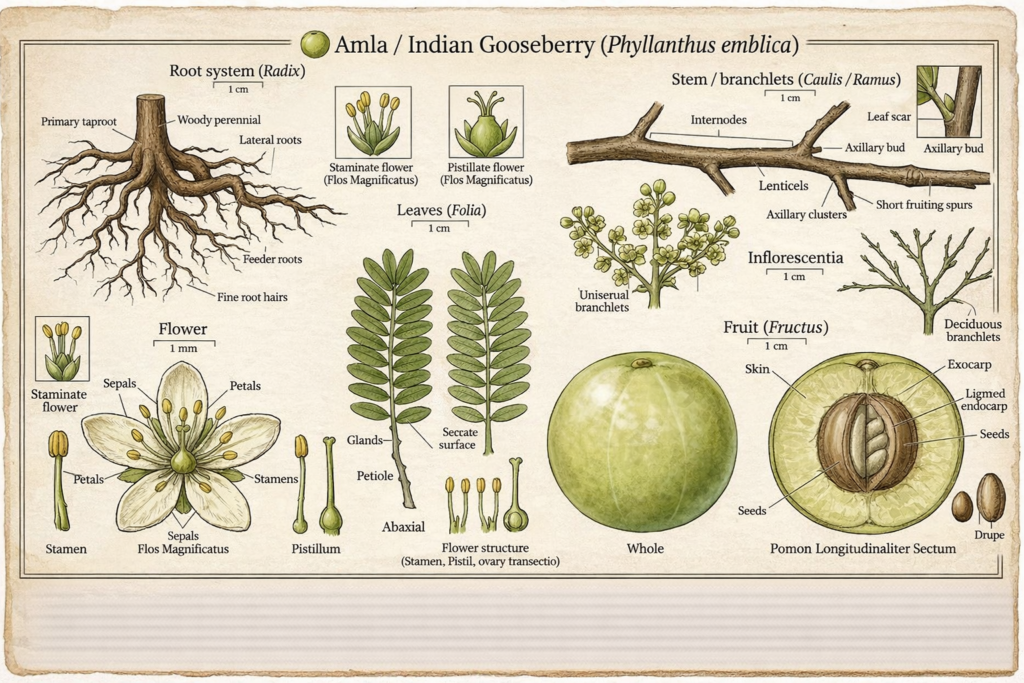
Amla fruit is small, about 3-4 centimeters; round and a bit oval; and has a greenish-yellow color but is fully yellow when ripe. The fruits have a smooth glossy surface, and the flesh is fibrous and firm. It has one seed inside the fruit. The leaves are bright green, smooth around the edges, and oblong. The bark is rough and greyish brown.
Amla (tree) medicinal Uses and ethnopharmacological profile
Traditional uses
Amla is one of the ingredients in the ayurvedic preparation ‘triphala’ used in chronic dysentery and biliousness. It is also used as a diuretic, an acrid, and a laxative. The dry fruit was traditionally used in diarrhea, hemorrhage, and diabetes.

Clinical Uses and Research
Anti-inflammatory effects- In clinical studies, a noted reduction in C-reactive protein linked to the compounds polyphenol and hydrolyzable tannins was witnessed with a dose of 500 mg extract twice daily over 12 weeks in obese adults.
Antimicrobial effects– chewing of 10% fruit extract reduced oral Streptococcus mutans and Porphyromonas gingivitis through a mixture of enzyme inhibition, biofilm interference, and membrane disruption mechanisms. Thereby, it can be used as a mouthwash/gel to aid in gingivitis and bad breath. Ghao 2018
Anticancer potential– in vitro studies show inhibition of hepatocarcinogenesis in human cancer cell lines, including lung and cervical cancer. This activity was linked to tannins and phenolic acid compounds like ellagic acid and pyrogallol in amla.
Antidiabetic effects– In clinical trials, up to 3 grams diluted in water and given over a course of 21 days elicited a decrease in fasting and 2-hour postprandial serum glucose levels. This activity was linked to flavonoids like quercetin that had inhibitory action on glucose metabolism enzymes.
Antihyperlipidemic effects– Emblica supplementation in hypercholesterolemic men for 28 days elicited a decrease in serum cholesterol levels. This was linked to polyphenols and phenolic acids that reduced LDL oxidation. Similar observations were made with a 500 mg dose a day for 12 weeks in dyslipidemia adults.
Fertility aid potential– In animal models (albino mice), an increase in sperm count, motility, and viability in human sperm with ripe fruit extract was observed. These results were linked mainly to hydrolyzable tannins embilicanin A and B, which elicited a neutralization of reactive oxygen species in testicular tissues that, in turn, protects the sperm membranes and DNA from damage. Chakraborty 2009
NB: Amla extracts have a mild action on lowering blood sugars and cholesterol; therefore, combining them with antidiabetic drugs or antiplatelet drugs should be done under a physician’s guidance.
Amla enhances iron absorption; it can aid in iron deficiency anemia to help boost iron levels.
REFERENCES
Khanna S, Das A, Spieldenner J, Rink C, Roy S. Supplementation of a standardized extract from Phyllanthus emblica improves cardiovascular risk factors and platelet aggregation in overweight/class-1 obese adults. J Med Food. 2015 Apr;18(4):415-20. doi: 10.1089/jmf.2014.0178. Epub 2015 Mar 10. PMID: 25756303; PMCID: PMC4390209.
Yang CJ, Wang CS, Hung JY, Huang HW, Chia YC, Wang PH, Weng CF, Huang MS. Pyrogallol induces G2-M arrest in human lung cancer cells and inhibits tumor growth in an animal model. Lung Cancer. 2009 Nov;66(2):162-8. doi: 10.1016/j.lungcan.2009.01.016. Epub 2009 Feb 23. PMID: 19233505.
Akhtar MS, Ramzan A, Ali A, Ahmad M. Effect of Amla fruit (Emblica officinalis Gaertn.) on blood glucose and lipid profile of normal subjects and type 2 diabetic patients. Int J Food Sci Nutr. 2011 Sep;62(6):609-16. doi: 10.3109/09637486.2011.560565. Epub 2011 Apr 18. PMID: 21495900.
Upadya H, Prabhu S, Prasad A, Subramanian D, Gupta S, Goel A. A randomized, double blind, placebo controlled, multicenter clinical trial to assess the efficacy and safety of Emblica officinalis extract in patients with dyslipidemia. BMC Complement Altern Med. 2019 Jan 22;19(1):27. doi: 10.1186/s12906-019-2430-y. PMID: 30670010; PMCID: PMC6341673.
Leave a Reply