
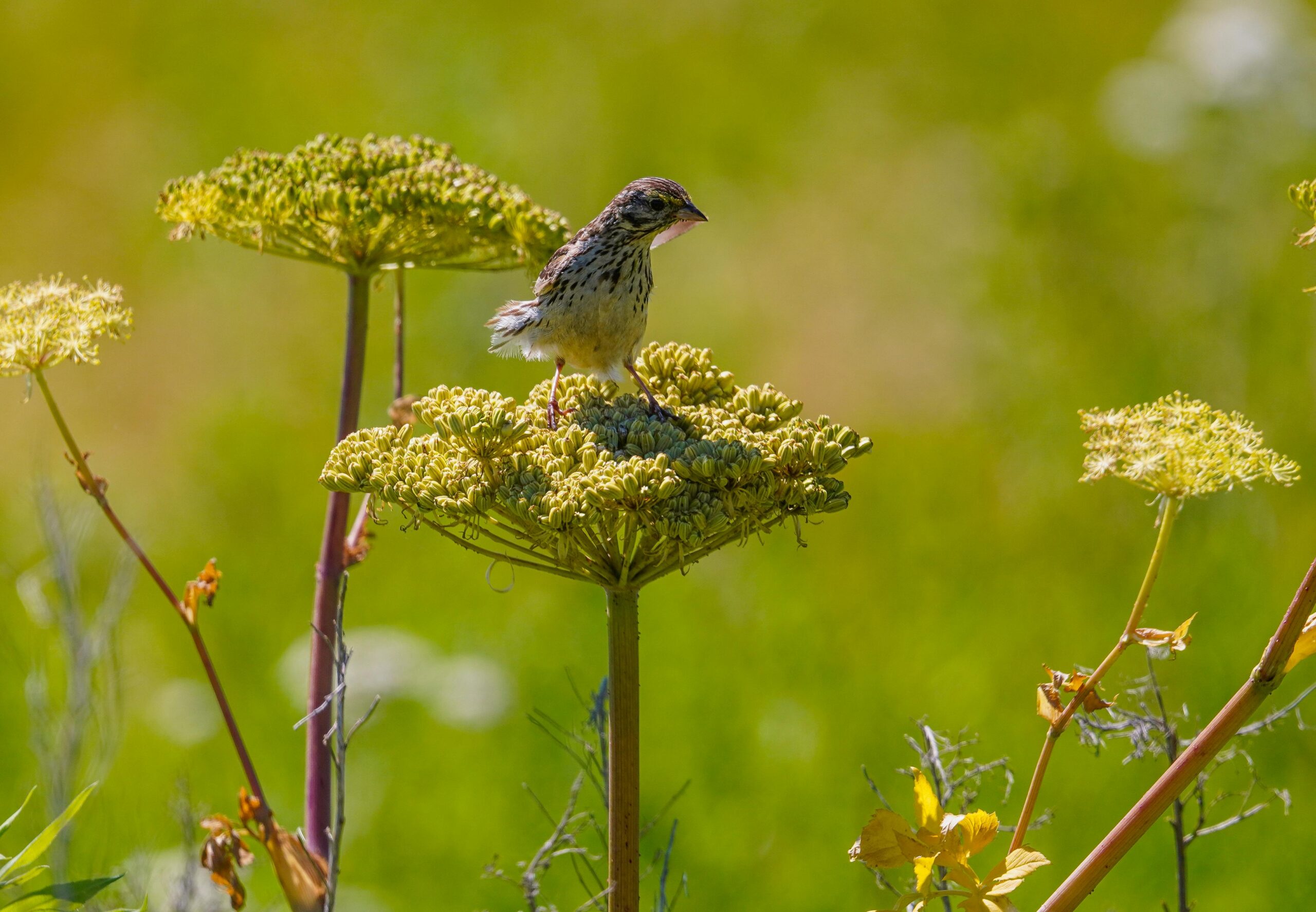
Angelica is a beneficial herb that has been used historically to make jams and in liqueurs, especially gin distillation. Its origin name, ‘angelica,’ in Latin means ‘angel’ and is a favorite among the spiritual community, as it is associated with a divine message or messenger; hence, the common nickname ‘holy ghost plant.’
The stems could be crystallized into syrups and used in making candy and pastry decorations or eaten as is. It is used as follows:
- Used in overactive bladder to reduce urination frequency
- Aid cognitive performance
- May help in relaxation and sleep support
- May aid in gas, dyspepsia and nausea
Jump to section
Medical Uses and ethnopharmacological profile of Angelica
Traditional uses
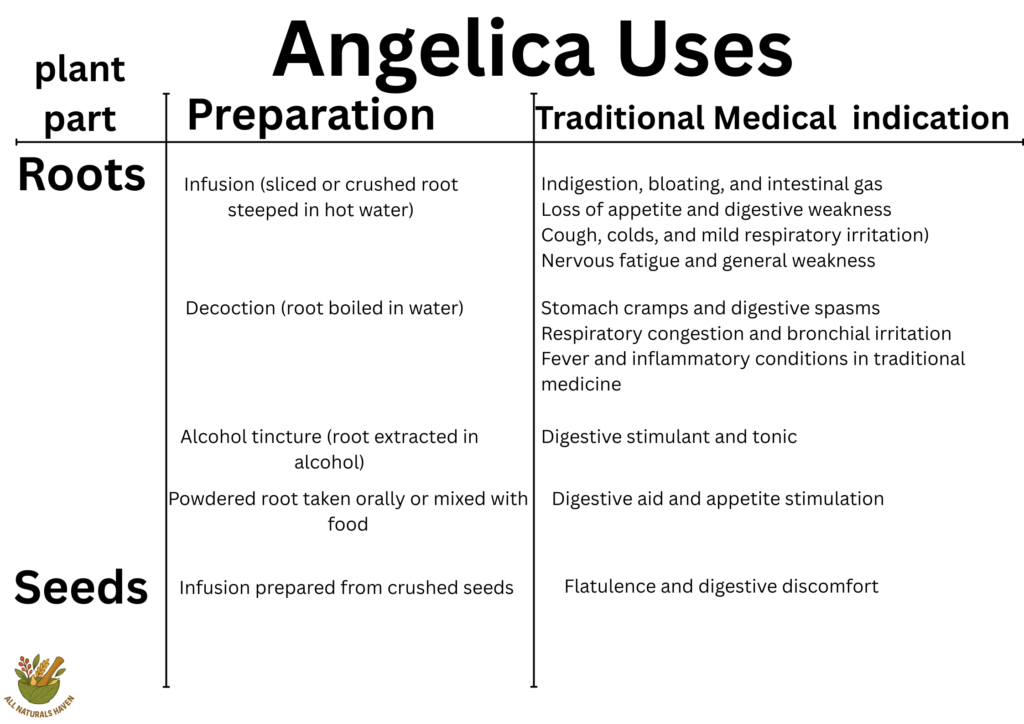
In ancient times, it found uses in menopausal disorders in women such as amenorrhea and is also called the “women’s ginseng” in Chinese. It was also used to calm anxiety in people. Angelica tea was also used to relieve flatulence, while the oil was used topically to treat skin disorders. In small doses, as an aromatic bitter herb, it stimulates digestion and promotes appetite.
Clinical uses and Research
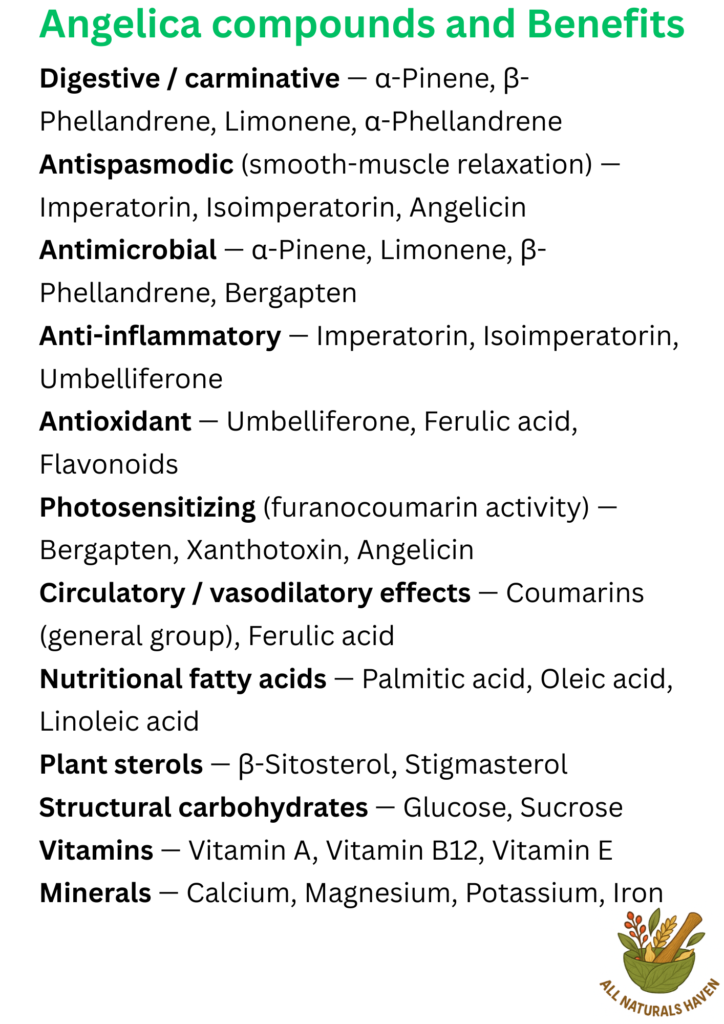
- Antiseizure and improved symptoms of dementia. Elicited by inhibition of gamma-aminobutyric acid degradation and dampening excitatory activity by targeting voltage-gated sodium and potassium channels in vitro. Angelic and ferulic acids have been evaluated in small clinical trials for people with dementia but not as lone agents.
- In ischemic stroke: In 40 adults, aqueous infusions given as 200 ml for 14 days improved microcirculation and reduced fibrinogen levels. Ligustilide and polysaccharides inhibited platelet aggregation and reduced blood viscosity.
- In dyspepsia: In 50 adults with dyspepsia, root hydroethanolic extract given for 4 weeks exhibited a dramatic reduction in epigastric pain and fullness in comparison to the placebo. Essential oils and coumarins agonized serotonin receptors and relaxed the gastric fundus. (Mahazeri 2015)
- Overactive bladder and night Urination: Aqueous leaf extract at a dose of 100 mg daily or at bedtime for 6-8 weeks achieved a reduction in daytime and nighttime voids and improved quality of life scores. Isoquercetin antagonized muscarinic receptors and reduced smooth muscle contractions of the bladder. Flavonoids were also isolated to increase nocturnal bladder functioning capacity. (Seoane 2025)
- It has antimicrobial activity against Helicobacter pylori, and its volatile oil has also elicited activity against Staphylococcus aureus and E. coli. The compound imperatorin has elicited activity against herpes simplex and Coxsackie virus in vitro.
- Anti-inflammatory properties. It elicits a decrease in cytokines and encourages the creation of new blood cells in vitro. Wan cha 2011
- Anticancer properties. Compounds in roots and leaves were cytotoxic to breast cancer cell lines in vitro.
Safety and dosing profile of Angelica
Forms and Dosing
Angelica can be used as:
Capsules– dried, ground and compacted into capsules or tablets
Teas- powdered parts are infused in hot water for roughly 5 to 10 minutes and drunk.
Essential oils used in aromatherapy.
Tinctures prepared by soaking in alcohol and used in herbal remedies and perfumery.
Syrups simmering stems and roots in water until thick, then adding a sweetener such as honey. Used in cough-type remedies to soothe the throat.
Daily dosing recommended is 3-6 grams a day in divided doses, but best taken thrice a week.
- Functional dyspesia- 20 drops thrice a day
- Nocturia-100-200 mg taken before bedtime
- Overactive bladder- 200mg daily

Side Effects and Interactions
Common angelica side effects include:
- Skin photosensitivity
- Diarrhea and cramping in large doses
Angelica has furanocoumarins, which interact with warfarin and other anticoagulants as well as antiseizure and cholesterol medications.
NB-Take with caution in hypertensive patients, as it may increase blood pressure. Avoid use in pregnancy due to the emmenagogue effect.
Angelica Descriptions and Composition
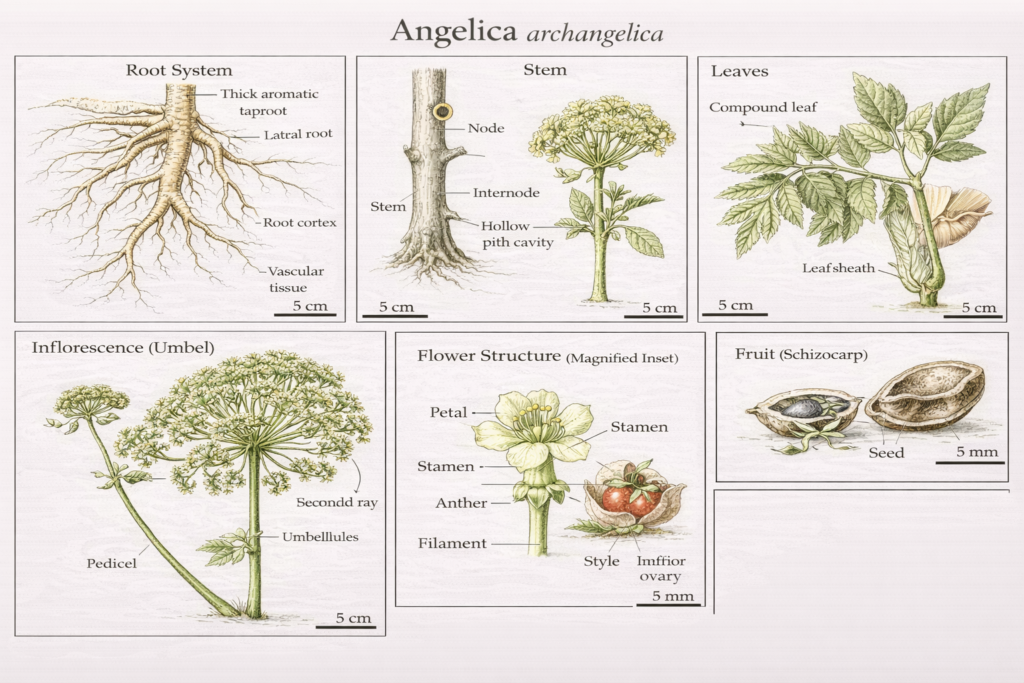
Angelica belongs to the family Apiaceae and is also referred to as wild celery, Norwegian angelica, and garden angelica. It is mainly cultivated for its edible roots and stems and also the sweet smell. The main useful subspecies are Angelica sinensis, Angelica decursiva, and Angelica archangelica/atropurpurea. Angelica is native to Russia, Finland, Sweden, Norway, Denmark, Greenland, France, the Faroe Islands, and other countries like Germany and Bulgaria.
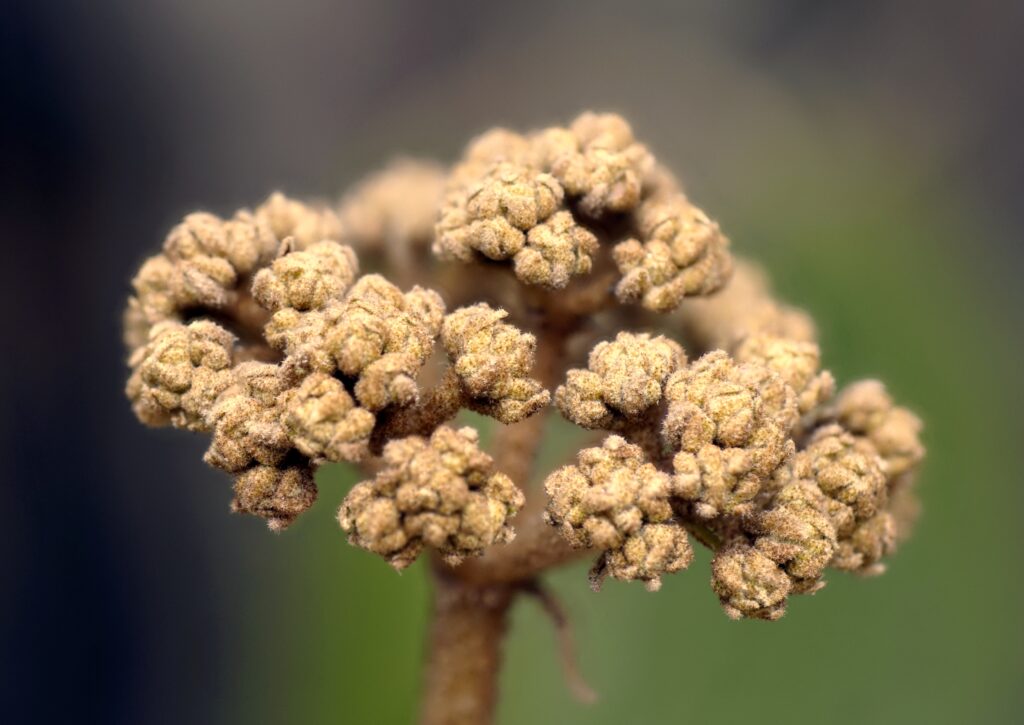
The leaves of angelica are small leaflets, many in number, with the edges finely serrated. The flowers are yellowish-greenish in color and grouped into umbels. The fruits are oblong in shape and pale yellow in color. The stem is fluted and can grow up to 5 meters long. Angelica contains angelic acid and terpenes (alpha-pinene and beta-phellandrene), which contribute to its musky smell. It also contains borneol, phthalides, benzofurans, essential oils, verbascosides, and polysaccharides.
Angelica cultivation
Angelica occurs naturally in areas with medium to wet soils, like marshes and along riverbanks. A slightly acidic to neutral pH soil with high organic matter is ideal. It requires sunlight with partial shade but prefers cooler regions and not a sunny climate. It can be propagated from fresh seeds or plug material. Plant directly into the soil because roots go deep; hence, a shallow container doesn’t fit planting well enough.
Roots are harvested late in year one of growth or early in year two, whereas leaves and stems can be harvested in year one from the base. While cutting, wear gloves, as the sap can cause photosensitivity. Angelica can only be harvested once, and the life cycle of the plant ends.
The leaves, thinly sliced roots, and seeds can be dried in a shaded area and packed whole in airtight jars away from heat or light and can last up to 9 months. The stems can be blanched for 2 minutes and then frozen in sealed bags.
REFERENCES
Wu KC, Chen YH, Cheng KS, Kuo YH, Yang CT, Wong KL, Tu YK, Chan P, Leung YM. Suppression of voltage-gated Na(+) channels and neuronal excitability by imperatorin. Eur J Pharmacol. 2013 Dec 5;721(1-3):49-55. doi: 10.1016/j.ejphar.2013.09.05 6. Epub 2013 Oct 7. PMID: 24113522.
Wang Z, Wu Z, Miao Y, Hao A, Chen H, Zhao S, Luo M, Guo S, Liu Y, Lu Y. The protective effects of ligustrazine on ischemic stroke: a systematic review and meta-analysis of preclinical evidence and possible mechanisms. Front Pharmacol. 2024 Mar 13;15:1373663. doi: 10.3389/fphar.2024.1373663. PMID: 38545549; PMCID: PMC10965629.
Sigurdsson S, Geirsson G, Gudmundsdottir H, Egilsdottir PB, Gudbjarnason S. A parallel, randomized, double-blind, placebo-controlled study to investigate the effect of SagaPro on nocturia in men. Scand J Urol. 2013 Feb;47(1):26-32. doi: 10.3109/00365599.2012.695390. Epub 2012 Jul 2. PMID: 23323790; PMCID: PMC3549610.
Batiha GE, Shaheen HM, Elhawary EA, Mostafa NM, Eldahshan OA, Sabatier JM. Phytochemical Constituents, Folk Medicinal Uses, and Biological Activities of Genus Angelica: A Review. Molecules. 2022 Dec 28;28(1):267. doi: 10.3390/molecules28010267. PMID: 36615460; PMCID: PMC9822461.
Sabeel Z, Liang Y, Hao M, Ying L, Guo R, Chen R, Li X, Yu C, Yang Z. A comprehensive review of antitumor properties of Angelica species and their antitumor-responsible constituents and the underlying molecular mechanisms involved in tumor inhibition. Phytother Res. 2023 May;37(5):2187-2211. doi: 10.1002/ptr.7841. Epub 2023 Apr 22. PMID: 37086188.
Leave a Reply