
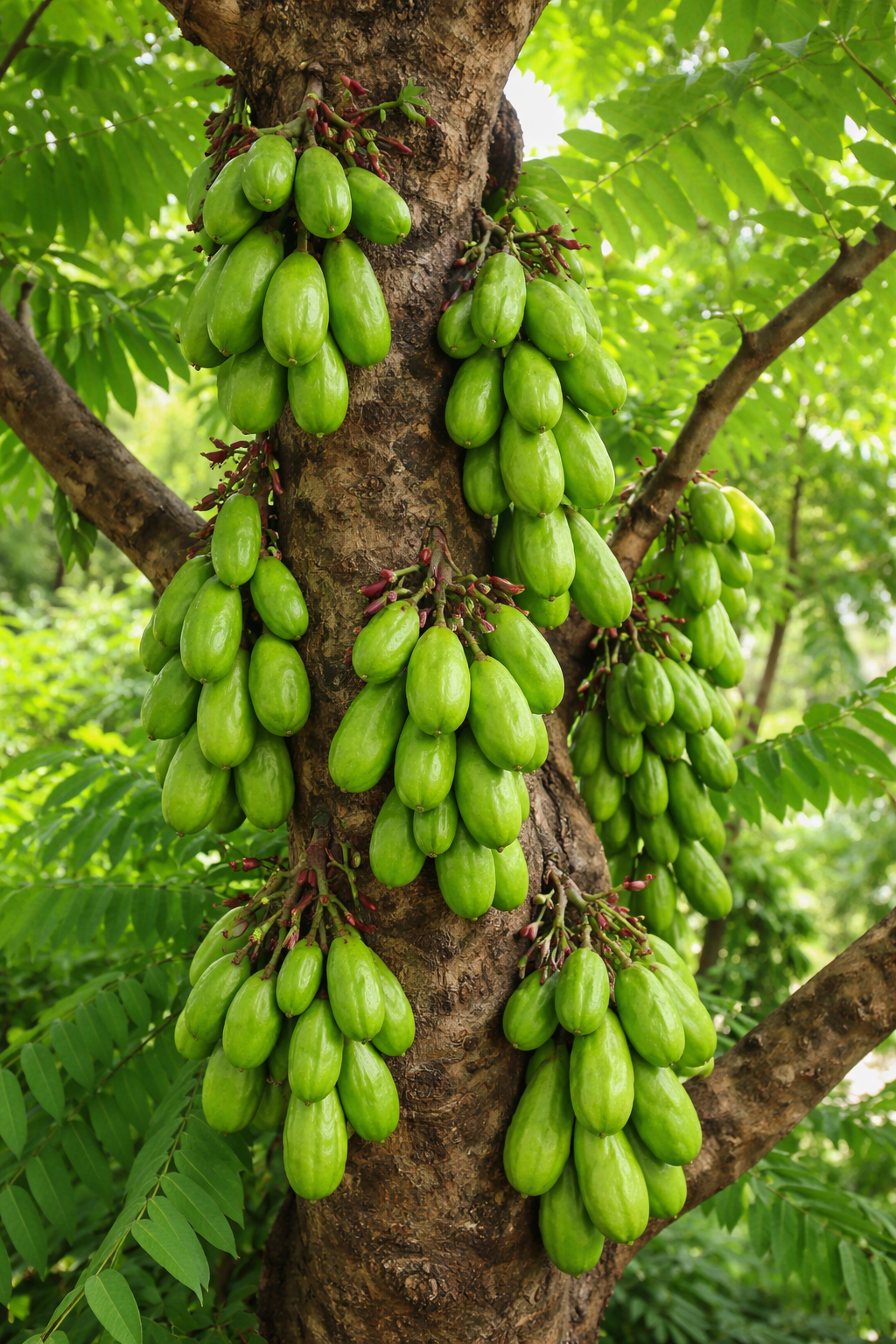
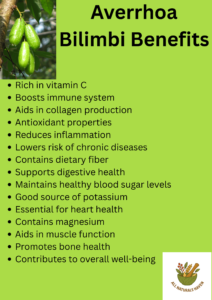
Averrhoa bilimbi, also called ‘cucumber tree,’ ‘tree sorrel,’ or ‘bilimbi,’ has been used as a souring agent in dishes such as pickles. It contains flavonoids, phenols, tannins, saponins, glycosides, steroids, alkaloids, oxalic acid, calcium, magnesium, and zinc. Its uses are outlined in the image below.
Jump to: Health uses and ethnopharmacological profile
Averrhoa Bilimbi Description
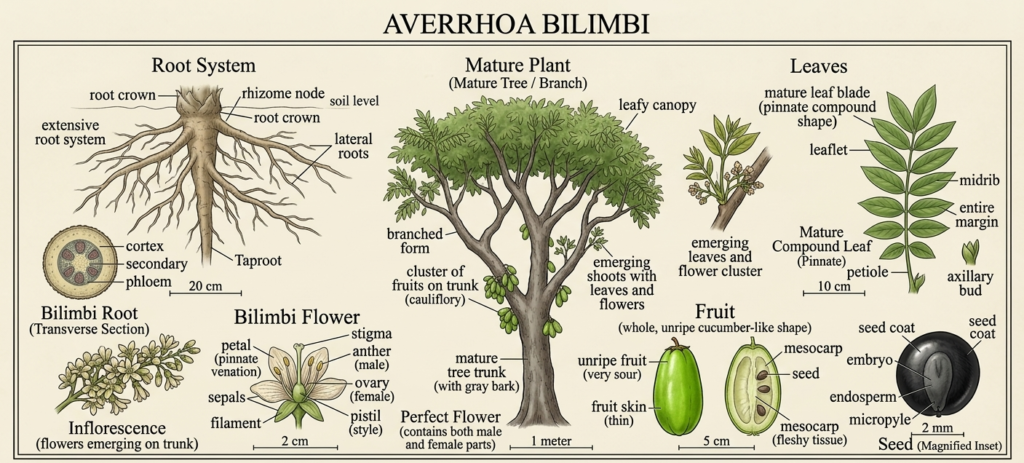
The flowers are small and purplish, appearing in clusters along the trunk. The trees are oblong, about 5 to 10 centimeters. The fruits are cylindrical with a green color when unripe and turns to yellowish-green when ripe with an acidic, sour taste
The Averrhoa bilimbi tree is native to Indonesia and is cultivated in Asia, the Pacific Islands, and Central and South America. The two common species are Averrhoa bilimbi and Averrhoa carambola, commonly known as star fruit.
Health uses and ethnopharmacological profile of Averrhoa Bilimbi
Traditional uses
In the rural Philippines the juice was used as mouthwash/relief for toothache. Other reported traditional uses include relief from mild constipation, clearing mucus, and topical use for insect bites, inflammation, or acne.

Health uses and Research
Anti-gout potential– cucumerin A found in butanol leaf extract exhibited a strong radical scavenging inhibition of xanthine oxidase in vitro.
Ethyl acetate and chloroform extracts exhibited free radical scavenging activity; hence, they can act as a general antioxidant as well.
Anti-diabetic potential– ethanolic leaf extract at 125 mg/kg twice daily for 2 weeks in rats lowered blood glucose through increasing insulin serum levels, improving glucose tolerance, and reducing hepatic gluconeogenic enzyme (glucose-6-phosphate) activity.
Reduction of blood triglycerides was also reported through lipid profile modulation, like increased HDL cholesterol.
Lipid-lowering potential– fruits extract at 125 mg/kg and water extract at 500 mg/kg in feeding models lowered serum lipid levels. This was through inhibiting cholesterol uptake from the gut and enhancement of HDL production (related to phenolic and flavonoid content). Alhasan 2016
Analgesic potential– methanolic extract of leaves, barks, and fruits exhibited analgesic activity at doses of 250 and 500 mg/kg. There were reduced writhing counts in mice through peripheral inhibition of prostaglandin synthesis, eventually reducing pain signaling. Sarker 2022
Cardiac vasodilation potential– ethanol-macerated fruit extract at 40 mg/kg elicited an increase in the nitric oxide in circulation, a vasodilator, and improved vascular functions. Under microscopic examination, there was observed less cell shrinkage and damage and reduced inflammatory infiltration on the walls of the vessels.
Dermatology potential– fruit ethanol macerated extract (5%) applied for 30 days by volunteers was able to increase skin moisture and elasticity, reduce pigmentation, and reduce pore size. It also elicited anti-aging effects linked to tyrosine inhibitory effects. Suharsanti 2025
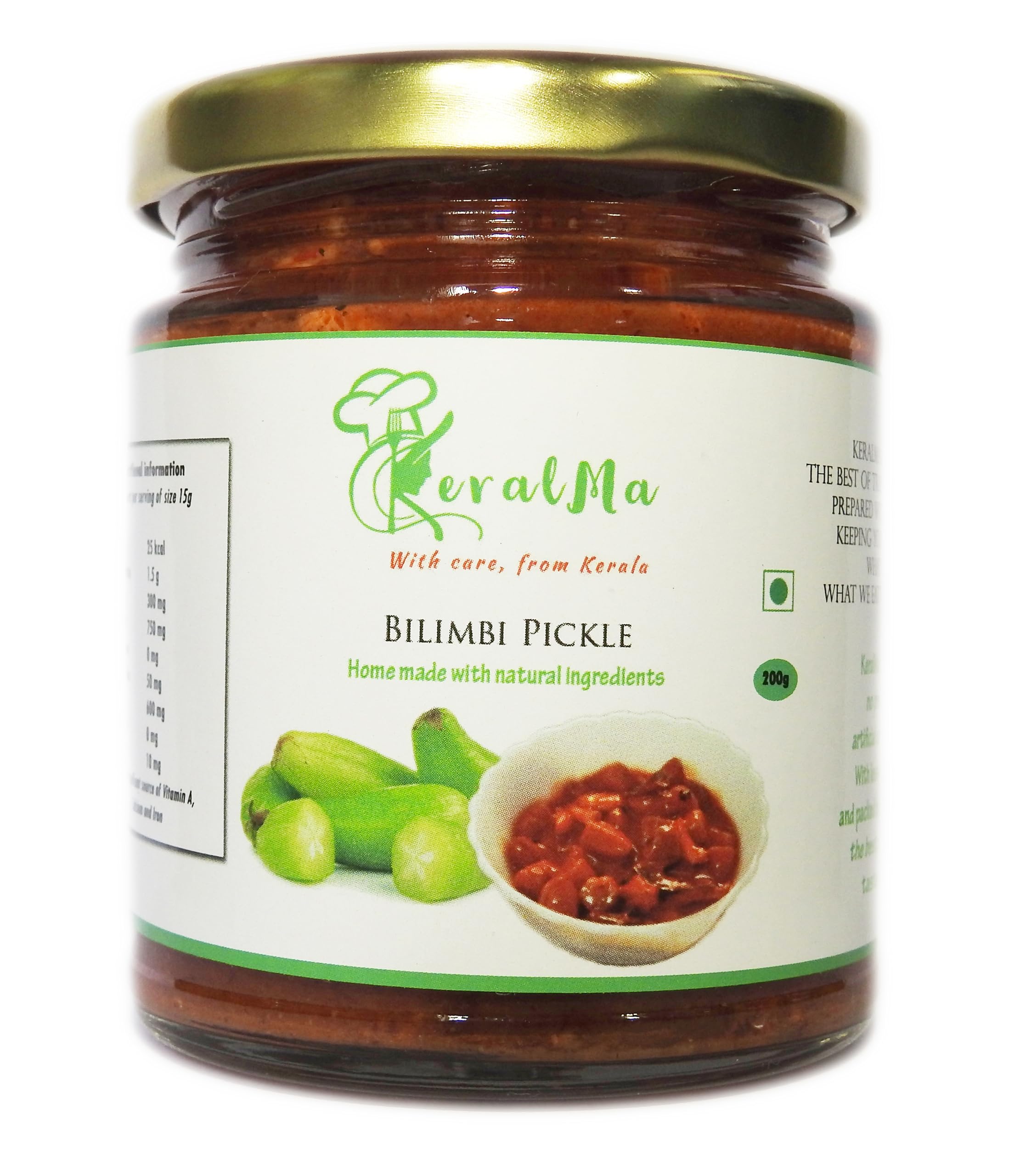
Due to its acidity, it may worsen gastritis or heartburn; pickling, cooking, or diluting bilimbi juice may lessen this acidity. Caution should also be taken when on antidiabetics and antihypertensives, as they have shown the potential of reducing sugars and diuretic effects; hence, they may potentiate the effects of these drugs.
NB: When taken in excess, Averrhoa bilimbi leads to acute kidney failure. The plant has high oxalate content that can bind to calcium to form calcium oxalate crystals; hence, people with kidney stones or chronic kidney disease should avoid eating raw bilimbi.
REFERENCES
Ahmed QU, Alhassan AM, Khatib A, Shah SAA, Hasan MM, Sarian MN. Antiradical and Xanthine Oxidase Inhibitory Activity Evaluations of Averrhoa bilimbi L. Leaves and Tentative Identification of Bioactive Constituents through LC-QTOF-MS/MS and Molecular Docking Approach. Antioxidants (Basel). 2018 Oct 8;7(10):137. doi: 10.3390/antiox7100137. PMID: 30297618; PMCID: PMC6210320.
Solfaine R, Muniroh L, Sadarman, Apriza, Irawan A. Roles of Averrhoa bilimbi Extract in Increasing Serum Nitric Oxide Concentration and Vascular Dilatation of Ethanol-Induced Hypertensive Rats. Prev Nutr Food Sci. 2021 Jun 30;26(2):186-191. doi: 10.3746/pnf.2021.26.2.186. PMID: 34316483; PMCID: PMC8276709.
Pushparaj P, Tan CH, Tan BK. Effects of Averrhoa bilimbi leaf extract on blood glucose and lipids in streptozotocin-diabetic rats. J Ethnopharmacol. 2000 Sep;72(1-2):69-76. doi: 10.1016/s0378-8741(00)00200-2. PMID: 10967456.
Leave a Reply