
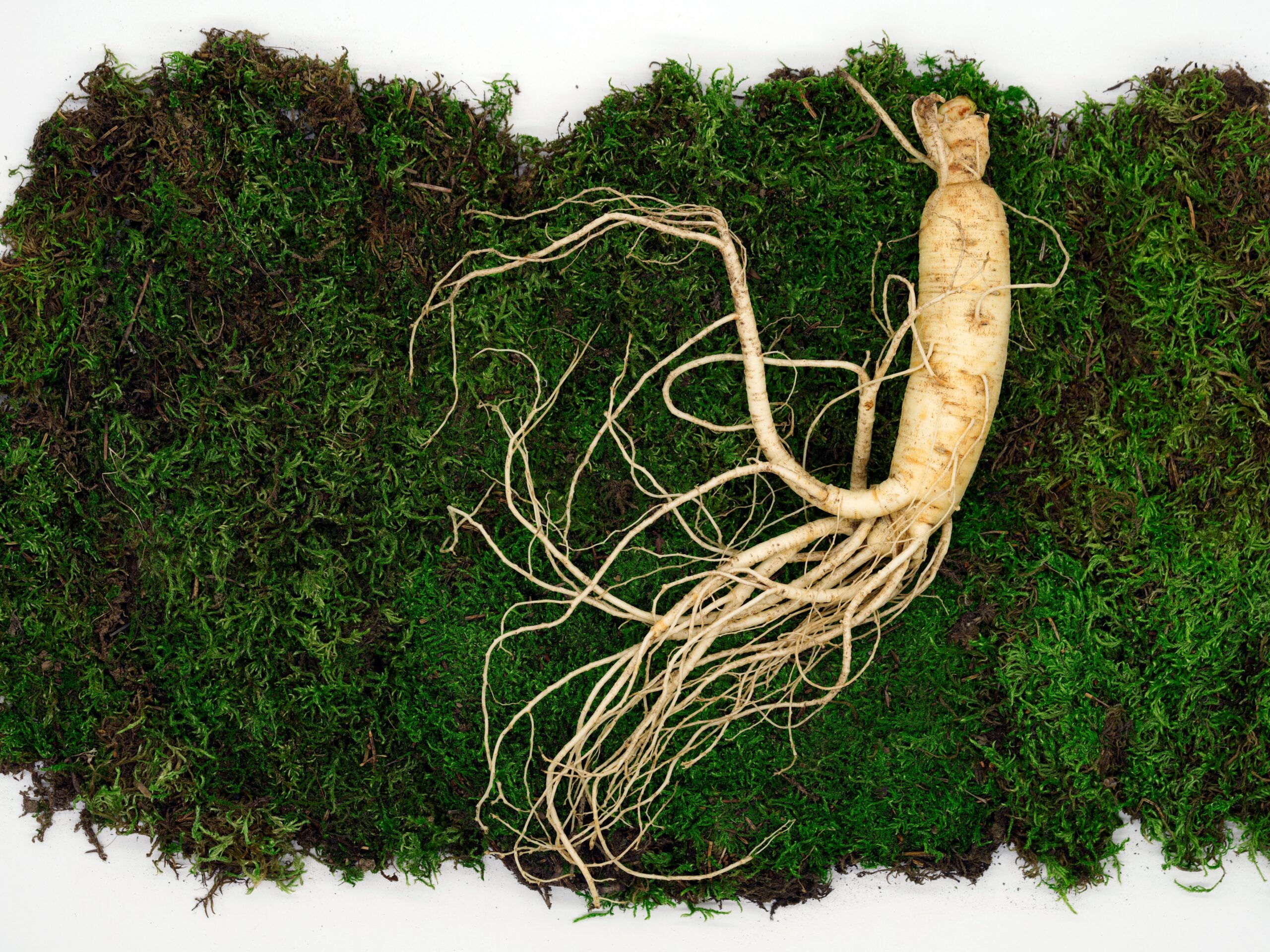
Ginseng, also commonly known as red, white, or mountain ginseng, belongs to the family Araliaceae. The genus Panax has various forms of ginseng, such as Asian, Korean, and Chinese ginseng. Another popular ginseng is the American ginseng (Panax quinquefolius). The plant is native to eastern Asia and North America and is currently grown in Australia, New Zealand, Germany, and Switzerland.
Various forms of ginseng are;
- Dwarf-panax trifolius
- Himalayan- Panax pseudoginseng
- Sanchi-panax Notoginseng
- Japanese- p. japonicus
They are used as folows:
- To boost cognitive processes and mental processes
- To alleviate fatigue both physical and mental
- To prove physical performance, endurance and muscle recovery
- To improve insulin sensitivity
- To support immune
- Improve erectile dysfunction and sexual health
- Improve skin elasticity and as an antiaging
Jump to section
Medical Uses and ethnopharmacological profile
Traditional uses
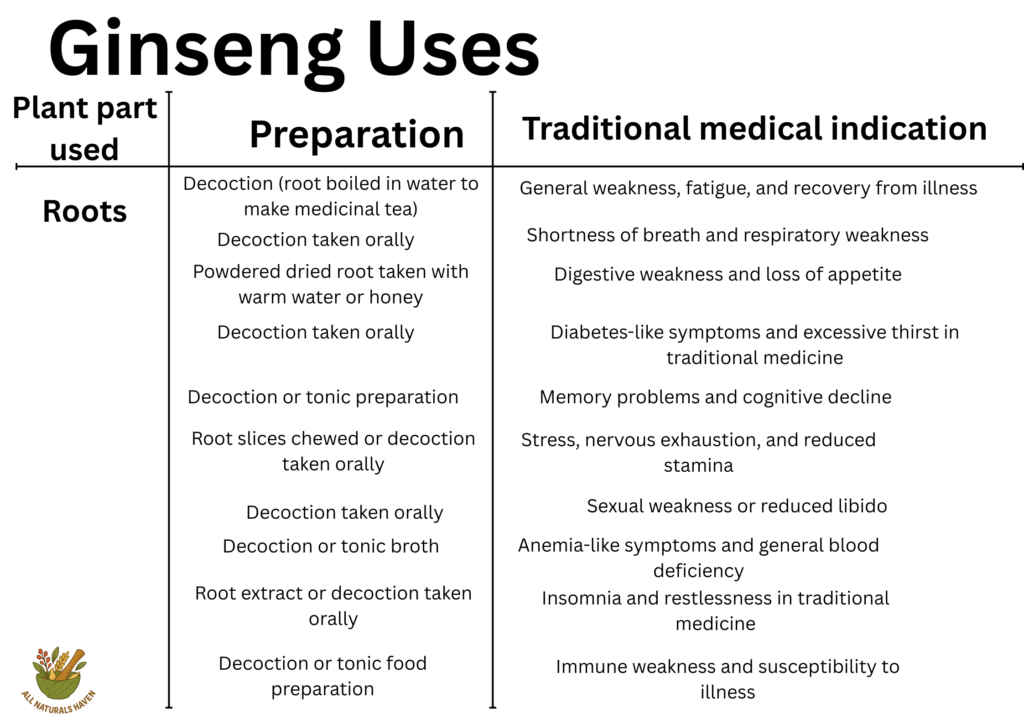
Ginseng was used in managing fatigue, as it was believed to nourish organs. It was also used in relief of shortness of breath, thirst, and dry cough. In the gastrointestinal tract, it was used as an appetite stimulant as well as a treatment for colic and indigestion. It was also an aphrodisiac used to treat infertility in women and aid in boosting men’s virility. Its roots were used as a poultice in topical applications for sores, eye inflammation, and headaches.
Clinical uses and Research
Moderate stress: Adults given root extract from red panax rich in ginsenosides at a dose of 200 mg daily for 3 weeks were able to elicit a decrease of anticipated stressful events and negative effects like impaired decision-making. This was thought to be through the modulation of the HPA axis, effectively raising cortisol levels.
Type 2 diabetes mellitus: In a glycemic control study, root extract rich in ginsenosides Rb1 and Rg1 was isolated to cause a decrease in HbA1C levels and fasting and insulin resistance. This was through the action of increasing insulin sensitivity and GLP-1 secretion with a dose of 500 mg twice daily for 12 weeks.
In another 4-week postprandial study using the mature berry containing saponins, there was a noted decrease in the 2-hour postprandial glucose levels. This was due to the simple action of inhibition of carbohydrate digestive enzymes.
Immune support: standardized 4% root powder extract at 100 mg daily for 12 weeks was able to enhance the levels and performance of natural killer cells and increase antibody titers. Thus, it was able to boost immunity as recorded by lower incidences of contracting colds and diseases caused by influenza strains. (Scaglione 1996).
Cognitive performance: In adults above 40 years, a standardized extract rich in ginsenosides at a dose of 400 mg daily for 8 weeks was able to elicit a boost in abstract thinking capacity. This was linked to an increase in acetylcholine in the hippocampus of the brain.
Physical performance: In a small clinical study, male athletes who took the roots of ginseng rich in ginsenosides increased physical performance. At a dose of 500 mg daily for 14 days, the extract was able to lower lipid peroxidation and enhance interleukin 1 performance. This action was able to lower triglyceride levels and show a decrease in oxygen consumption in aerobic tests.
In vivo uses and Research
Antioxidant capacity: In mice with high body fat content, an ethanolic aged ginseng supplement rich in saponins and phenolics showed antioxidant activity. It acted by enhancing the levels and activities of antioxidant enzymes like SOD and GPX.
Neuroprotection: In mice with Alzheimer’s, root extract rich in ginsenosides and compound K given as an injection or orally decreased neuronal damage and improved synaptic function. The compounds acted by reducing amyloid beta plaque aggregation. ( Hu Li 2023).
Hepatoprotection: Rats with alcohol-induced liver damage were exposed to root extract via oral gavage. The ginsenosides in the extract acted to protect the liver via free radical scavenging and anti-inflammatory effects.
In vitro Uses and Research
Anti-tumor: In human cancer cell lines, the compounds ginsenosides Rg3 and Rh2 were found to induce cell death via the mitochondrial pathway. This resulted in inhibition of cancer cell proliferation.
Immune modulation: in mouse macrophages, ginsenoside Rg1 was able to repair immune reactivity in suppressed cells. This was through the mitogenic effect and boosting of production of interleukin 1.
Memory and learning: In hippocampal slices bathed with root ginsenoside rich in Rb1, facilitated release of acetylcholine was indicative of a role in the improvement of memory and the learning process. ( Fei Xue 2006).
Safety and dosing profile of ginseng
Forms and Dosing
Fresh roots– 1-2 grams daily chewed, added to soups or in steeped teas
Dried roots– 0.5- 2 grams daily in decoctions
Powders– 1- 2 grams in smoothies, teas, etc.
Soft liquid extracts– 200-400 mg or 1-2 ml
Capsules and tablets (4-7%)- 200-400 mg daily in divided doses.
- Physical performance/fatigue- 100-200 mg twice daily
- Cognitive function- 200-400 mg a day
- Glucose metabolism- 200mg twice daily
- Immune support- 200-400 mg a day
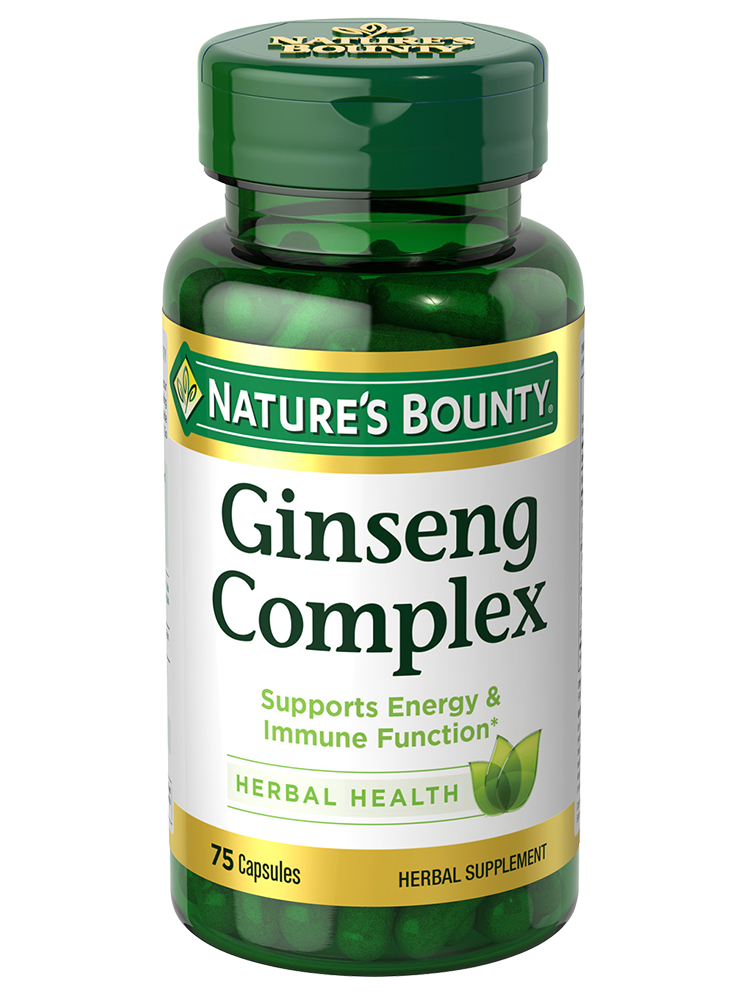
NB: It is taken in the morning or early afternoon, as it causes stimulation. Use the 3 weeks on, one week off method while on this supplement.
Interactions
- Blood thinners like Coumadin and warfarin may lead to decreased effectiveness.
- Antidiabetics, like metformin and insulin, may lead to hypoglycemia.
- Immunosuppressants may have a counter-effective effect because ginseng stimulates the immune system.
- Stimulants (caffeine, etc.) potentiate each other and may lead to ginseng abuse symptoms like jitters and heart palpitations.
- Monoamine oxidase inhibitors- may lead to tremors and headaches.
Side effects
- Insomnia
- Mild nausea and diarrhea
- Headache
- Nervousness
- Dizziness
- Breast tenderness
- Menstrual irregularities
Contraindications
- In pregnancy and breastfeeding
- Hormone-sensitive conditions like cancer and endometriosis
- Autoimmune disorders like lupus
- Bleeding disorders
- 2 weeks to surgery.
Ginseng Description and composition
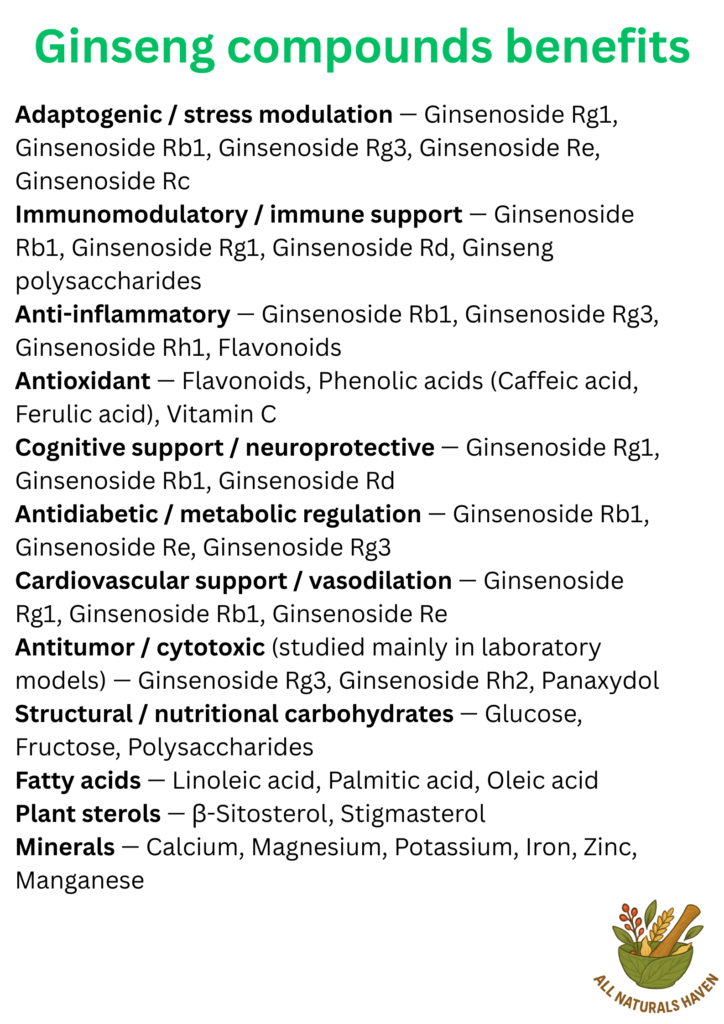
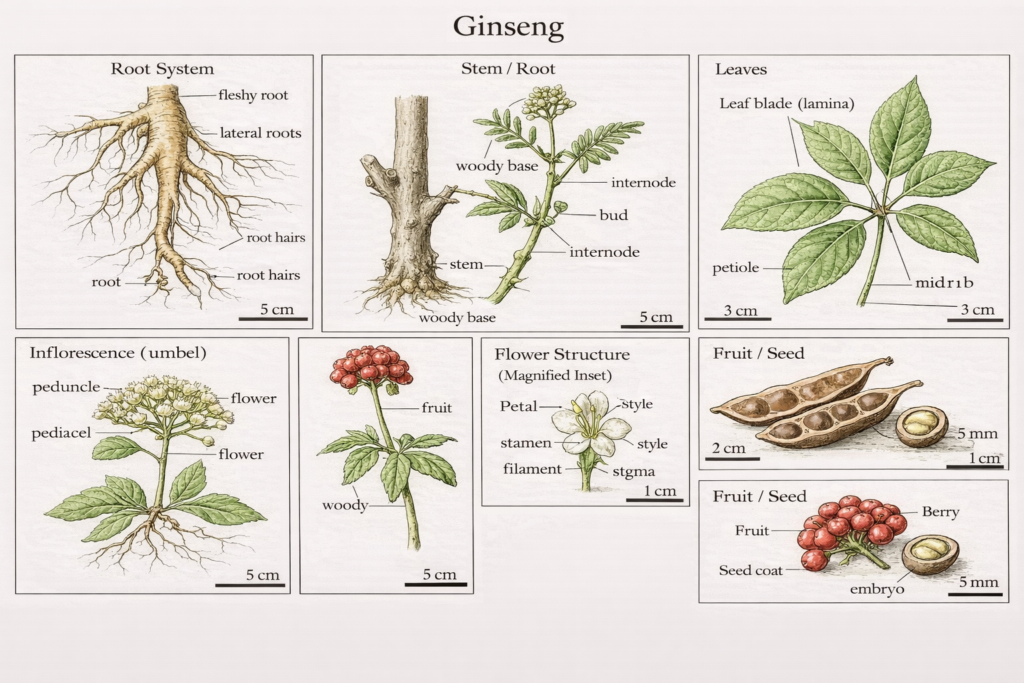
Ginseng contains ginsenosides like protopanaxidiols, which are calming, and protopanaxitriols, which are stimulating. Other compounds include polysaccharides, polyacetylenes, phenolic compounds, peptides, amino acids, vitamins, and minerals (magnesium, potassium, B6, and ascorbic acid).
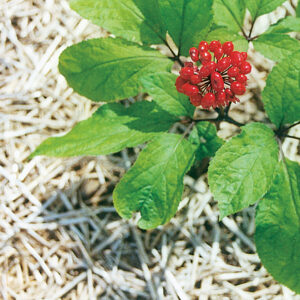
The plant’s roots are fleshy and branched with a cream to pale yellow appearance that turns fibrous and woody with age. The rhizome has a scar that determines its age. The stem has a greenish reddish hue and smooth. It has prongs that contain leaflets. The leaves are palmate and forest green, sometimes turning into golden yellow towards maturity. The flowers are tiny clusters with a greenish-white appearance. The berries are red with two flat, white, and hardy seeds.
Ginseng Cultivation
The plant requires shade; it doesn’t do well in direct sunlight. The soil should be well drained with a pH of 5-6. Plant the seeds 1 inch deep and 6 inches apart. Note that dormant seeds should first be stratified for around 90-120 days. Maturity begins between 3 and 6 years.
Harvesting should be done in autumn. Using special forks, dig while loosening the soil (away from the plant) and lift out the entire root system gently. Avoid scratching or breaking the skin. Clean gently to preserve wrinkles. Ginseng should be dried in shaded rooms with good airflow and low humidity for roughly 2-4 weeks.
The roots are stored in a breathable container in a cool, dry, and dark place. Fresh roots are first packed in damp moss or paper towels and refrigerated for a few weeks.
REFERENCES
Vladimir Vuksan, et al. (2008). Korean red ginseng (Panax ginseng) improves glucose and insulin regulation in well-controlled type 2 diabetes: Results of a randomized, double-blind, placebo-controlled study of efficacy and safety. https://doi.org/10.1016/j.numecd.2006.04.003 (https://www.sciencedirect.com/science/article/pii/S0939475306001098)
Ellis JM, Reddy P. Effects of Panax ginseng on quality of life. Ann Pharmacother. 2002 Mar;36(3):375-9. doi: 10.1345/aph.1A245. PMID: 11895046.
Chen W, Balan P, Popovich DG. Review of Ginseng Anti-Diabetic Studies. Molecules. 2019 Dec 9;24(24):4501. doi: 10.3390/molecules24244501. PMID: 31835292; PMCID: PMC6943541.
Kennedy DO, Scholey AB, Wesnes KA. Dose dependent changes in cognitive performance and mood following acute administration of Ginseng to healthy young volunteers. Nutr Neurosci. 2001;4(4):295-310. doi: 10.1080/1028415x.2001.11747370. PMID: 11842896.
Kim, S & Park, K & Chang, M & Sung, J. (2005). Effects of Panax ginseng extract on exercise-induced oxidative stress. The Journal of sports medicine and physical fitness. 45. 178-82.
Chung SI, Kang MY, Lee SC. In Vitro and In Vivo Antioxidant Activity of Aged Ginseng (Panax ginseng). Prev Nutr Food Sci. 2016 Mar;21(1):24-30. doi: 10.3746/pnf.2016.21.1.24. Epub 2016 Mar 31. PMID: 27069902; PMCID: PMC4827631.
Li N, Pang Q, Zhang Y, Lin J, Li H, Li Z, Liu Y, Fang X, An Y, Bai H, Li D, Cao Z, Liu J, Yang Q and Hu S (2023) Ginsenoside caffaff1ompound K reduces neuronal damage and improves neuronal synaptic dysfunction by targeting Aβ. Front. Pharmacol. 14:1103012. doi: 10.3389/fphar.2023.1103012
Xia T, Wang YN, Zhou CX, Wu LM, Liu Y, Zeng QH, Zhang XL, Yao JH, Wang M, Fang JP. Ginsenoside Rh2 and Rg3 inhibit cell proliferation and induce apoptosis by increasing mitochondrial reactive oxygen species in human leukemia Jurkat cells. Mol Med Rep. 2017 Jun;15(6):3591-3598. doi: 10.3892/mmr.2017.6459. Epub 2017 Apr 11. PMID: 28440403; PMCID: PMC5436158.
Hong, C.-E., & Lyu, S.-Y. (2025). Immunomodulatory Activities of Emerging Rare Ginsenosides F1, Rg5, Rk1, Rh1, and Rg2: From Molecular Mechanisms to Therapeutic Applications. Pharmaceuticals, 18(10), 1529. https://doi.org/10.3390/ph18101529
Leave a Reply