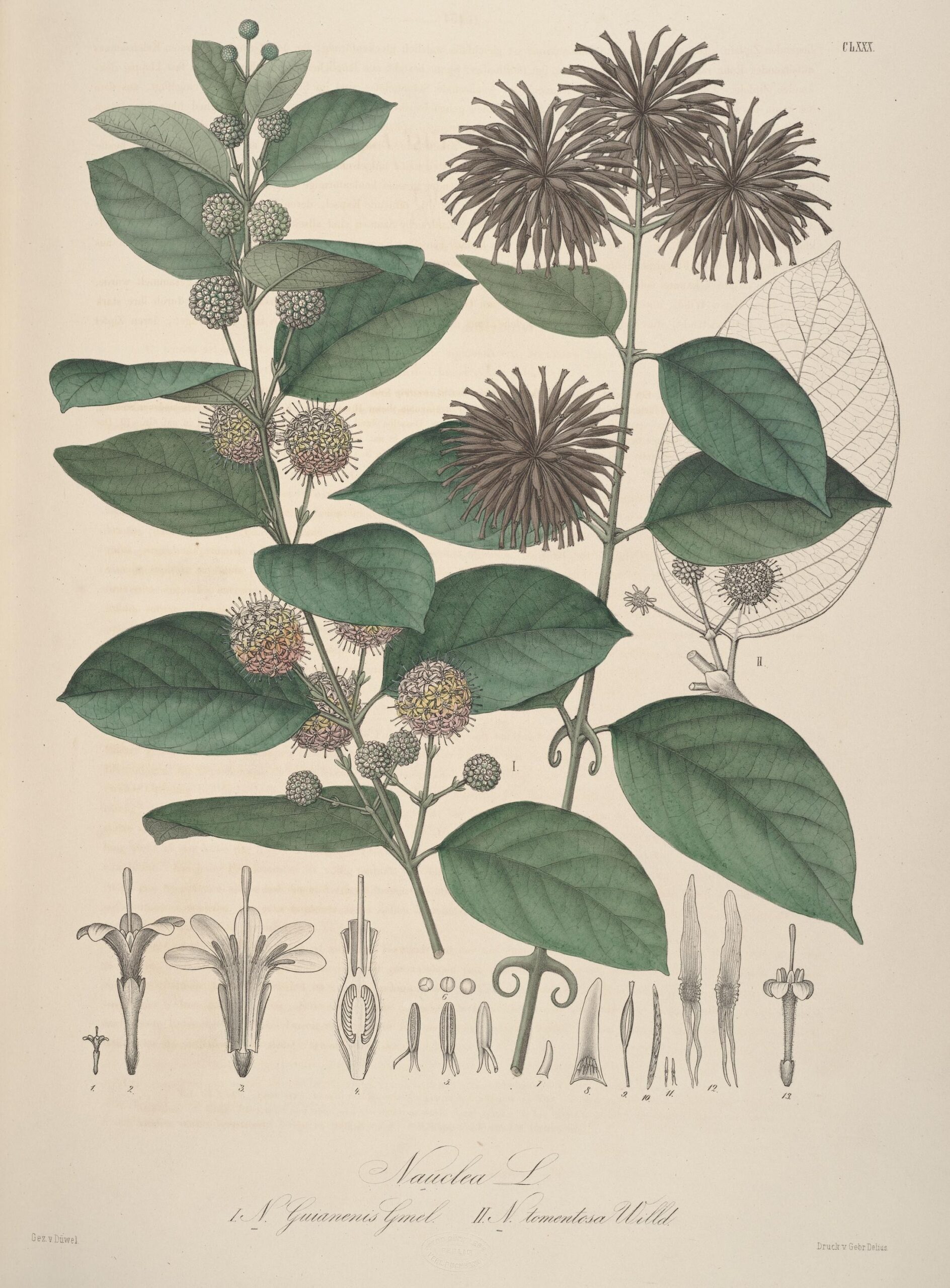
Cat’s claw belongs to the family Rubiaceae and is also known as “una de gato,” “samento,” and the “life-giving vine of Peru.” It is native to the tropical jungle of Central and South America, e.g., Peru, Brazil, Colombia, Ecuador, and Bolivia. Currently, it is cultivated in Peru. Cat’s claw was used in spirituality as an herb to restore balance between the body and spirit.
Cat’s claw uses are as follows:
- Managing pain and inflammation in arthritis
- As an immune support
- As a support in chemotherapy to improve the quality of life
Jump to section
Medical uses and ethnopharmacological profile of cat’s claw
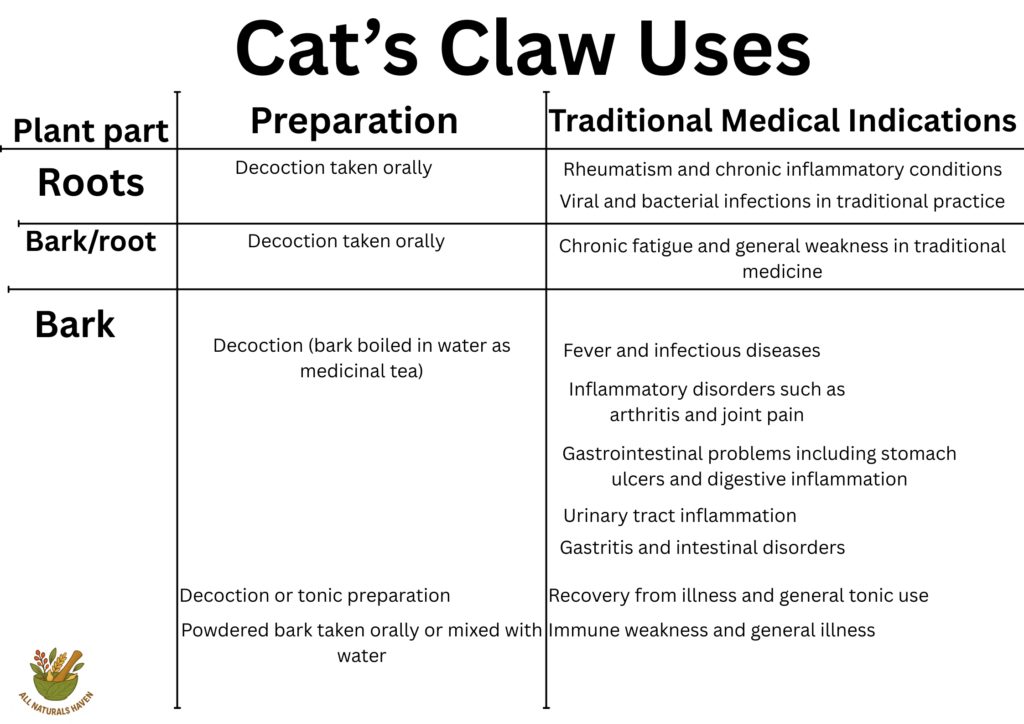
Traditional Uses
Used in alleviating symptoms of arthritis and joint pain. Used in cleansing the stomach and also to soothe symptoms of gastritis. It was also used in managing fevers and viral outbreaks. The bark was boiled and used as a wound wash to prevent infections. It was also used to aid in the recovery of postpartum symptoms and “maladies of blood.”
Clinical Uses and Research
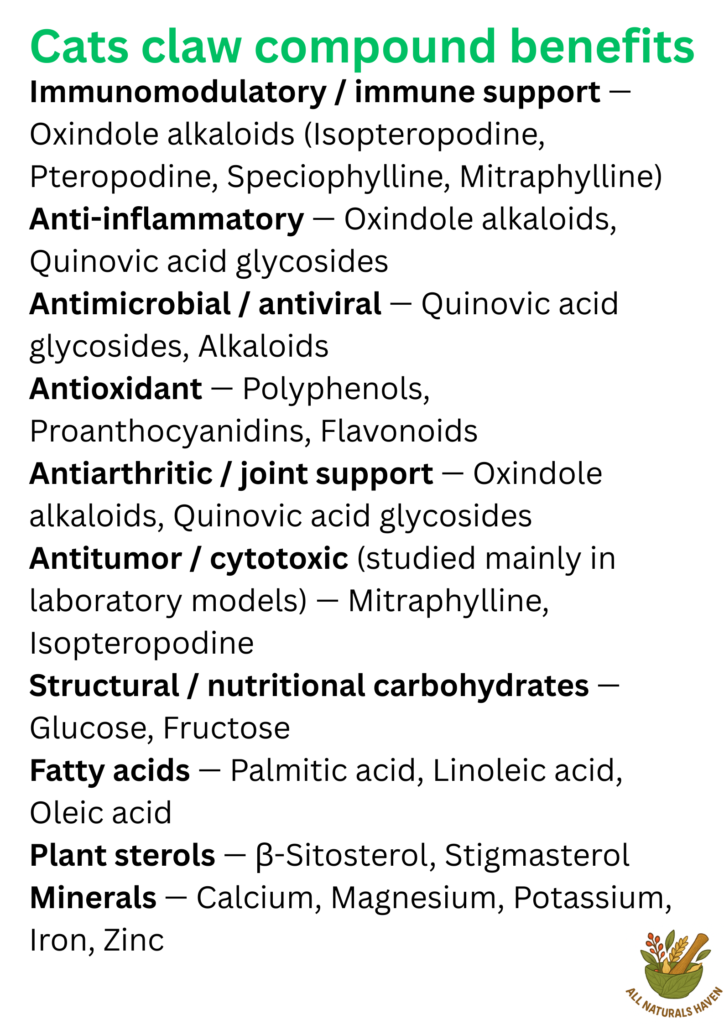
Cancer treatment support: In patients with solid tumors, inner dry bark extract at a dose of 100 mg thrice daily for 2 months showed an increase in quality of life and a decrease in fatigue; however, it did not reduce the tumor size. Oxindole alkaloids were identified to reduce oxidative stress and systematic inflammation.
In breast cancer studies, the standardized extract at a 300 mg daily dose during chemotherapy showed a decrease in chemotherapy-induced neutropenia and improved DNA repair. Mitraphylline stimulated myeloid progenitor cells, improving bodily repair. ( Araujo 2012)
Rheumatoid arthritis: Adults with arthritis who were given purified extract at a dose of 60 mg thrice daily for 24-52 weeks elicited a 53% reduction in painful joints and a decrease in associated swelling after 52 weeks. Pentacyclic oxindole alkaloids acted by modulating lymphocytes and reducing the production of TNF.
Vaccine response boost: In healthy volunteers, bark water-soluble extract at a dose of 350 mg daily for 2 months pre-vaccination showed novel activity and an increase in antibody titers after pneumococcal vaccine administration compared to placebo. Quinic acid modulated the B and T cell responses to antigens.
Immune support: In healthy male volunteers, a water-soluble extract of 250 or 350 mg daily for 8 weeks increased white blood cell count and increased DNA repair capacity in skin cells. Carboxyl alkyl esters enhanced the process of DNA repair and prolongation of lymphocyte survival.
In Vivo Uses and Research
Alzheimer’s: In a mouse model, inner bark oral extract at a dose of 100 mg/kg reduced the brain plaque load and improved short-term memory. Proanthocyanidins acted by inhibiting the formation of beta-amyloid fibril formation and TAU protein tangles. (Snow 2019)
UV skin damage: In a rat model with UV-induced DNA damage, aqueous extract at 160 mg/kg oral and topical application protected the skin against UV-induced skin cell death and faster repair of DNA strand breaks. This was through the action of quinic acid esters that upregulated DNA repair enzymes and reduced the levels of 8-OHdG.
Gastric ulcers: In indomethacin-ulcer-induced rats, an aqueous decoction of 1 mL daily (30 mg) decreased gastric mucosal damage and hastened the rate of healing of preexisting lesions. The compound polyphenols and tannins acted by scavenging peroxynitrite and inhibiting the expression of the iNOS gene.
In Vitro Uses and Research
Antiviral: In Vero cells infested with chikungunya, the aqueous extract showed a reduction of viral load through the action of alkaloids.
Human red blood cells: Aqueous extract laden with tannins and polyphenols stabilized the red blood cell membrane and protected it against lipid peroxidation. This was affirmed by a recorded inhibition of hemolysis. (Duchnowicz 2021)
Safety and Dosing profile of Cat’s Claw
Forms and Dosing
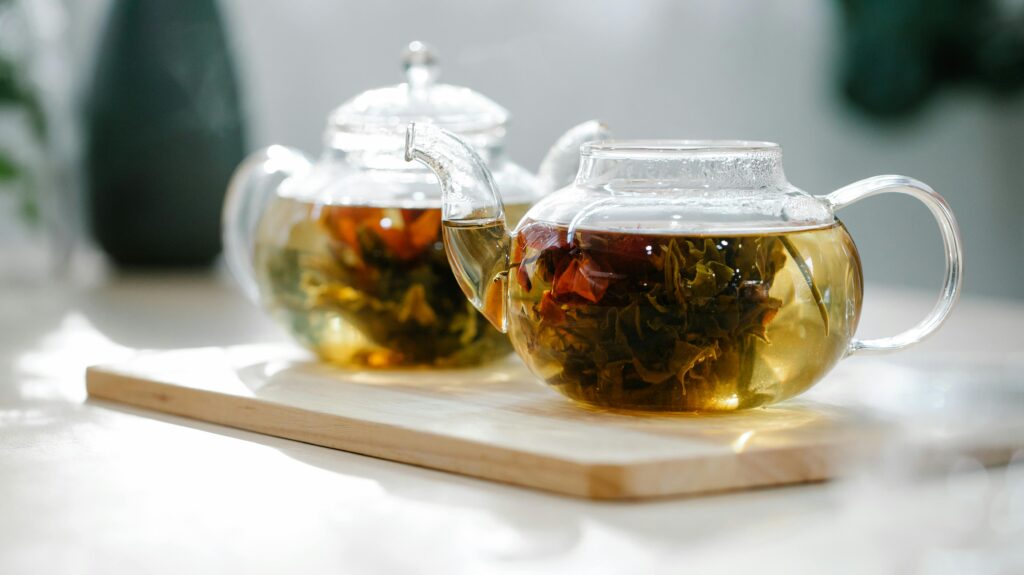
Infusions/Teas– 1-3 cups
Tinctures (1:2)– 2-4 mls twice/thrice a day
Capsules and tablets– 300-750mg
Concentrated powders– 1-2 grams
Creams and salves– applied thrice daily
Dried stem bark– 2-3 grams
Decoctions– 2-3 cups per day
- Rheumatoid arthritis- 60 mg a day
- Osteoarthritis- 100mg a day
- Adjunct in Cancer patients- 250-350 mg daily
- Immune modulation- 300-500 mg daily
- Inflammatory bowel- 20-60 mg of oxindole alkaloid bark extract a day
Note: It should not exceed a 1000 mg standardized dose; for barks, it can go up to 9 grams but not in everyday use.
Interactions
- Immunosuppressants- may reduce effectiveness
- Blood thinners- may increase risk of bleeding and bruising
- Hypertension medication- may increase risk of hypotension
- HIV medication (Protease inhibitors)- may alter drug bioavailability
- Statins, certain antifungals, certain antihistamines, and antiseizure medications may increase these drugs to unwanted levels.
Side effects
- Nausea and stomach pains
- Diarrhea and loose stools
- Occasional headaches and dizziness
- Allergy (rare)
- May worsen tremors in Parkinson’s disease
Contraindications
- Pregnancy and breastfeeding
- 2 weeks to surgery
- Children under 12 years
- In organ transplant
- In autoimmune diseases
- In kidney diseases
- In Parkinson’s disease
Cat’s Claw Description and Constituents
Compounds found in cat’s claw are pentacyclic alkaloids (mitraphylline and uncarine F), tetracyclic alkaloids (rhynchophylline and isorhynchophylline), polyphenols and flavonoids (catechins, proanthocyanidins, chlorogenic acid, and caffeic acid), triterpenes and phytosterols (campesterol, ursolic, and oleanolic acid), and glucosides.
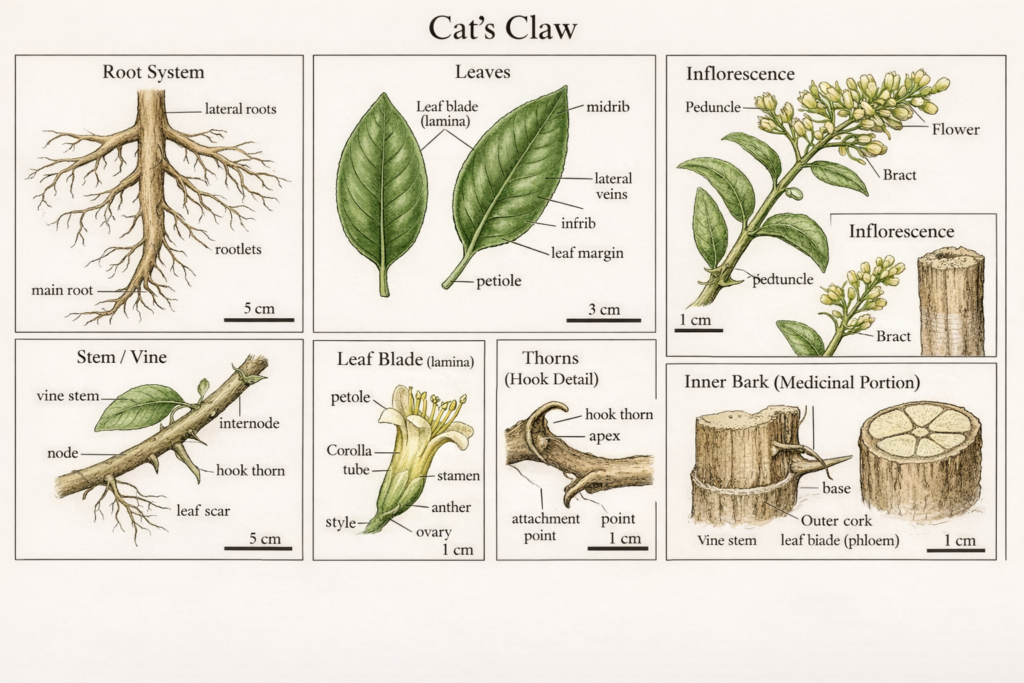
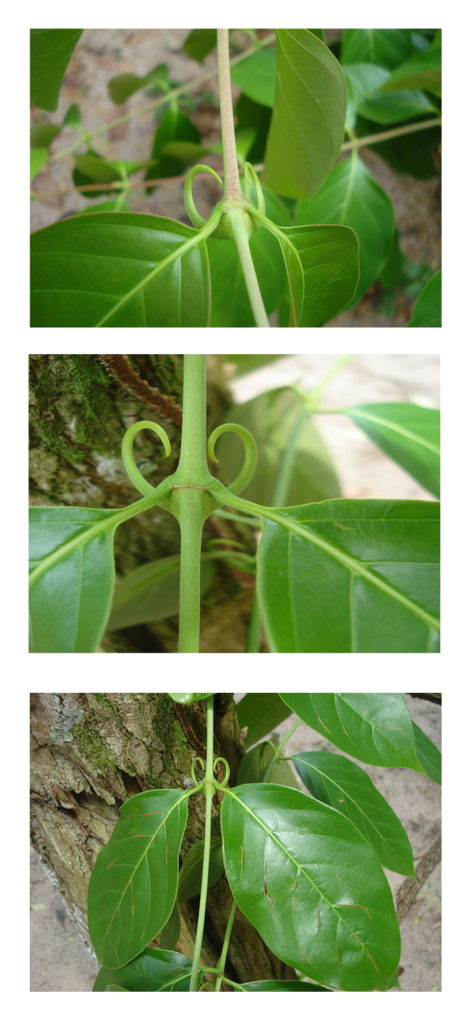
The plant roots are woody, robust, and deep-growing. Its stem is also woody with a brownish-grey outer bark that is fissured and longitudinally cracked. The inner bark is reddish brown to orange and may secrete sap when cut. The thorns or claws are small leaf appendages hardened into hooks, curved, and grown along the stems in pairs.
The leaves are oblong and covered with soft hairs on the underside. The flowers are small and trumpet-shaped with a yellowish-white to pale cream hue. The fruits are small, elongated capsules with tiny winged seeds inside.
Cat’s Claw Cultivation
The plant is propagated via seeds or semi-hardwood cuttings of about 8 inches. The seeds are sown lightly into the soil, while the cuttings are dipped into a rooting hormone and then placed into a misting chamber before being transplanted. It thrives on well-drained, nutrient-rich soils with a pH of 5-6.5, partial shade, and regular rainfall. It is planted near trees or large trellis system to ‘creep on.’
The plant is ready to harvest in about 8-10 years. Harvest by cutting the vine about 1 meter above the ground. Remove the outer bark, and the inner bark is stripped away in long pieces. For the leaves, they can be harvested 2-3 years after maturity. The harvest can be sun-dried. The bark can then be cut into smaller pieces or ground into powder. Store in airtight glass containers in a cool, dry, and dark place.
REFERENCES
de Paula LC, Fonseca F, Perazzo F, Cruz FM, Cubero D, Trufelli DC, Martins SP, Santi PX, da Silva EA, Del Giglio A. Uncaria tomentosa (cat’s claw) improves quality of life in patients with advanced solid tumors. J Altern Complement Med. 2015 Jan;21(1):22-30. doi: 10.1089/acm.2014.0127. Epub 2014 Dec 11. PMID: 25495394.
Mur, Erich & Hartig, Frank & Eibl, Günther & Schirmer, Michael. (2002). Randomized double-blind trial of an extract from the pentacyclic alkaloid chemotype of Uncaria tomentosa for the treatment of rheumatoid arthritis. The Journal of Rheumatology. 29. 678-81.
S. Lamm, Y. Sheng, R.W. Pero, et al. 2001. Persistent response to pneumococcal vaccine in individuals supplemented with a novel water-soluble extract of Uncaria tomentosa, C-Med-100®, Phytomedicine, Volume 8, Issue 4, 2001, Pages 267-274.ISSN 0944-7113,https://doi.org/10.1078/0944-7113-00046.
(https://www.sciencedirect.com/science/article/pii/S0944711304700392)
Sheng, Yeap & Li, L & Holmgren, Kristin. (2001). DNA repair enhancement of aqueous extracts of Uncaria tomentosa in a human volunteer study. Phytomedicine : international journal of phytotherapy and phytopharmacology. 8. 275-82. 10.1078/0944-7113-00045.
Sheng Y, Bryngelsson C, Pero RW. Enhanced DNA repair, immune function and reduced toxicity of C-MED-100, a novel aqueous extract from Uncaria tomentosa. J Ethnopharmacol. 2000 Feb;69(2):115-26. doi: 10.1016/s0378-8741(99)00070-7. PMID: 10687868.
Sandoval-Chacón, , Thompson, , Zhang, , Liu, , Mannick, , Sadowska-Krowicka, , Charbonnet, , Clark, and Miller, (1998), Antiinflammatory actions of cat’s claw: the role of NF-κB. Alimentary Pharmacology & Therapeutics, 12: 1279-1289. https://doi.org/10.1046/j.1365-2036.1998.00424.x
de Lima RC, Valente LMM, Familiar Macedo D, de-Oliveira-Pinto LM, Dos Santos FB, Mazzei JL, Siani AC, Nunes PCG, de Azeredo EL. Antiviral and Virucidal Activities of Uncaria tomentosa (Cat’s Claw) against the Chikungunya Virus. Viruses. 2024 Feb 27;16(3):369. doi: 10.3390/v16030369. Erratum in: Viruses. 2025 Sep 16;17(9):1244. doi: 10.3390/v17091244. PMID: 38543735; PMCID: PMC10974475.
Leave a Reply