
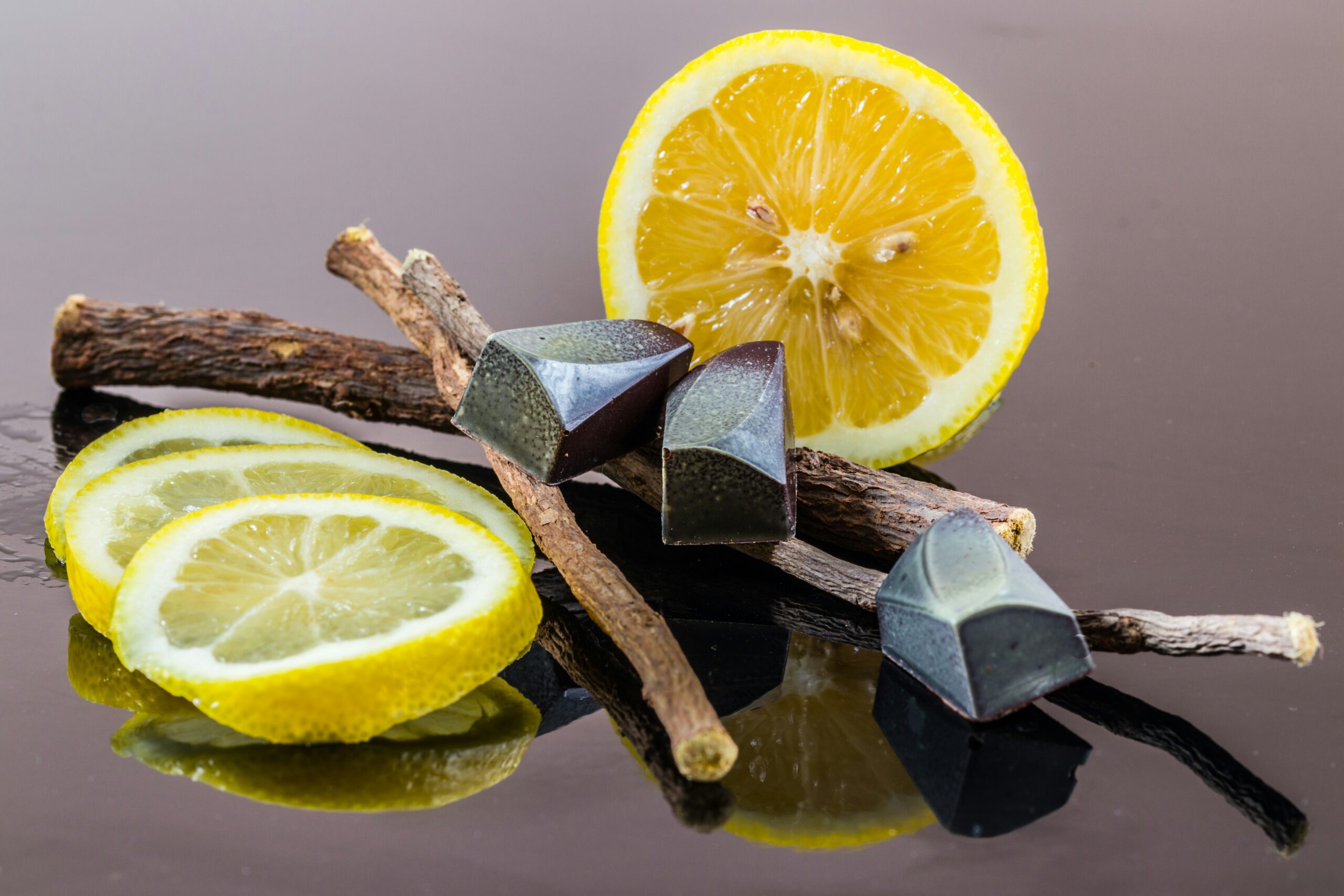
Licorice/liquorice is a sweet-tasting herb also known as “gan cao,” “irq-al-sus,” “regaliz,” and “liquiriza.” It belongs to the family Fabaceae and is native to West Asia, North Africa, and Southern Europe. It is currently cultivated in Turkey, Iran, China, southern Russia, India, California, and Afghanistan.
Licorice uses are:
- Alleviating indigestion and peptic ulcers
- Fastening the healing of mouth sores
- In chronic bronchitis as an expectorant
- Soothing postoperative sore throat
- Topically in dermatitis and hyperpigmentation
- Liver support in nonalcoholic fatty liver disease
- Support treatment in polycystic ovarian syndrome
Jump to section
Medicinal Uses and ethnopharmacological profile of Liquorice
Traditional Uses
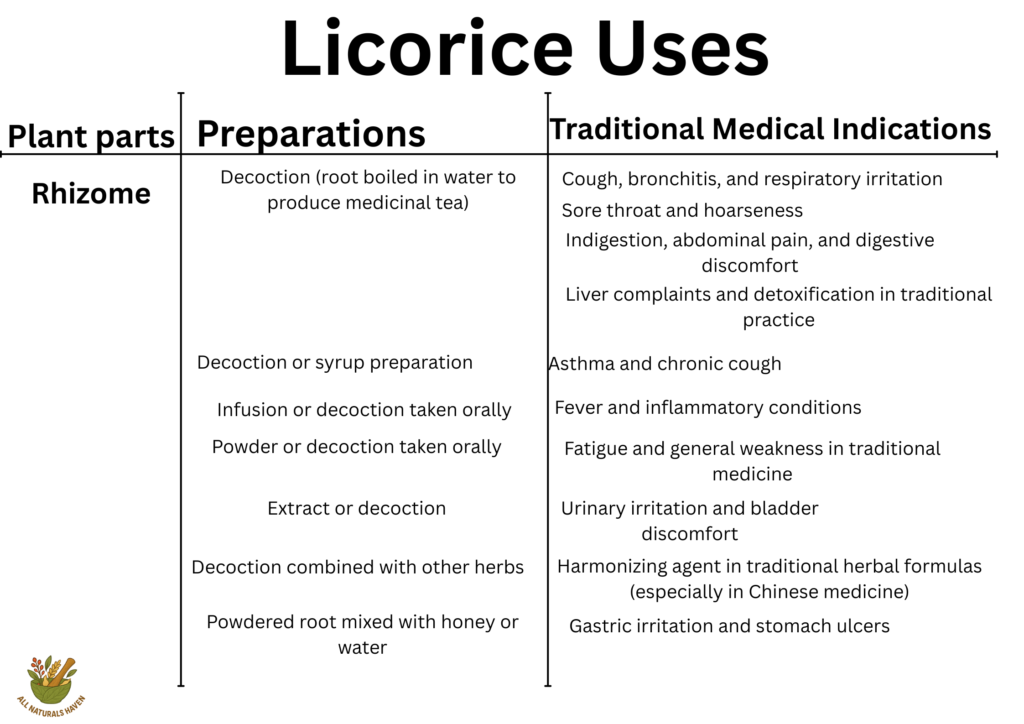
In traditional Chinese medicine, it was used in the harmonization and coordination of herbal formulations. It was also used as a digestive tonic for the stomach (ulcers, constipation, pain) and liver. It was a remedy for dry coughs, sore throats, and colds. In India, it was mixed with milk and used as a remedy for soothing vocal cords and boosting memory. Topically, it was used as a poultice to soothe wounds.
Clinical uses and Research
Upper respiratory tract support: In self-defense soldiers of Japan, intravenous purified glycyrrhiza root (0.2%) at a dose of 40 ml achieved a decrease in headache, sore throat, and cough duration. In another study, the extract (0.5 g in 30 ml gargled) showed activity against postoperative sore throat and cough. The compound glycyrrhizin acted by modulation of the immune system and inhibition of virus growth.
Gastroesophageal reflux disorder (GERD): Standardized root extract at a dose of 75 mg twice daily for 28 days exhibited a 51% reduction in symptoms like heartburn, regurgitation, and abdominal pain. Glabridin and flavonoids acted via inhibition of the pathogen H. pylori and reduction of inflammatory cytokines that worsen acidity.
In dyspepsia, root flavonoid-rich extract at a dose of 75 mg twice daily for 30 days protected the gut mucosa through stimulation of production of mucus and anti-inflammatory agents. This improved symptoms like fullness and bloating.
Covid -19 adjuvant: In hospitalized patients, standardized root capsules administered at a dose of 5 ml thrice daily for 7 days decreased mean hospital stay and increased oxygen saturation in patients. Liquiritin/glycyrrhizin inhibited viral spike protein binding to ACE2 and acted as an anti-inflammatory agent. (Pourhamad 2022)
Mouth ulcers: In a systemic review with root aqueous/alcoholic extract 1-5% topical use, there was an exhibition of faster healing time of between 4 and 8 days and also pain reduction. Glycyrrhizin increased epidermal growth factors as well as inhibiting the action of Streptococcus mutans.
Metabolic syndrome: In 7 healthy volunteers, root supercritical carbon dioxide extract at 300 mg daily for 12 weeks exhibited reduction in low-density lipoprotein and HbA1c levels and body fat. There was downregulation of gluconeogenesis and upregulation of beta oxidation via the activity of glabridin.
In Vivo Uses and Research
Memory impairment: In albino mice, root aqueous extract at doses of 75, 150, and 300 mg/kg for days was able to reverse scopolamine-induced amnesia and increase spatial memory. Liquiritin and glabridin acted via inhibition of the enzyme acetylcholinesterase. (Dhingra 2004)
Wound healing: In Dawley rats, root methanolic topical gel (5-10%) applied once daily exhibited a 95% wound closure rate by day 14 alongside faster epithelialization. This was through stimulation of collagen synthesis and TGF-beta expression. The identified active compounds were licochalcone A and glycyrrhetinic acid.
Depression/Anxiety: In male mice, root ethanolic extract at doses of 50, 100, and 150 mg/kg orally showed antidepressant action comparable to imipramine while also reducing immobility time. Isoliquiritigen acted by modulating MAO-A receptors and increasing serotonin levels.
In Vitro Uses and Research
Skin brightening: In human melanocytes, the root glabridin isolate decreased melanin synthesis without cellular toxicity. This was through the inhibition of tyrosinase enzymes.
Antiviral: In Vero cell cultures from monkey kidneys, the root glycyrrhizin pre-compound acted against SARS-related coronavirus replication. This was through inhibition of viral replication and penetration. (Cinatl 2003)
Anticancer: In human melanoma cells, root ethanolic extract rich in isoliquiritigenin decreased cancer cell viability and migration. This was through induction of apoptosis via the mitochondrial pathway.
Safety and Dosing Profile of Liquorice
Forms and Dosing
Whole root sticks
Dried root
Powders– 1-5 grams
Infusions/teas– 1 cup thrice
Standardized capsules and tablets– 380-400
Tinctures (1:1)- 2-4 mls thrice
- Peptic ulcers/ gastritis- 380-400mg chewable tablets 2/3 times a day before meals
- Sore throat/chronic cough- infusion(3-5 grams) thrice daily
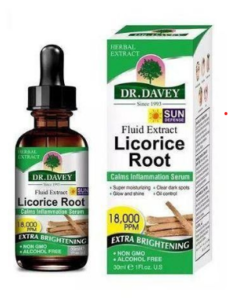
Note: The safe limit is 100 mg, as there have been reported toxicities from this drug with high doses. Use should also be restricted to short-term only.
Interactions
- Diuretics- may lead to low potassium levels
- Digoxin- may increase toxicity and side effects
- Corticosteroids- may increase side effects
- NSAIDs- risk of irritation of the liver
- Hormonal medication- risk of breakthrough bleeding and decreased effectiveness
Side effects
- Edema and hypokalemia
- Spike in hypertension, arrhythmias, and palpitations
- Muscle weakness, lethargy and paralysis (in huge doses)
- Lower testosterone/libido
- Menstrual irregularities
- Headaches
Contraindications
- Kidney and liver disorders
- Congestive heart failure
- Hormonal issues
- Metabolic issues
- Pregnancy and breastfeeding
Liquorice Description and Composition
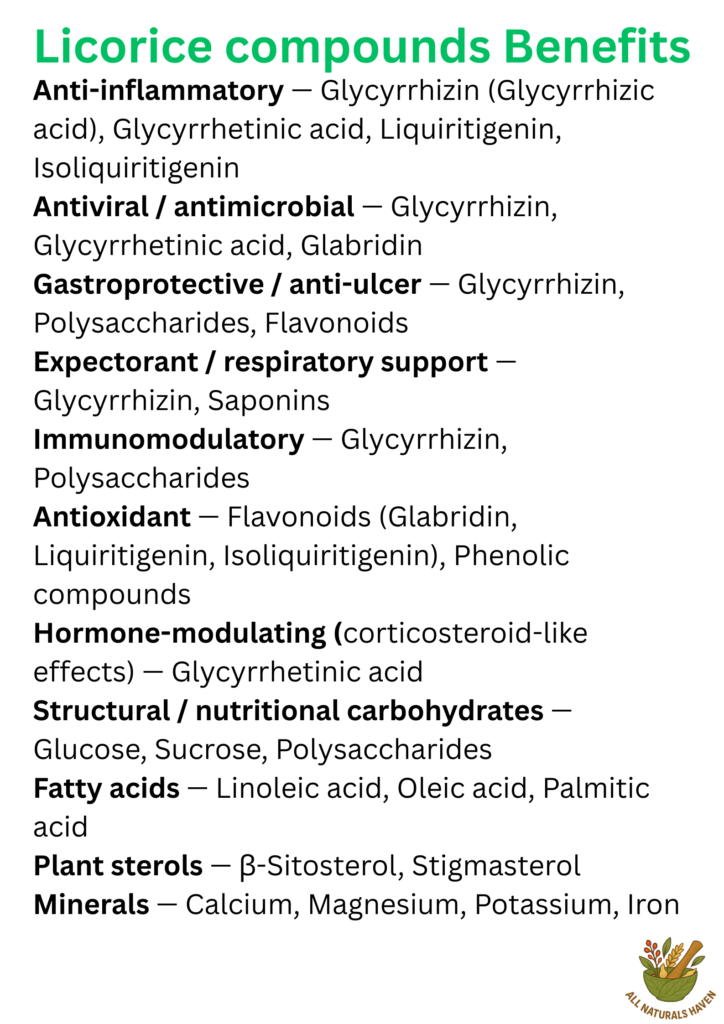
Licorice contains various compounds like triterpene saponins (glycyrrhizin and ural saponins), flavonoids (liquiritin, glabridin, liquiritigenin, and licochalcones), coumarins and phytosterols (umbelliferon, herniarin, and stigmasterol), polysaccharides, organic acids, and essential oils.
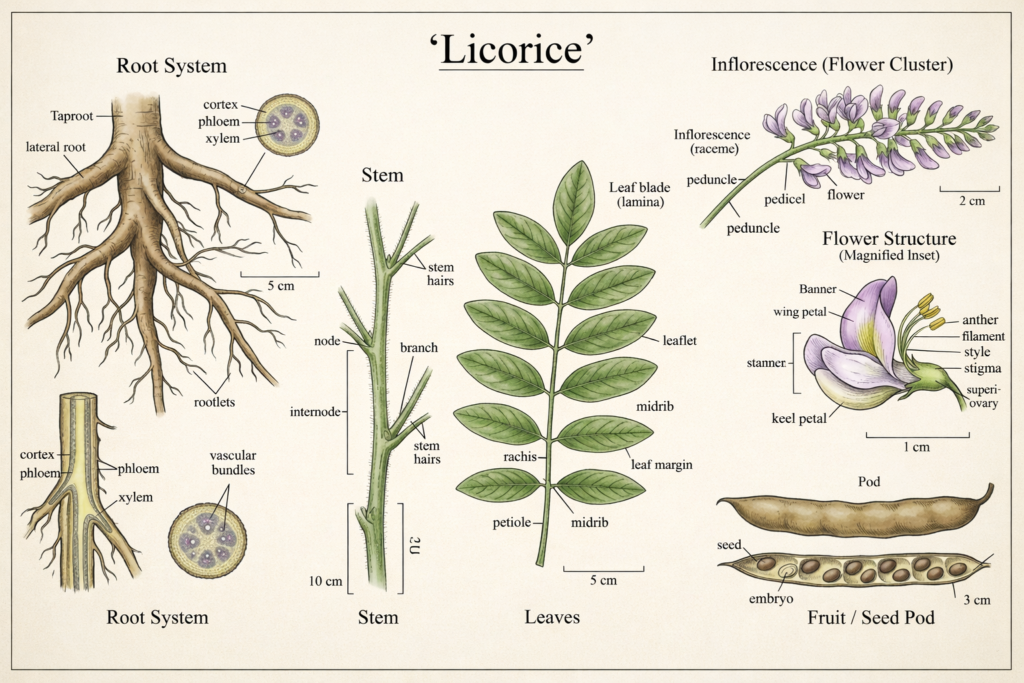
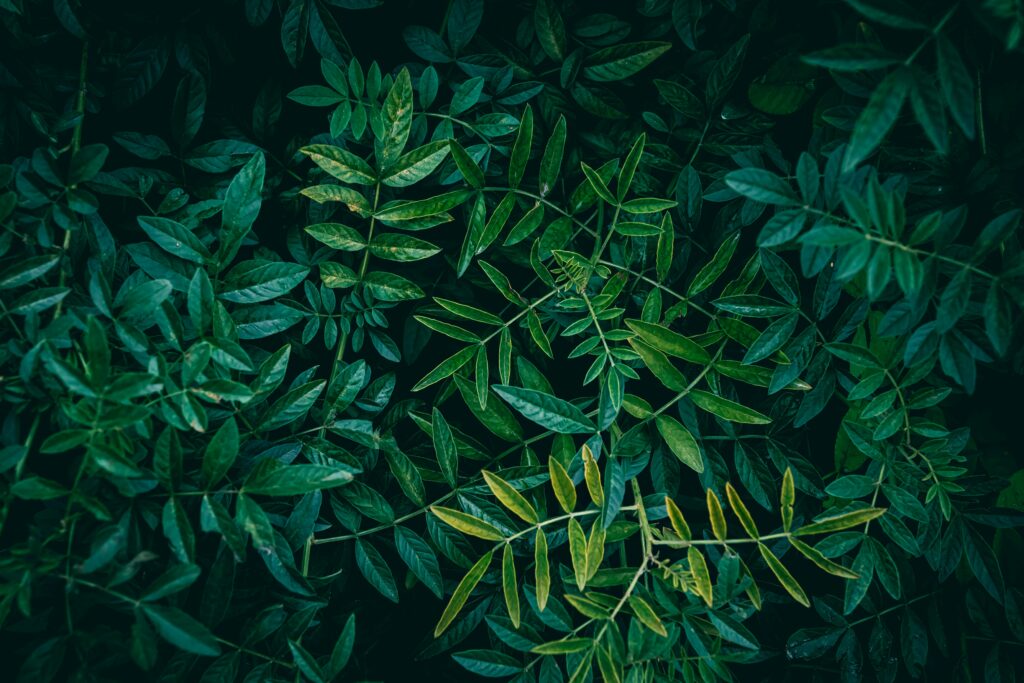
The plant has leaflets containing about 9-17 individual leaves, which are oval and dark green with a slightly sticky underside. Its flowers are upright spikes that emerge from axils. It has a butterfly-like shape with colors ranging from pale blue, purple, and lavender. The fruits are in seed pods, which are smooth-surfaced, small, flattened, and oblong with 2-5 small kidney-shaped seeds that are dark brown in color.
Liquorice Cultivation
Licorice is a hardy perennial plant that loves heat. It is propagated via seeds that are first soaked and stratified. The preferred propagation method, however, is via rhizome. It thrives in deep, well-drained sandy or loamy soils and is planted in spring. It takes around 3-4 years to mature. The plant is ready for harvesting when the foliage has a dried bark. Harvesting is done by simply digging the root up and leaving some in the soil for autogeneration.
Clean the roots well, but do not peel them, and slice them into sticks. Proceed to dry them in shaded, well-ventilated areas. Once dry, store in an airtight jar away from sunlight and humidity. Whole/sliced produce lasts up to 3 years, while ground powder lasts up to a year.
REFERENCES
Ruetzler K, Fleck M, Nabecker S, Pinter K, Landskron G, Lassnigg A, You J, Sessler DI. A randomized, double-blind comparison of licorice versus sugar-water gargle for prevention of postoperative sore throat and postextubation coughing. Anesth Analg. 2013 Sep;117(3):614-621. doi: 10.1213/ANE.0b013e318299a650. Epub 2013 Aug 6. PMID: 23921656.
Raveendra, Kadur Ramamurthy, Jayachandra, , Srinivasa, Venkatappa, Sushma, Kadur Raveendra, Allan, Joseph Joshua, Goudar, Krishnagouda Shankargouda, Shivaprasad, Hebbani Nagarajappa, Venkateshwarlu, Kudiganti, Geetharani, Periasamy, Sushma, Gopalakrishna, Agarwal, Amit, An Extract of Glycyrrhiza glabra (GutGard) Alleviates Symptoms of Functional Dyspepsia: A Randomized, Double-Blind, Placebo-Controlled Study, Evidence-Based Complementary and Alternative Medicine, 2012, 216970, 9 pages, 2012. https://doi.org/10.1155/2012/216970
Murck H (2020) Symptomatic Protective Action of Glycyrrhizin (Licorice) in COVID-19 Infection?. Front. Immunol. 11:1239. doi: 10.3389/fimmu.2020.01239
Dorsareh F, Vahid-Dastjerdi G, Bouyahya A, Zarshenas MM, Rezaie M, Yang WM, Amiri-Ardekani E. Topical Licorice for Aphthous: A Systematic Review of Clinical Trials. Iran J Med Sci. 2023 Sep;48(5):437-447. doi: 10.30476/IJMS.2022.94467.2576. PMID: 37786470; PMCID: PMC10541548.
Hattori, A., Takemoto, M., Ishikawa, T., Maezawa, Y., Koshizaka, M., Tokuyama, H., … Yokote, K. (2019). Metabolic effects of glabridin in healthy volunteers and patients with type 2 diabetes: A pilot study. Cogent Food & Agriculture, 5(1). https://doi.org/10.1080/23311932.2019.1665943
Assar DH, Elhabashi N, Mokhbatly AA, Ragab AE, Elbialy ZI, Rizk SA, Albalawi AE, Althobaiti NA, Al Jaouni S, Atiba A. Wound healing potential of licorice extract in rat model: Antioxidants, histopathological, immunohistochemical and gene expression evidences. Biomed Pharmacother. 2021 Nov;143:112151. doi: 10.1016/j.biopha.2021.112151. Epub 2021 Sep 8. PMID: 34507115.
Dhingra, Dinesh & Sharma, Amandeep. (2006). Antidepressant-like activity of Glycyrrhiza glabra L. in mouse models of immobility tests. Progress in neuro-psychopharmacology & biological psychiatry. 30. 449-54. 10.1016/j.pnpbp.2005.11.019.
YOKOTA, T., NISHIO, H., KUBOTA, Y. and MIZOGUCHI, M. (1998), The Inhibitory Effect of Glabridin from Licorice Extracts on Melanogenesis and Inflammation. Pigment Cell Research, 11: 355-361. https://doi.org/10.1111/j.1600-0749.1998.tb00494.x
Kang, Min & Jang, Gwi & Ji, Yun-Jeong & Lee, jeong hoon & Choi, Su & Hyun, Tae & Kim, Hyung. (2021). Antioxidant and Anti-Melanogenic Activities of Heat-Treated Licorice (Wongam, Glycyrrhiza glabra × G. uralensis) Extract. Current Issues in Molecular Biology. 43. 1171-1187. 10.3390/cimb43020083.
Shijian Xiang, Lina Jian, et al 2023. Isoliquiritigenin suppresses the progression of malignant melanoma via targeting H2A.Z.1-E2F1 pathway,Biochemical Pharmacology,Volume 218,2023,115859,
ISSN 0006-2952,https://doi.org/10.1016/j.bcp.2023.115859.
(https://www.sciencedirect.com/science/article/pii/S0006295223004501)
Leave a Reply