
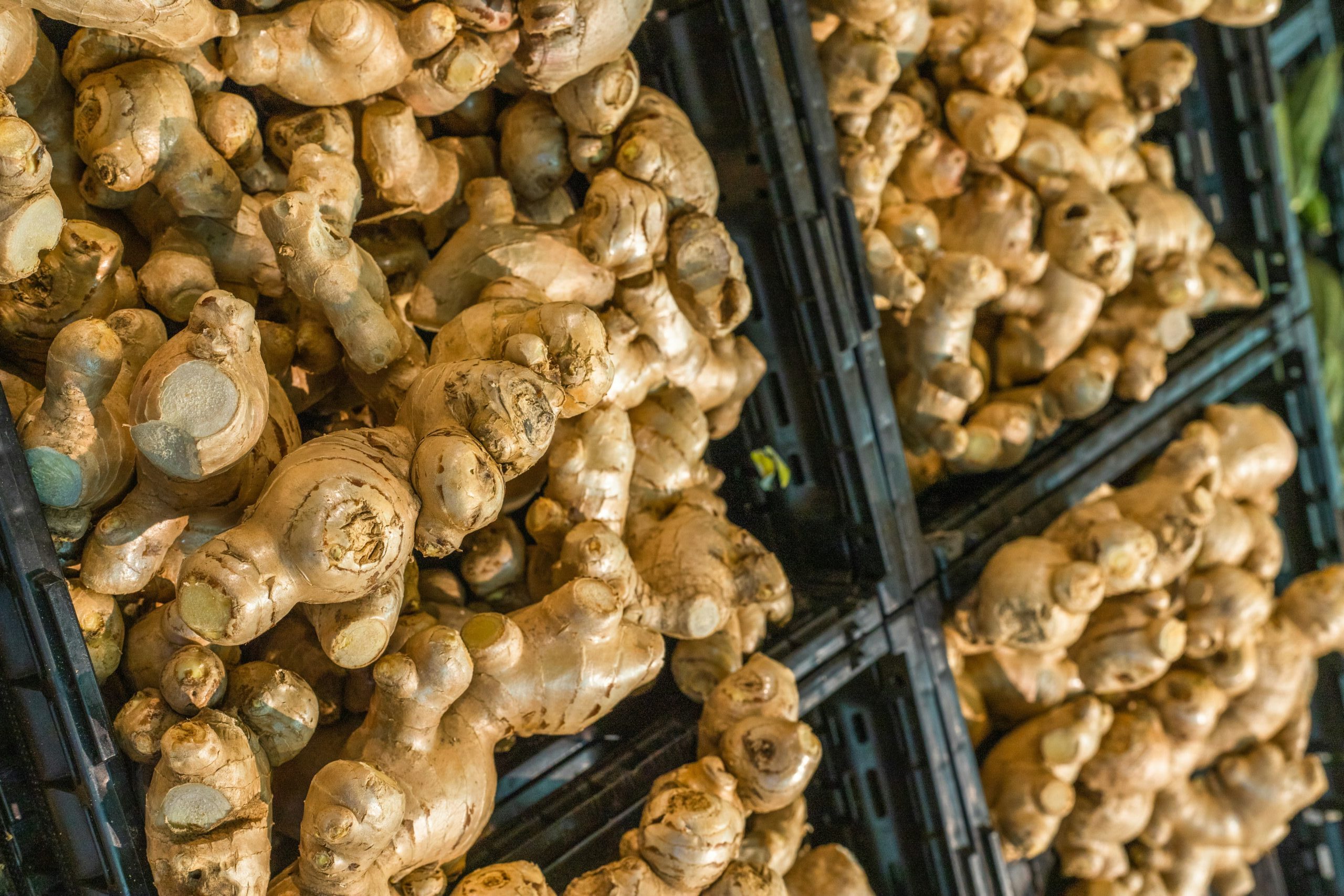
Ginger is a common culinary herb belonging to the family Zingiberaceae. It is commonly known as adrak, sringasera, jiang, tangawizi, shaga, and zanjabil. It is native to the islands of Southeast Asia and is currently cultivated in India, Jamaica, China, Australia, and Peru.
Ginger is used as follows:
- Manage nausea and motion sickness
- In managing period pain and osteoarthritis/muscle aches
- Improve fasting blood glucose
- Lower triglycerides and increase high-density lipoproteins
- Alleviating dyspepsia
Jump to section
Medical Uses and ethnopharmacological profile of Ginger
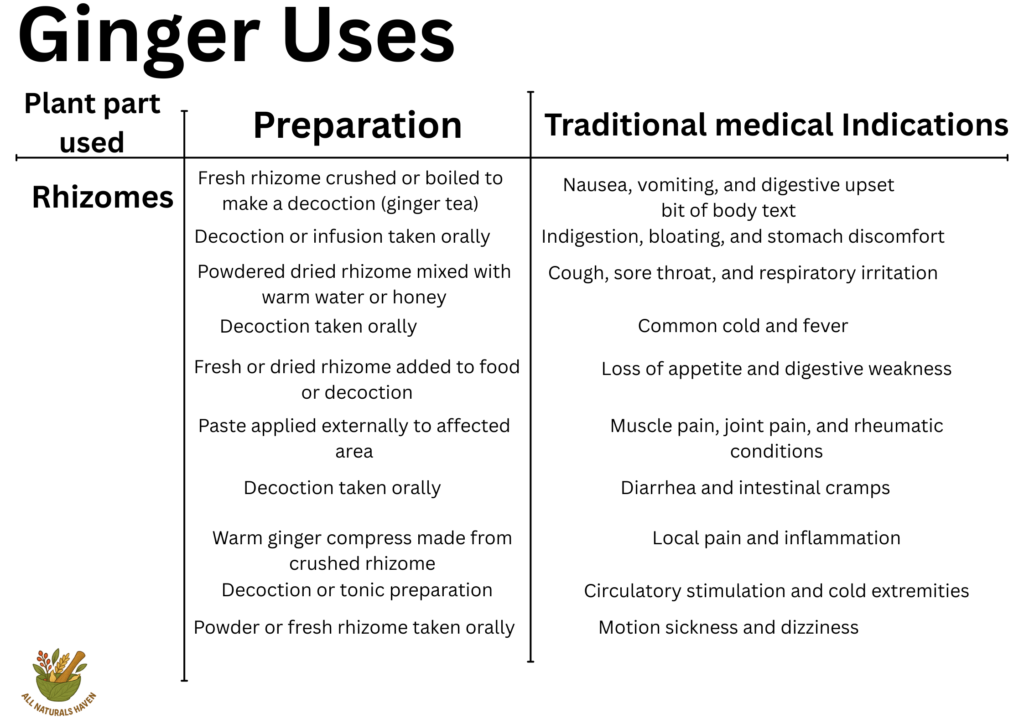
Traditional Uses
The fresh root was used in common colds and coughs and as an ingredient in remedies for detoxifying other herbs. It was also used to encourage menstruation and alleviate nausea. The dry herb was used as a stomachic, digestive aid, lung tonic, and joint inflammation (amavata) treatment. It is part of the trikatu formula alongside black and long pepper to enhance the bioavailability of other nutrients.
Clinical Uses and Research
Pregnancy nausea: Rhizome powdered capsules at a dose of 1-1.5 grams for 4 to 21 days exhibited action comparable to vitamin B6 in inhibiting nausea and reducing nausea scores. This was linked to the activity of 6-gingerol and shogaol, which act by antagonizing serotonin and cholinergic gut receptors, altering gut motility.
Osteoarthritis: Root ethanolic extract at a dose of 255 mg twice daily for 6 weeks elicited a reduction of knee pain after periods of standing or walking. This was due to the activity of gingerols and shogaols, which acted via inhibition of cyclooxygenase and lipoxygenase pathways, thus suppressing pro-inflammatory cytokines, which are usually enhanced in conditions like osteoarthritis.
Type 2 diabetes mellitus: Supplementation of 2 grams of powder daily over 12 weeks reduced HbA1c levels by 10% and fasting sugar levels by 12%. This was due to the actions of 6-gingerol via increasing insulin sensitivity and inhibition of hepatic gluconeogenesis.
Primary dysmenorrhea: Powder extract rich in gingerols provided pain relief comparable to mefenamic acid and ibuprofen in period pain. This was achieved with a dosing of 250 mg four times daily for three days. The mechanism of action was extrapolated to be the inhibition of prostaglandin synthesis, thereby naturally inhibiting pain.
Dyslipidemia: Standardized 4-gram powdered capsules taken for 45 days decreased levels of triglycerides and low-density lipoproteins while increasing the levels of high-density lipoproteins. Phenolics in the powdered extract acted by activating hepatic cholesterol and enhancing the conversion of cholesterol to bile acids. ( Talaei 2016)
In Vivo Uses and Research
Anti-inflammatory: In a rat paw edema model, a single dose of 100 or 400 mg/kg rhizome methanolic extract was able to reduce acute inflammatory swelling by up to 60%. This was through the action of 6-shigaol, which reduces the expression of iNOS and cyclooxygenase 2, both inflammation inducers, thus reducing inflammatory responses.
Weight management: In a mouse model, mice with high fat content were given a 1% ginger powder dietary supplement for 16 weeks. It resulted in decreased body weight gained and visceral fat accumulation. This was linked to the activity of zingerone and gingerols that increased fatty acid oxidation in adipose tissues via thermogenic activation. ( Misawa 2015)
Neuropathic pain: In mice with neuropathic pain, an intraperitoneal dose of 50 mg/kg for 7 days of rhizome ethanolic extract was able to reduce oxidative stress in the spinal cord. 6- Gingerol was believed to act by modulating NMDA receptor signaling.
In Vitro Uses and Research
Anti-cancer: Ethanolic/acetone extract when applied to human colorectal/ovarian cancer cell lines exhibited reduction of angiogenesis factors and inhibited tumor cell proliferation. This was thought to be through the action of 6-gingerol and 10-gingerol that induce apoptosis via P53 upregulation.
Joint preservation: 6-gingerols in ginger extract elicited preservation of collagen matrix structure and reduction of nitric production in joints when applied to human chondrocytes. This was noted to be through inhibition of metalloproteinases that are supposed to degrade joint cartilage. ( Reinhard 2005)
Antibacterial: In disc diffusion, methanolic and essential oil extracts worked against Streptococcus aureus and Escherichia coli through disruption of cell membranes and inhibition of biofilm formation. Compounds linked to this activity included citral, bisabolene, and 6-gingerol. ( Mostafa 2018)
Safety and Dosing profile of Ginger
Forms and Dosing
Fresh rhizomes 1-2 grams daily chewed or for culinary uses
Crystallized/candied– used for energy and mild nausea
Pickled- 20-30 grams a day
Juice rhizome extract– 10-20ml a day
Essential oils– dillute drops as needed in carrier oil
Infusions/ teas- 1-2 grams dissolved in water. Taken up to 3 times a day.
Powdered capsules/tablets- 250mg-1000 mg in divided doses a day depending on the condition being treated.
- Nausea and vomitting- 500mg upto 4 times daily
- Joint pain and osteoarthritis- 500-1000 mg twice a day
- digestive aid(dyspepsia)- 500 mg up to twice a day
- Menstrual pain- 250 mg up to 4 times a day
- Metabolic effects- 1-2 grams in divided doses a day
/product/34/7510623/1.jpg?1966)
NB: Do not exceed 4 grams a day, and take standardized extracts in a cyclic manner. In culinary settings it can be used daily.
Interactions
- Blood thinners like clopidogrel and aspirin increase the risk of bleeding, as ginger has anti-thromboxane activity.
- Antidiabetic medication like insulin- risk of hypoglycemia
- Anti-hypertensives like amlodipine and nifedipine- ginger has mild calcium channel blocking activity and may potentiate drugs, leading to hypotension.
Side effects
- Heartburn
- Mild diarrhea
- Mouth/throat irritation
- Stomach discomfort
- Increased flatulence
Contraindications
- Gallstones- Ginger increases bile secretion, which increases the pain of stones obstructing the bile duct.
- Bleeding disorders
Ginger Description And composition
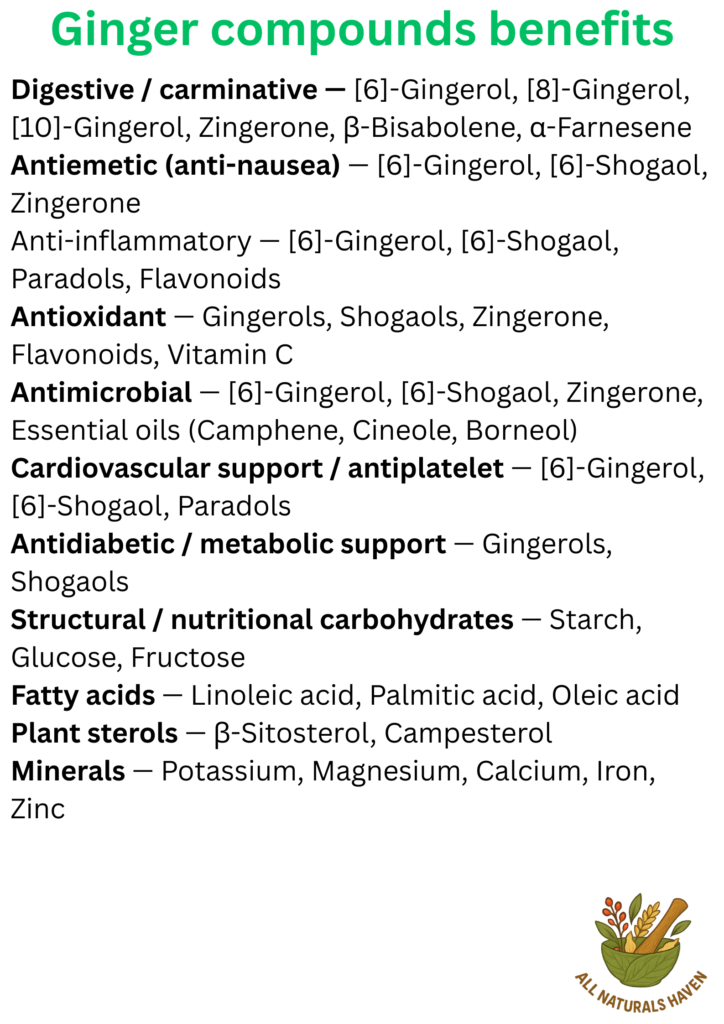
Ginger contains phenolics like gingerols, shogaols, zingerone, and paradols. It also has volatile essential oils like zingiberone, ‘ar-curcumene,’ citral, and geranial. Other compounds are zingibain, lipids, carbohydrates, proteins, minerals, and vitamins (C, B6, magnesium, and potassium).
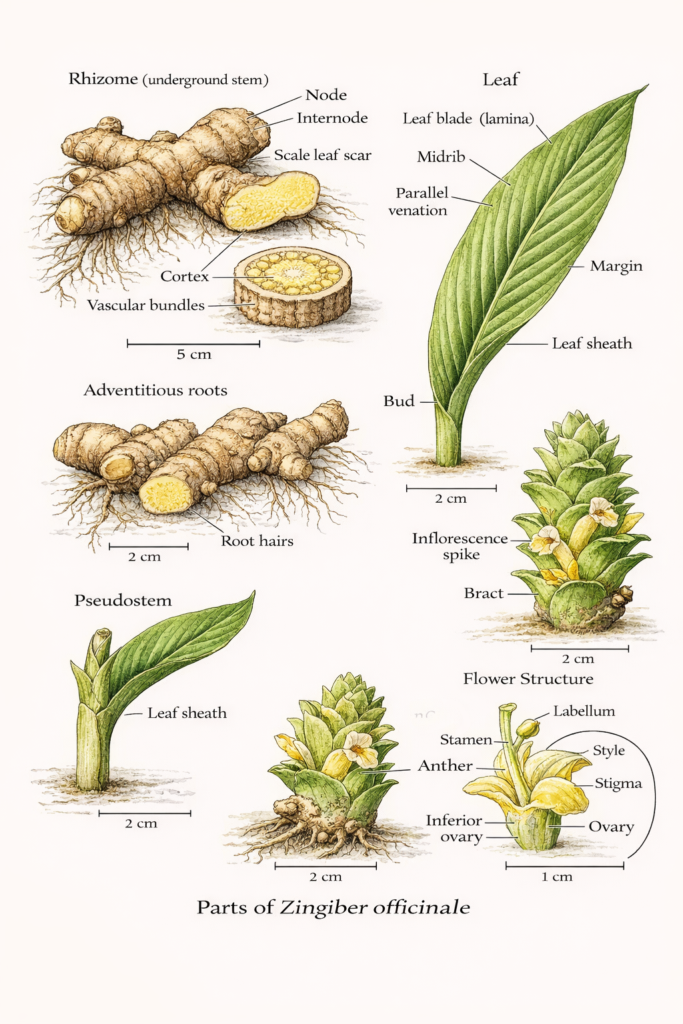
Ginger leaves are spear-like shaped and narrowly alternate on the pseudostem. It has inflorescence bracts/flowers that are small and yellowish with purplish markings in between the bracts. The pseudostem shoots are overlapping leaves that grow up to 4 feet, creating a vertical stalk that is green and soft. The rhizomes are knobby with irregular shapes, thin skin, and a brownish appearance. The inside of the rhizomes varies with species, with the flesh ranging from yellowish to pinkish pigmentation.
Ginger Cultivation
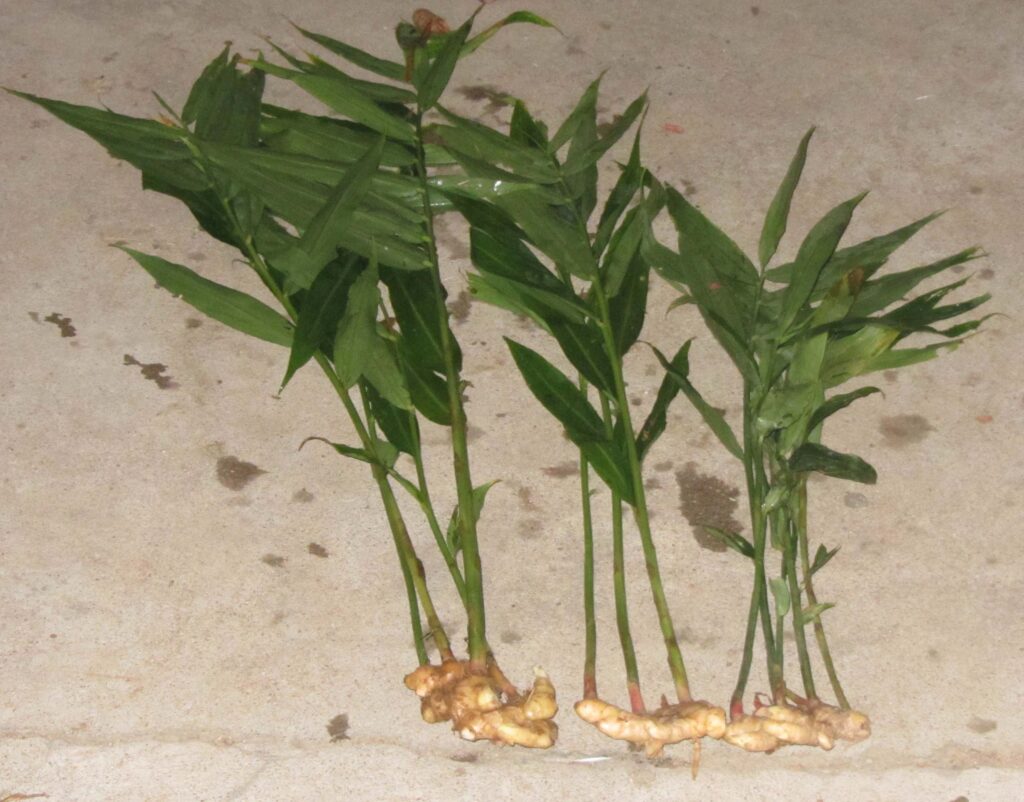
Ginger is propagated via rhizome cuttings. The cuttings have to be plump ginger hands with visible small buds at the tips. The ones brought from the stores should be soaked overnight to wash away any growth inhibitors. The rhizome is cut into 1 or 2 pieces, ensuring each piece has an eye, and let dry to prevent rotting.
They are planted 2–4 inches deep, 6–12 inches apart in early spring with the ‘eye’ facing upwards. It grows in rich, well-drained soils of pH 5.5-6.5. Add compost or fertilizer, if necessary, as ginger loves nutrient-rich soils. It does well in partial shade. Young harvest is done at around 5-7 months, which is best for collecting ginger for pickling purposes. Mature harvesting is done between 8 and 10 months, when leaves turn yellowish and stems begin to die.
Use special gardening forks to gently loosen the soil around the roots and pull out plant rhizomes. If growth is on pots, cut some rhizomes and allow the rest to continue with growth. Ginger can be refrigerated in Ziplock bags for up to 4 weeks and frozen for up to 6 months. Pickled ginger can last up to a year. Ground powder kept in tightly closed containers away from direct sunlight can also last close to a year.
REFERENCES
Firouzbakht M, Nikpour M, Jamali B, Omidvar S. Comparison of ginger with vitamin B6 in relieving nausea and vomiting during pregnancy. Ayu. 2014 Jul-Sep;35(3):289-93. doi: 10.4103/0974-8520.153746. PMID: 26664238; PMCID: PMC4649576.
Viljoen E, Visser J, Koen N, Musekiwa A. A systematic review and meta-analysis of the effect and safety of ginger in the treatment of pregnancy-associated nausea and vomiting. Nutr J. 2014 Mar 19;13:20. doi: 10.1186/1475-2891-13-20. PMID: 24642205; PMCID: PMC3995184.
Kast RE. Borage oil reduction of rheumatoid arthritis activity may be mediated by increased cAMP that suppresses tumor necrosis factor-alpha. Int Immunopharmacol. 2001 Nov;1(12):2197-9. doi: 10.1016/s1567-5769(01)00146-1. PMID: 11710548.
Arzati, Motahareh & Honarvar, Niyaz & Saedisomeolia, Ahmad & Anvari, Siyamand & Effatpanah, Mohammad & Arzati, Raoofe & Yekaninejad, Mir & Hashemi, Rezvan & Djalali, Mahmoud. (2017). The Effects of Ginger on Fasting Blood Sugar, Hemoglobin A1c, and Lipid Profiles in Patients with Type 2 Diabetes. International Journal of Endocrinology and Metabolism. In Press. 10.5812/ijem.57927.
Altman RD, Marcussen KC. Effects of a ginger extract on knee pain in patients with osteoarthritis. Arthritis Rheum. 2001 Nov;44(11):2531-8. doi: 10.1002/1529-0131(200111)44:11<2531::aid-art433>3.0.co;2-j. PMID: 11710709.
Ashmita Gurung,et al. 2022 Effectiveness of Zingiber Officinale (ginger) compared with non-steroidal anti-inflammatory drugs and complementary therapy in primary dysmenorrhea: A systematic review, Clinical Epidemiology and Global Health, Volume 18, 2022, 101152, ISSN 2213-3984, https://doi.org/10.1016/j.cegh.2022.101152 (https://www.sciencedirect.com/science/article/pii/S2213398422001944)
Grzanna R, Lindmark L, Frondoza CG. Ginger–an herbal medicinal product with broad anti-inflammatory actions. J Med Food. 2005 Summer;8(2):125-32. doi: 10.1089/jmf.2005.8.125. PMID: 16117603.
Park, K.-T.; Jo, H.; Kim, B.; Kim, W. Red Ginger Extract Prevents the Development of Oxaliplatin-Induced Neuropathic Pain by Inhibiting the Spinal Noradrenergic System in Mice. Biomedicines 2023, 11, 432. https://doi.org/10.3390/biomedicines11020432
Chauhan Niharika (2022). Pharmacological Aspects of 6-Gingerol: A Review . Agricultural Science Digest. 42(5): 528-533. doi: 10.18805/ag.D-5387.volume 42 issue 5 (october 2022) : 528-533, Doi: 10.18805/ag.D-5387
Leave a Reply