
Category: FRUITS
-
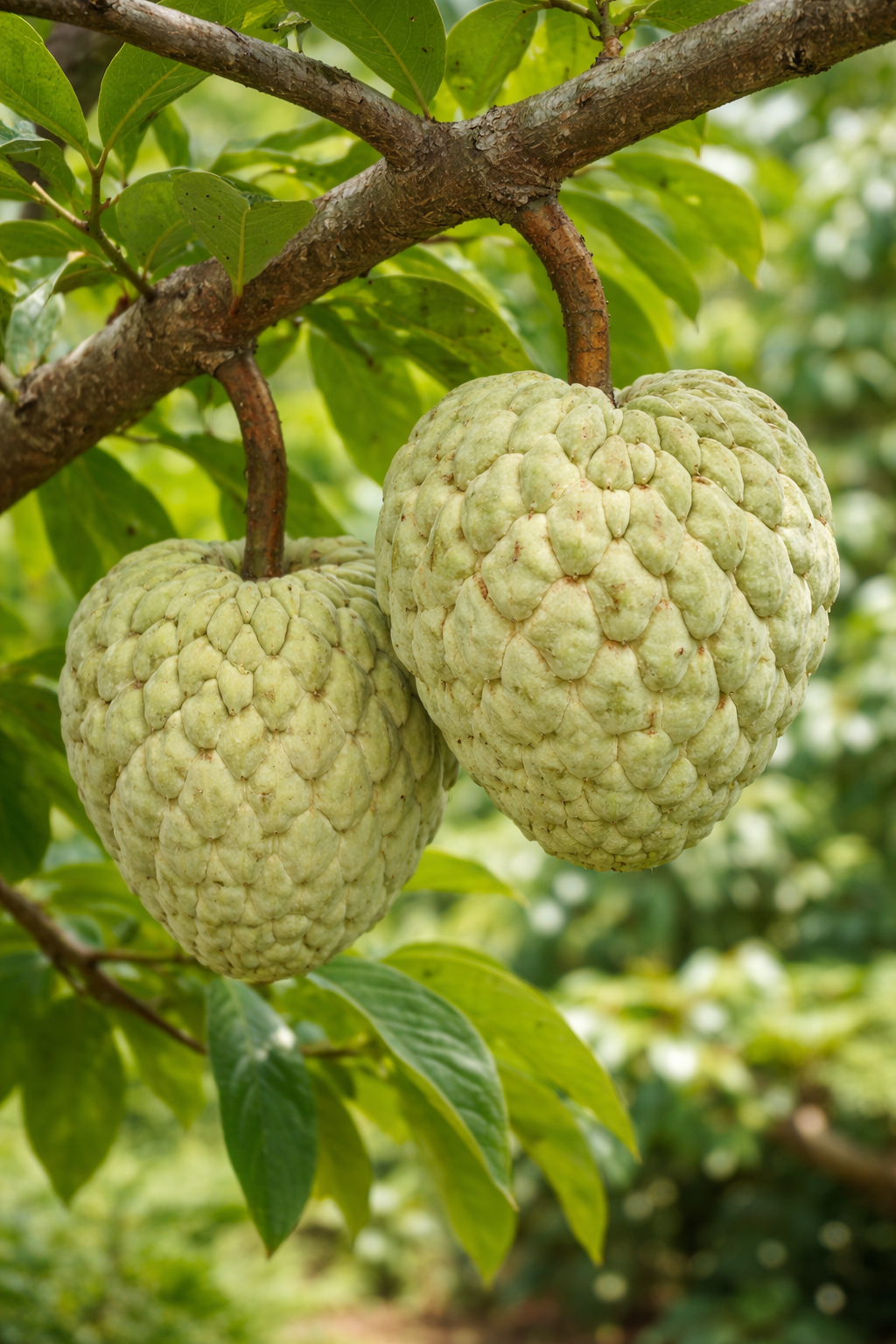
Atemoya (Annona atemoya): Health Benefits And Uses
Atemoya is a hybrid of cherimoya and sugar apple. It is an edible fruit that can also be made into ice cream. The toxic black seeds are used in making pesticides. It contains vitamin C, phenolic compounds, and fiber. The fruit is common in Taiwan, Cuba, venezuela, Brazil, Lebanon, and Tanzania, where it is called…
-
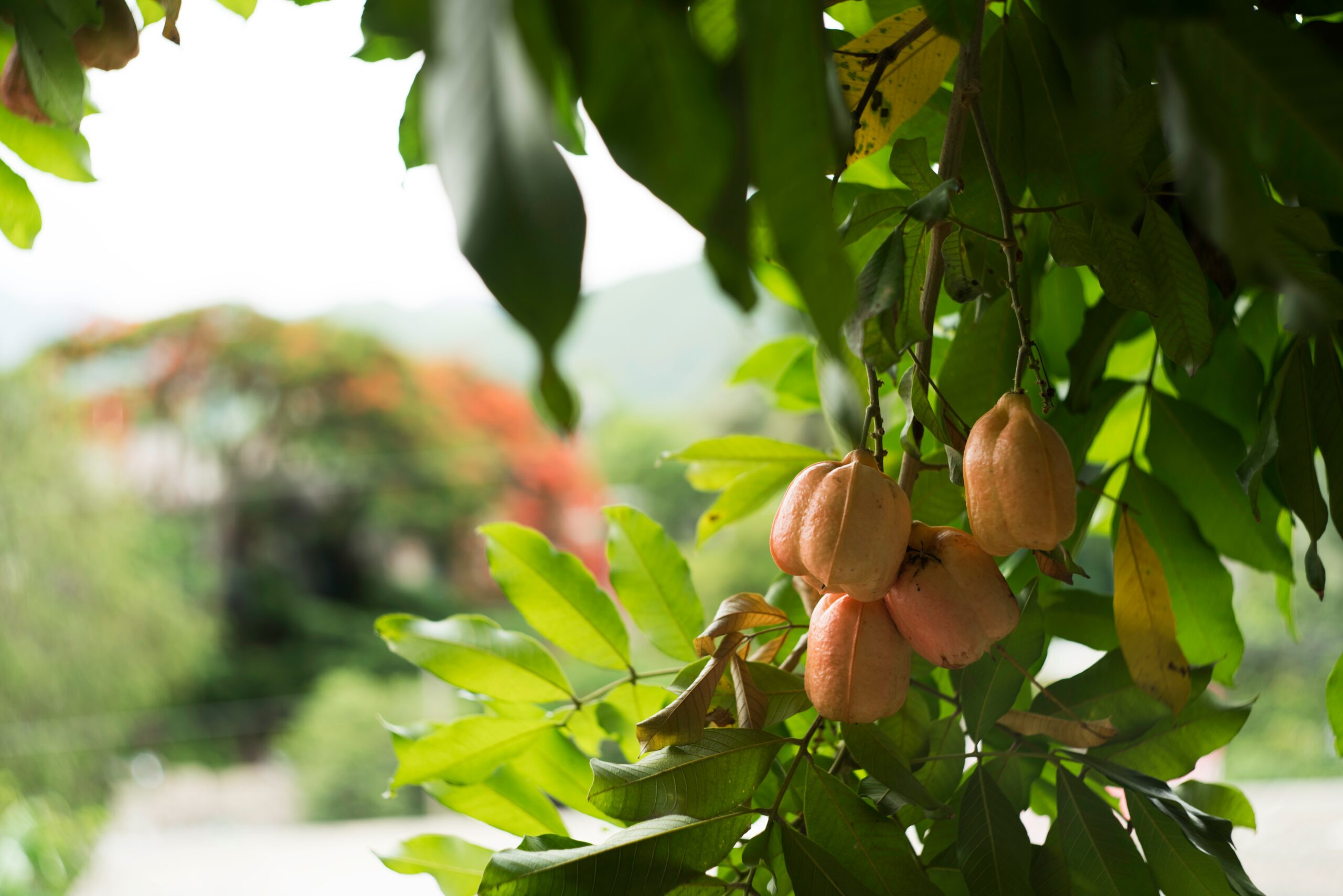
Ackee (blighia sapida): Health Benefits And Uses
Ackee, also called breadfruit or gwanja kusa in some dialects, has been eaten by boiling or sautéing its aril in Jamaica for centuries. If unripe, it is toxic and induces severe hypoglycemia with convulsions and may even lead to death. This is due to the hypoglycin A and B content in unripe fruits. Acee is…
-
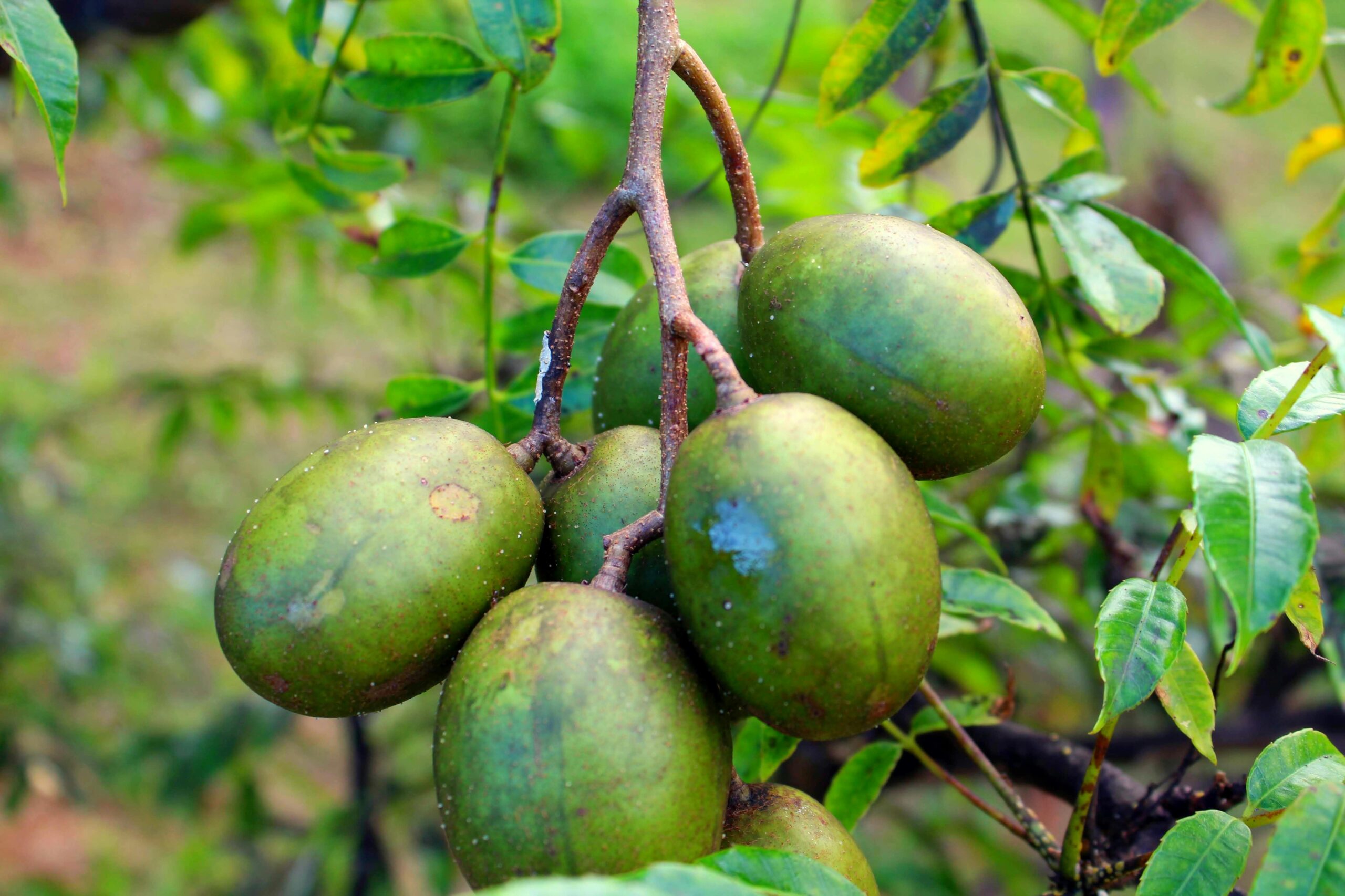
Ambarella (spondias dulcis/cythera): Health Benefits And Uses
Ambarella, also called golden apple or June plum, is a fruit that is eaten raw. The fruit can also be made into flavorings for sauces, soups, and stews. A common delicacy in Sri Lanka, the fruit is soaked in vinegar and chili with other spices to make acharu. It contains vitamin C, phenols, fructose, ethanol,…
-

African Star Apple (Chrysophyllum albidum): Health Benefits And Uses
The African star apple, also called Udara/white star apple, is native to West Africa and is especially common in Nigeria, Ghana, Benin, Cote d’Ivoire, and some parts of Uganda. It contains vitamins C, B1, B2, B3, B6, and E; zinc; potassium; calcium; iron; phosphorous; proteins; fat; fiber; flavonoids; and carbohydrates. The fruit is small, about…
-

Acerola (Malpighia emarginata): Health Benefits And Uses
Acerola is a fruit that is consumed for its nutrient-rich profile. It has also been traditionally used in the management of dysentery and fever and as an astringent. It is laden with vitamin C, A, thiamine, riboflavin, niacin, calcium, iron, malic acid, pantothenic acid, carotenoids, phenolic acids, and anthocyanidins. Acerola is native to the West…
-
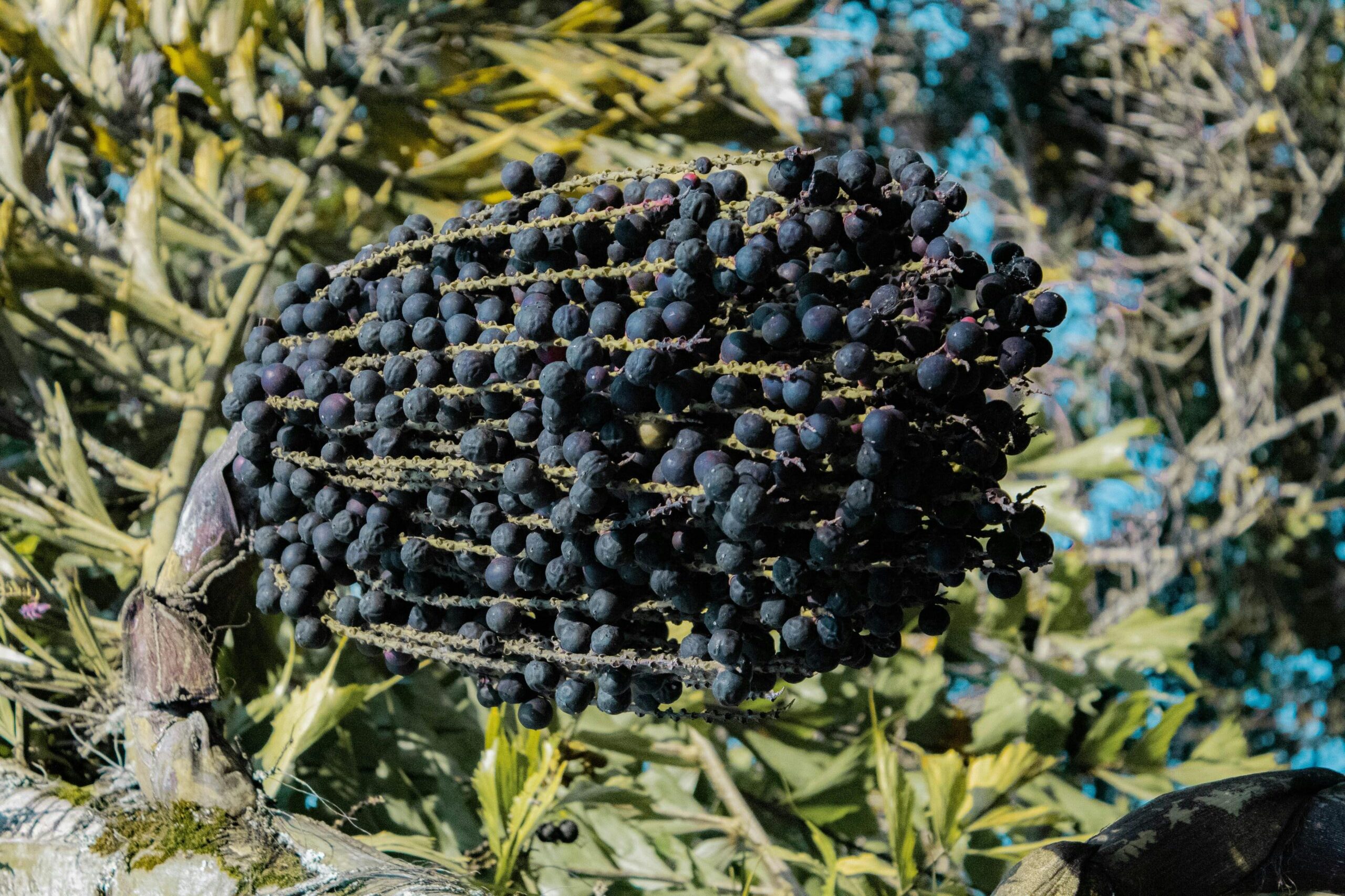
Acai Berry (Euterpe oleracea): Health Benefits and Uses
Acai berry is a fruit mainly taken as a delicacy by being eaten raw. It is used in juices, syrups, liqueurs, ice cream, sweet jelly, and energy drinks. It has a creamy texture with a tart flavor that makes it popular as an ingredient in snacks. Its deep purple color comes from the compound anthocyanidin.…
-
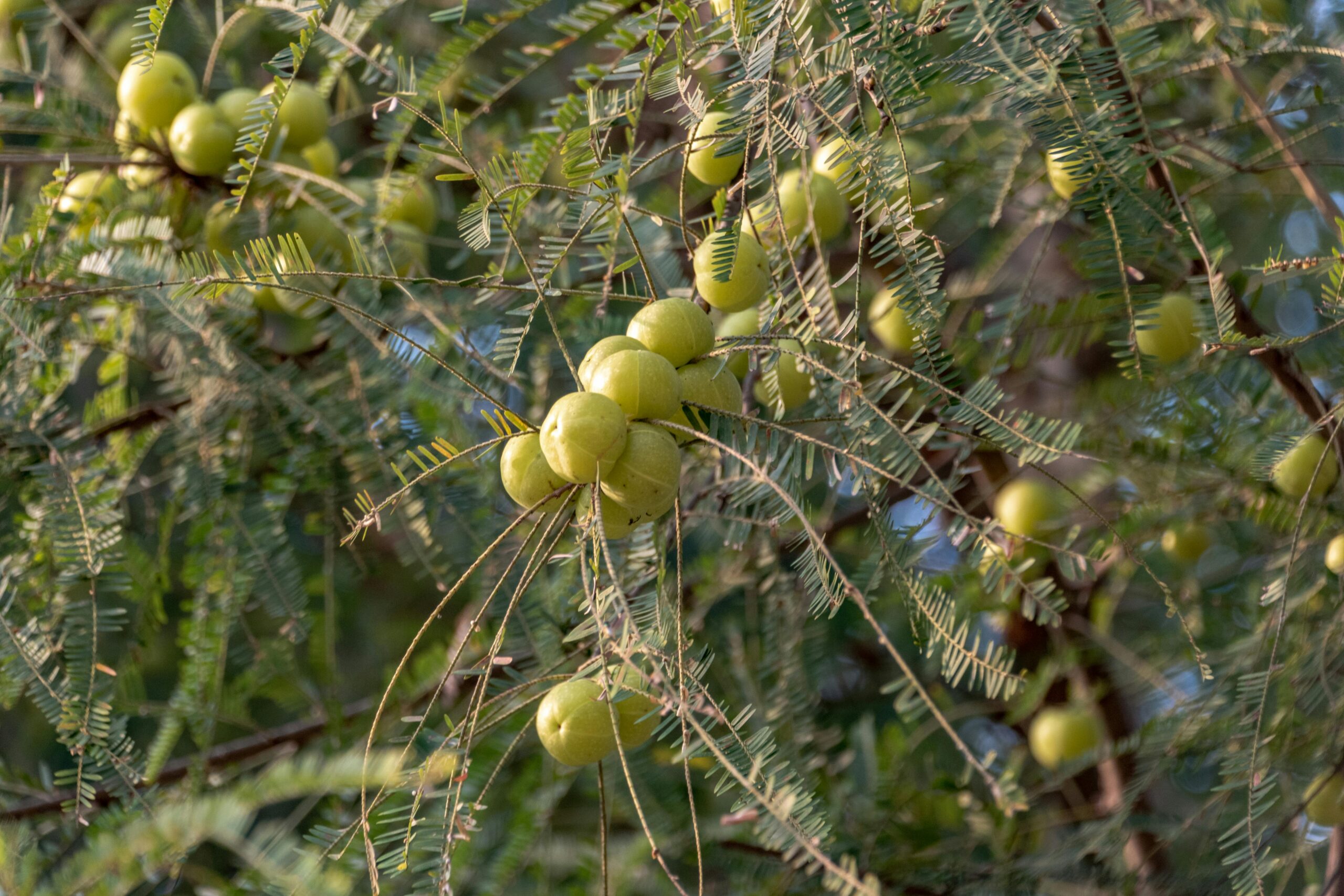
Amla(Phyllanthus emblica): Health Benefits And Uses
Amla is one of the most common ingredients in hair tonic used to boost hair growth. It is a fruit that can be eaten raw or pickled with salt and spices. The bark has an astringent, bitter taste. It is rich in vitamin C, amino acids, tannins like gallic acid and phyllembelin, and alkaloids like…
-

Avocado (Laurus persea): Health Benefits and Uses
Avocado is a commonly used fruit in dishes like guacamole, eaten whole, or used as natural beauty products, i.e., organic face masks. Avocado products like avocado oils, serums, cleansers, and lotions are gaining popularity in the modern skin care industry. Avocado was first cultivated in Mexico, and currently it is widespread in various countries like…
-

APRICOT (prunus armeniaca): Health Benefits and Uses
Apricots have been traditionally used as a nutritional source of vitamins and minerals like vitamins A, C, and K, thiamine, niacin and iron. They are eaten raw and can also be made into jams and used in flavoring liqueurs. Apricots are originally from China and Japan but are currently cultivated in other places like Turkey,…
-
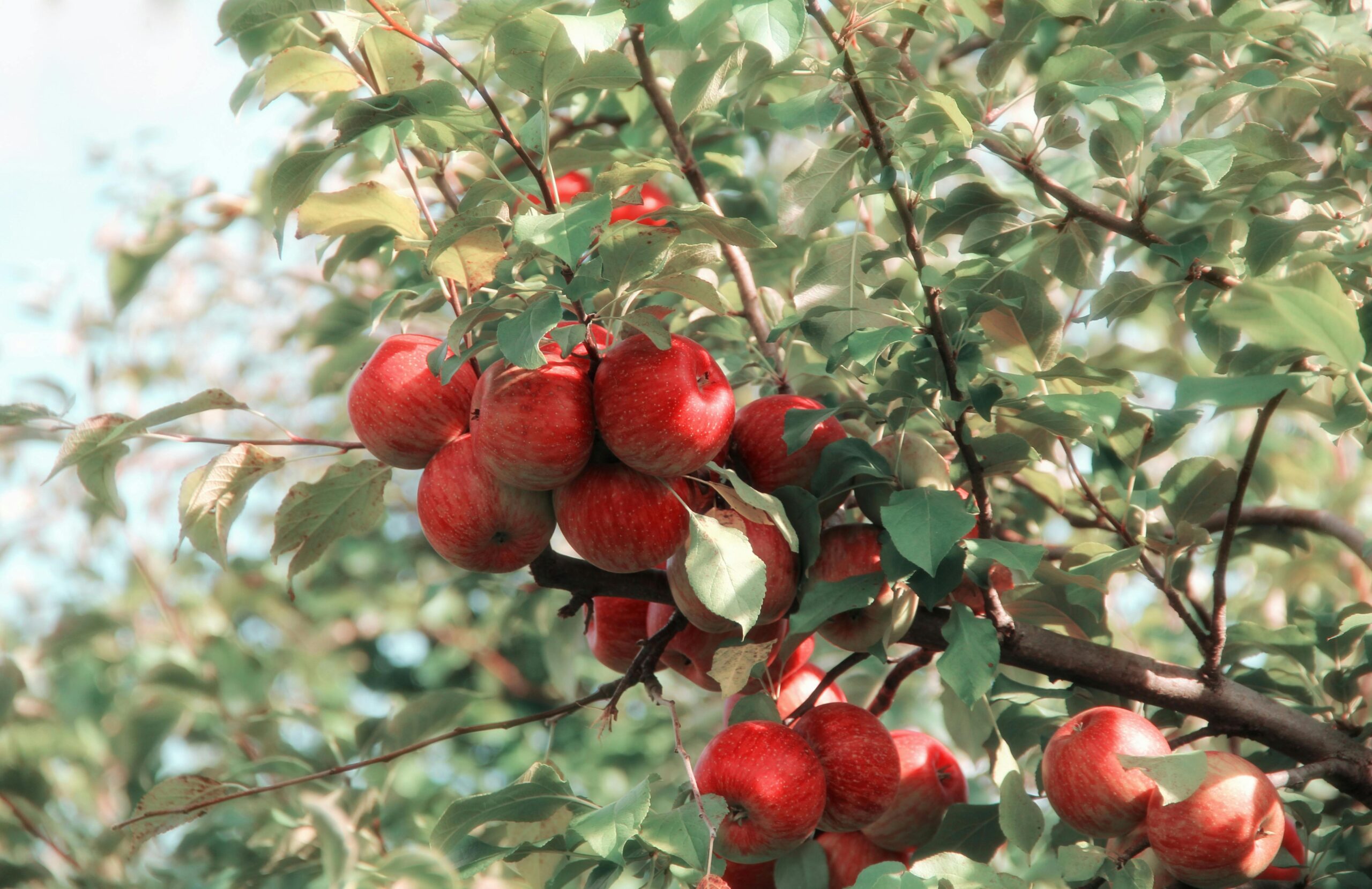
Apples (malus domestica): Health Benefits And Uses
Apples are a relatively common fruit that is eaten fresh but can also be used in making apple cider vinegar and in baking pies, ciders, wines, and juices. It is rich in minerals and vitamins like potassium and vitamins A and C, alongside other constituents like flavonoids, glucosides, polyphenols, pectin, fiber, and organic acids. The…