
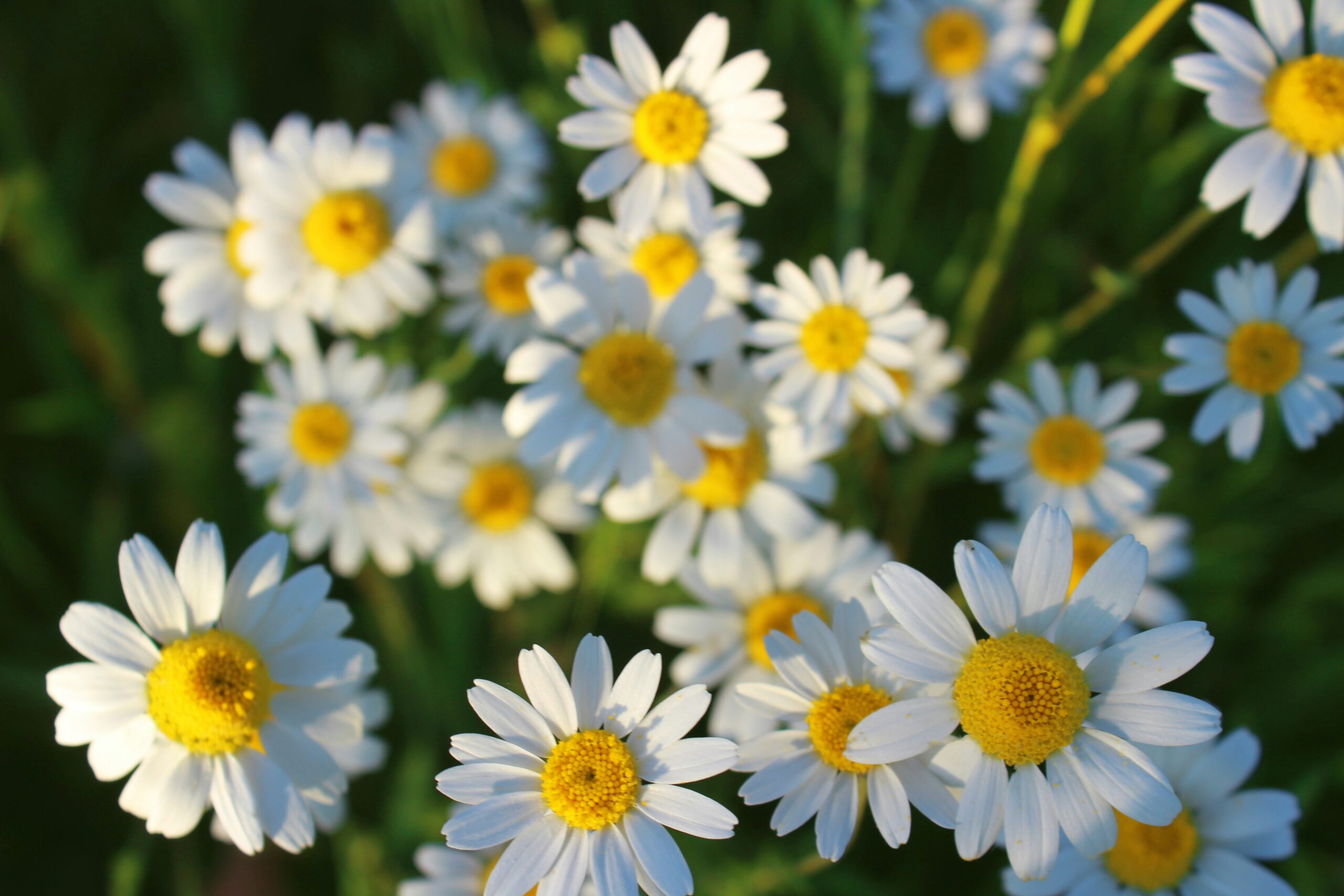
The German (M. chamomila or M. recutita) and Roman (C. nobile) chamomiles are annual and perennial herbs, respectively, belonging to the family Asteraceae. Commonly known as wild, Hungarian, English, and garden chamomile, it has been used in brewing calming teas since time immemorial.
It is native to southern and eastern Europe and western Asia (German) and western Europe and North Africa (Roman). It is currently cultivated in parts of Europe (Germany, Hungary, and Poland), Africa (Egypt), the Americas (Argentina, Mexico, and the United States), and Asia (India and Nepal). Uses of chamomile include:
- In anxiety and depressive episodes
- Improve sleep quality and counter insomnia
- Supports reduction of infant colic alongside other herbs
- Reduces severity of diarrhea and cramping
- In glycemic control
- In treatment of eczema and oral mucositis
Jump to section
Medical uses and ethnopharmacological profile of chamomile
Traditional Uses
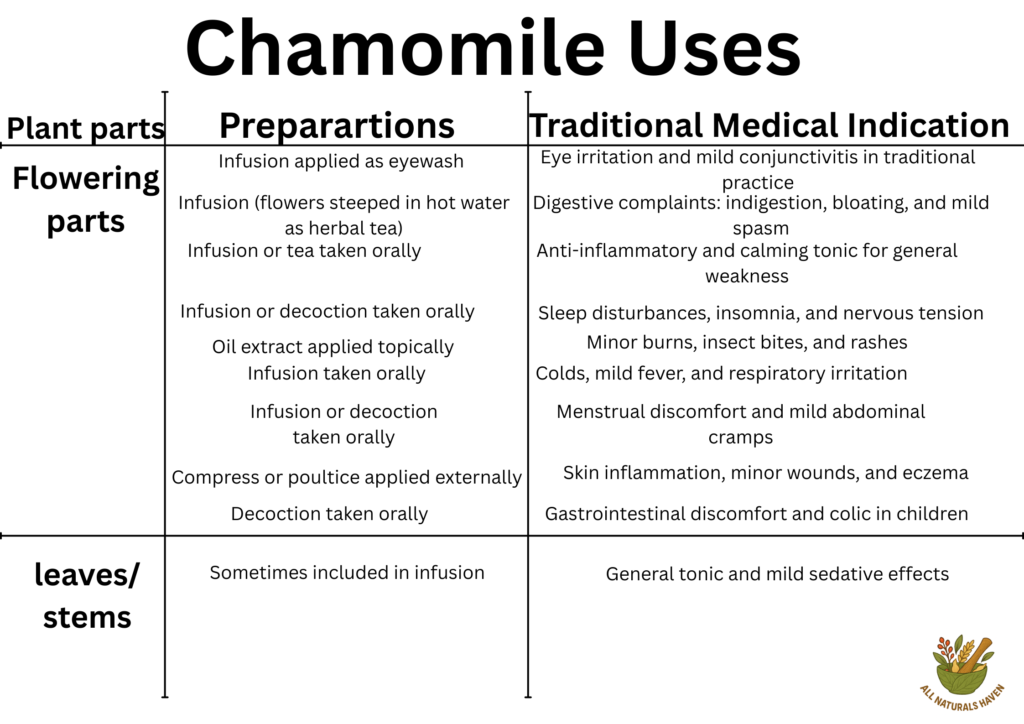
It was used as a digestive aid in conditions like bloating, flatulence, ulcers, colic, and spasms. It was also used in calming down the nerves in anxiety/stress and promoting sleep. The poultices and pastes were used in wound healing and skin conditions like eczema and psoriasis. Its aqueous extract, or sometimes chewing it, was used as a mouthwash.
Other traditional uses were for relief of menstrual pain, in fevers as a relaxing diaphoretic, and in steams meant to relieve cold and flu symptoms.
Clinical uses and Research
Osteoarthritis: In patients with osteoarthritic pains, topical application of flower oil extract thrice daily decreased the need to manage pain with analgesics and increased mobility. The compounds bisabolol and chamazulene were isolated to have the activity of inhibiting the inflammatory mediator cyclooxygenase 2 selectively.
General Anxiety disorder: In anxiety patients, standardized flower extract capsules given at a dose of 220-1100 daily for 8 weeks were able to decrease HAM-A anxiety scores. Apigenin and luteolin acted by binding to GABA receptors and lowering the cortisol levels via modulation of the HPA axis. ( Amsterdam 2009)
Dysmenorrhea: In women with menstrual problems, flower infusions (teas) given twice daily one week before and after menstruation decreased menstrual pain and reduced the associated mental and physical discomfort. Glycine and bisabolol increased urinary glycine, which in turn reduced smooth muscle spasms.
Insomnia: Patients with sleep problems who were given flower aqueous extract capsules at a dose of 270 mg twice daily for 28 days reduced sleep latency and increased daytime functioning. This was achieved through the action of benzodiazepine receptor binding via the compounds luteolin and apigenin.
Postpartum dysfunction: In women who have given birth, a flower infusion of 1 cup daily for 14 days showed significant reduction in depression symptoms and also improved the sleep quality. Flavonoids and glycosides were identified to have the action of regulating neurotransmitters, thus inducing a relaxation of the nervous system.
Type 2 Diabetes: The tea from the flower, given in three cups daily after meals, elicited a decrease in HbA1c and serum insulin levels. The compounds quercetin and umbelliferone were isolated to have ALR2 inhibitory capacity, thus preventing oxidative stress in the pancreatic cells.
In Vivo Uses and Research
Allergic asthma: In a rat model, chamomile aqueous extract administered at a dose of 20 mg/kg intranasally or intraperitoneally resulted in a recorded decrease in bronchial inflammation, edema in the alveoli, and restoration of the lung cell morphology. Luteolin and quercetin were identified to have lipid peroxidation suppression in the lung tissues and lower the concentration of interleukin 4 in the immune response. (Qian Li 2023)
Hypertension: In adrenaline-induced hypertensive rats, flower aqueous extract at a dose of 40 mg/kg was able to decrease both systolic and diastolic pressure. Pinocarveol, coumarin, and apigenin derivatives showed the action of inhibiting calcium channels.
Metabolic disorder: In a rat metabolic study, flower hydroalcoholic extract at a dose of 150-200 mg/kg for 4-8 weeks increased immune responses and glycemic control with prevention in diabetes-related weight loss. Rutin and apigenin acted via stimulation of IgG and IgM production while simultaneously lowering AST/ALT liver enzymes, acting as hepatoprotectives.
In Vitro Uses and Research
Antibacterial: In an experiment with Enterococcus faecalis, aqueous root extract rich in flavonoids and tannins disrupted bacterial cell wall integrity and prevented extracellular polymeric substance formation. Its efficiency was comparable to 8% sodium hypochlorite, highlighting its potential as a natural endodontic irrigant.
Prostate cancer: Human tumor prostate cell linings when exposed to flower ethyl/methanolic extract underwent programmed cell death. Herniarin and apigenin acted as inducers of nucleosomal DNA fragmentation.
Immunomodulatory: In human T cells, flower hydroalcoholic and essential oil extracts were able to downregulate proinflammatory cytokines and inhibit T cell migration. This was through the action of chamazulene and bisabolol. (Luigi 2016)
Safety and Dosing profile for Chamomile
Forms and Dosing
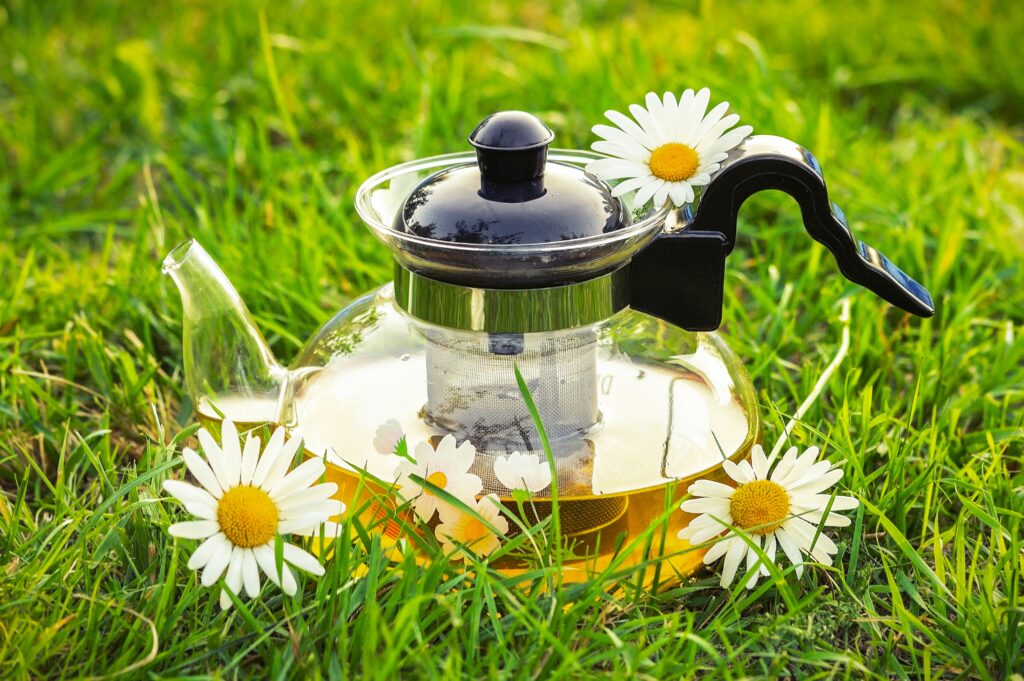
Infusions and teas– 1 cup thrice daily
Tinctures– 2- 4 mls thrice
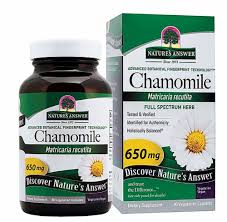
Capsules and tablets (1.2% apigenin)– 400- 1600 mg
Essential oils– 5-10 drops or more depending on the concentration
Salves, balms and baby oils– Topical application up to thrice a day
Hydrosols– eg face toners, twice a day
Powders– 2-3 grams a day
- Generalized anxiety disorder- 220-270 mg thrice a day
- Mild insomnia- 400-1600 mg a day or 1-2 grams in infusion up to thrice a day
- Gastrointestinal disturbances- 1-4 grams in infusion up to 4 times a day in dyspepsia
- Infantile colic-150 mg up to thrice a day
- oral mucositis- 2-3 gram in rinse, thrice daily
- Dermatitis- applied thrice daily
Interactions
- Blood thinners: may Increase the risk of bleeding
- Sedatives (benzodiazepines, alcohol, diphenhydramine): may increase sedation and drowsiness
- Diabetic medication- may lower blood sugars, leading to hypoglycemia
- May increase levels of the following drugs to unwanted levels: statins (atorvastatin) and certain antifungal medications
Side effects
- Allergic reactions (skin rash, itching)
- Drowsiness or dizziness
- Nausea and vomiting
Contraindications
2 weeks before surgery
People with known sever ragweed allergy
People with hormonal conditions like cancer and endometriosis
Pregnancy and breastfeeding- it has mild uterine stimulating action in animal studies
Chamomile Description and composition
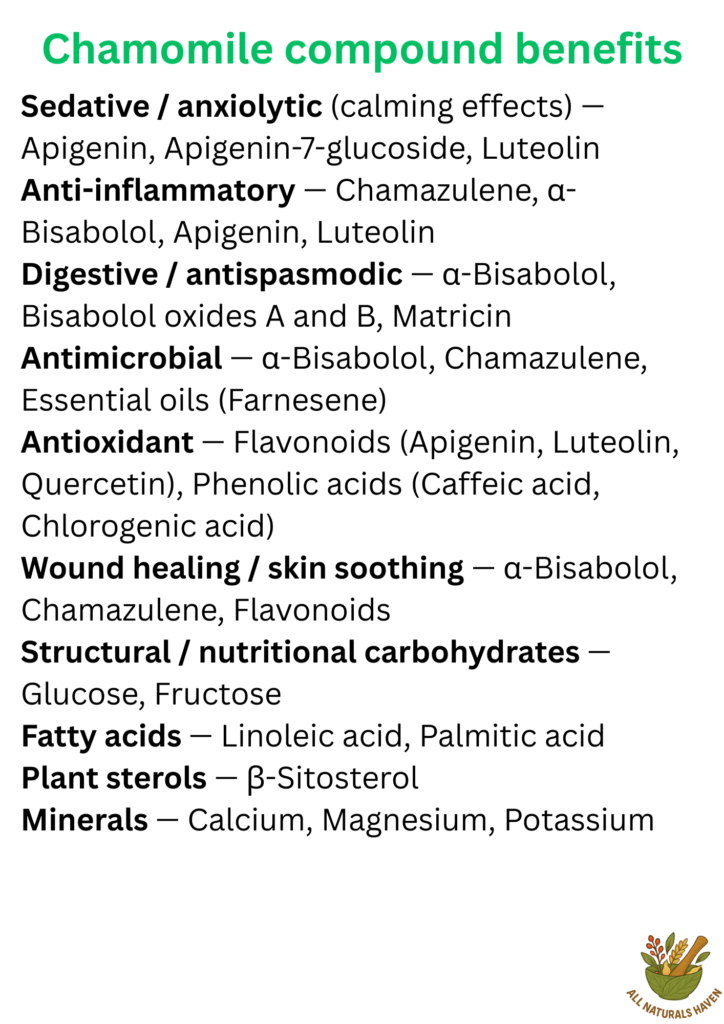
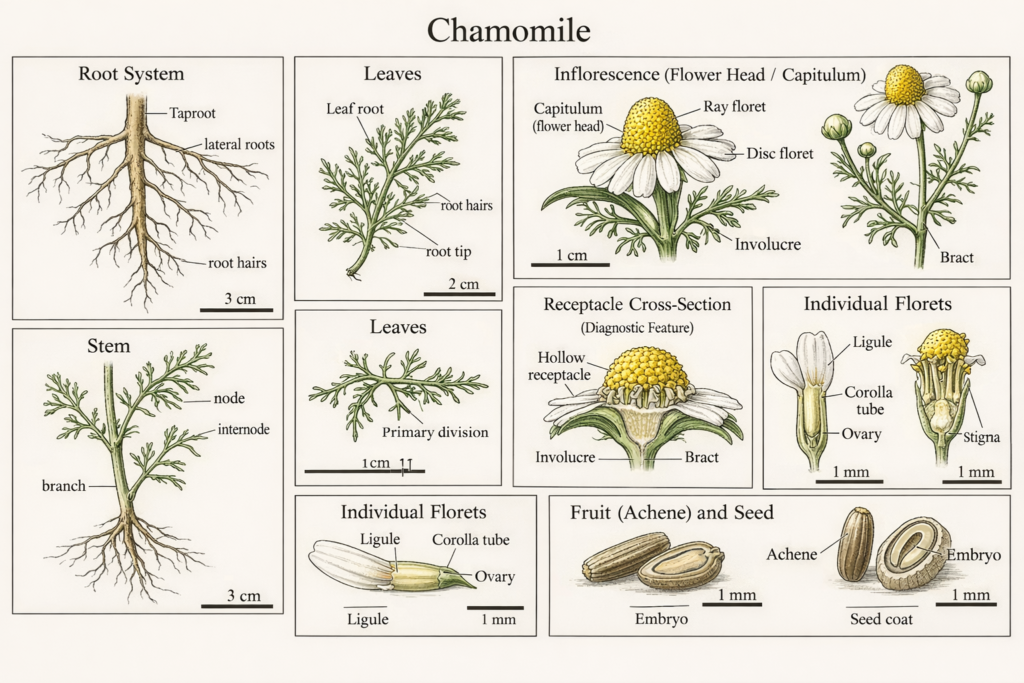
The compounds found in chamomile are apigenin, quercetin, luteolin, matricine, and chamazulene. In German chamomile, the unique compounds bisabolol and its A and D oxides and umbelliferone make it different from Roman chamomile, which consists of angelic acid esters, tiglic esters, and pinene.
In German chamomile, the stems are upright, about 24 centimeters, and hairless; it has a shallow taproot system and a strong sweet scent. Its leaves are sparse and feathery. The flowers are white drooping petals with hollow conical receptacles.
The Roman chamomile has a creeping taproot that is horizontally spread with stems that are slightly hairy and trailing the ground. It has thicker and denser bipinnate leaves with flowers that are flat/slightly curved with solid conical receptor heads. It has an apple-like scent when leaves are crushed.
Chamomile Cultivation
Both plant varieties thrive in well-drained soils, though German chamomile does well in open fields and disturbed soils, while Roman chamomile does well in slightly cooler, more temperate regions. German chamomile is propagated via seeds by sowing them superficially during early spring or late autumn. It should be exposed to full sun, and it can tolerate poor soils.
The Roman variety is propagated by plant runners or divisions in spring after the last frost. It requires full sun and partial shade with richer soils of pH 5.5-7.5. To harvest the plant at its peak, harvest it at the flowering stage when the flower is fully open before the petals droop backwards. Harvesting can simply be done by gently using the fingers as a comb to pop off the flowering heads.
Do not wash the flowers; just shake them well and proceed to air-dry them in a warm shaded spot for about 1-2 weeks. Once dry, store the whole flower heads in an airtight jar in a cool, dark place. This can last up to a year.
REFERENCES
Shoara R, Hashempur MH, Ashraf A, Salehi A, Dehshahri S, Habibagahi Z. Efficacy and safety of topical Matricaria chamomilla L. (chamomile) oil for knee osteoarthritis: A randomized controlled clinical trial. Complement Ther Clin Pract. 2015 Aug;21(3):181-7. doi: 10.1016/j.ctcp.2015.06.003. Epub 2015 Jun 9. PMID: 26256137.
Mollabashi EN, Ziaie T, Bekhradi R, Khalesi ZB. Do Chamomile effect on duration, amount of bleeding, and interval of menstrual cycles? J Pharmacopuncture. 2020 Mar 31;23(1):25-29. doi: 10.3831/KPI.2020.23.004. PMID: 32322432; PMCID: PMC7163389.
Akhgarjand C, Moludi J, Ebrahimi-Mousavi S, Bagheri A, Bavani NG, Beigmohammadi MT, Malekahmadi M. The effect of chamomile consumption on glycemic markers in humans and animals: a systematic review and meta-analysis. J Diabetes Metab Disord. 2023 Nov 27;23(1):189-198. doi: 10.1007/s40200-023-01345-8. PMID: 38932814; PMCID: PMC11196442.
Sirojiddin, O., Izzatullo, A., Ulugbek, G. et al. Cardiovascular effects of Matricaria chamomilla extract: calcium channel modulation and vasorelaxant activity. Sci Nat 113, 14 (2026). https://doi.org/10.1007/s00114-025-02065-0
Mohiuddin, Ahmed & Alsalam, Yasser & Khaleel, Mohanad & Jamel, Mohammed. (2025). The Effects of Chamomile Extract on Immunoglobulin and Enzyme Markers and Weight in Male Laboratory Rats with Diabetes. South Asian Research Journal of Agriculture and Fisheries. 7. 77-83. 10.36346/sarjaf.2025.v07i05.003.
Kameri, Ariana & Haziri, Arben & Hashani, Zeqir & Teneqja, Agime & Kurteshi, Kemajl & Kurti, Arsim. (2023). Antibacterial Effect of Matricaria chamomilla L. Extract Against Enterococcus faecalis. Clinical, Cosmetic and Investigational Dentistry. 15. 13-20. 10.2147/CCIDE.S399756.
Srivastava, Ph.D. (Prof.J.K.Srivastava), Janmejai & Gupta, Sanjay. (2007). Antiproliferative and Apoptotic Effects of Chamomile Extract in Various Human Cancer Cells. Journal of agricultural and food chemistry. 55. 9470-8. 10.1021/jf071953k.
Leave a Reply