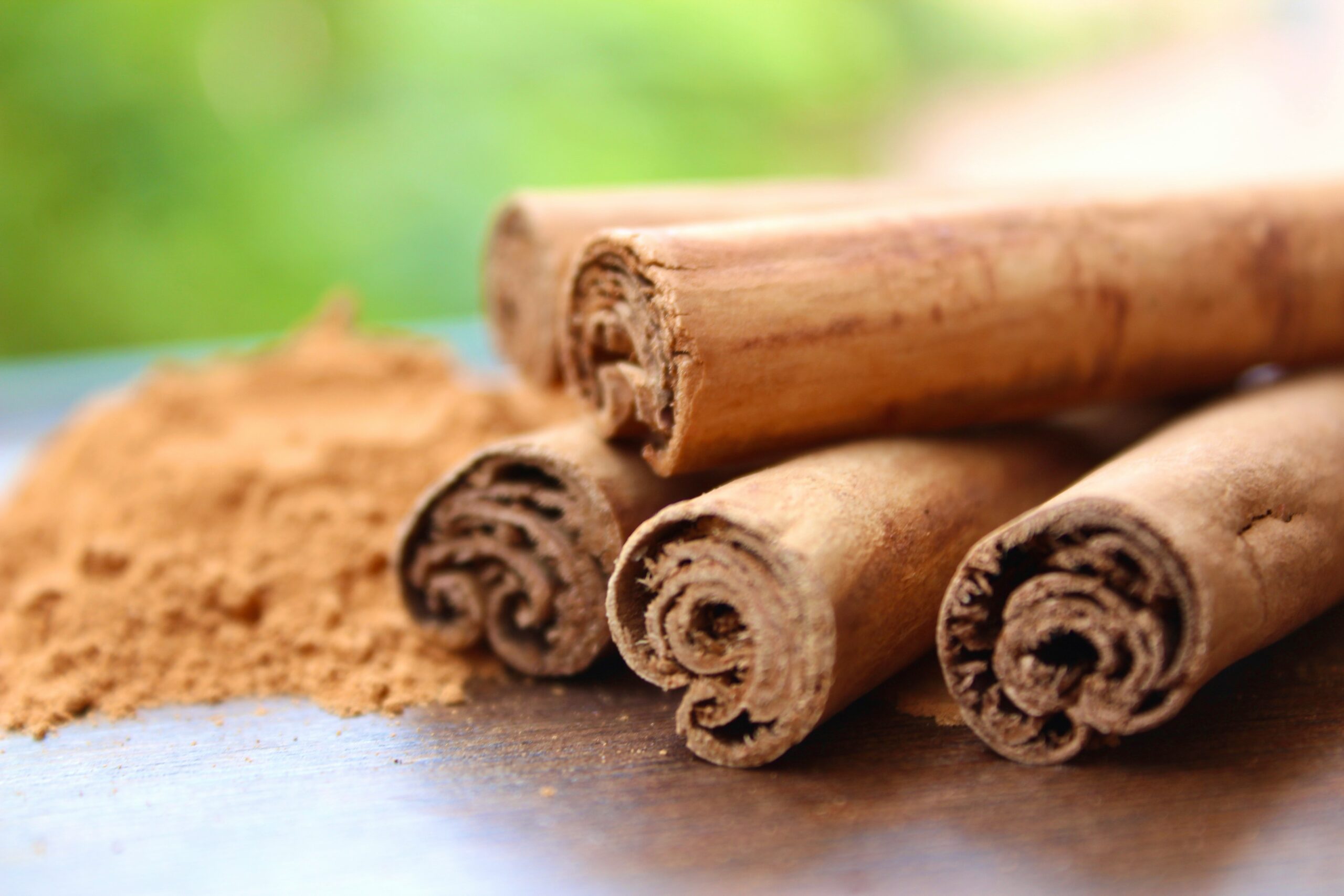
Cinnamon is a hardy tropical perennial common spice used in spiritual, herbal, and culinary settings. It belongs to the family Lauraceae and can be found in two varieties: cassia (the spicier variety) and Ceylon (the sweeter variety) cinnamon. Cinnamon is native to Sri Lanka, Southeast India (Ceylon), and South China (cassia). It is currently cultivated in Seychelles, Madagascar, and Vietnam.
Cinnamon uses involve the following:
- Glycemic control in diabetes
- Reduction of total cholestrol and bad (LDL) cholesterol
- Reduction in blood pressure
- As support in polycystic ovarian syndrome by regulating insulin
- Oral candidiasis treatment in People with HIV
- May help suppress H. pylori
Jump to section
Medical Uses and ethnopharmacological profile
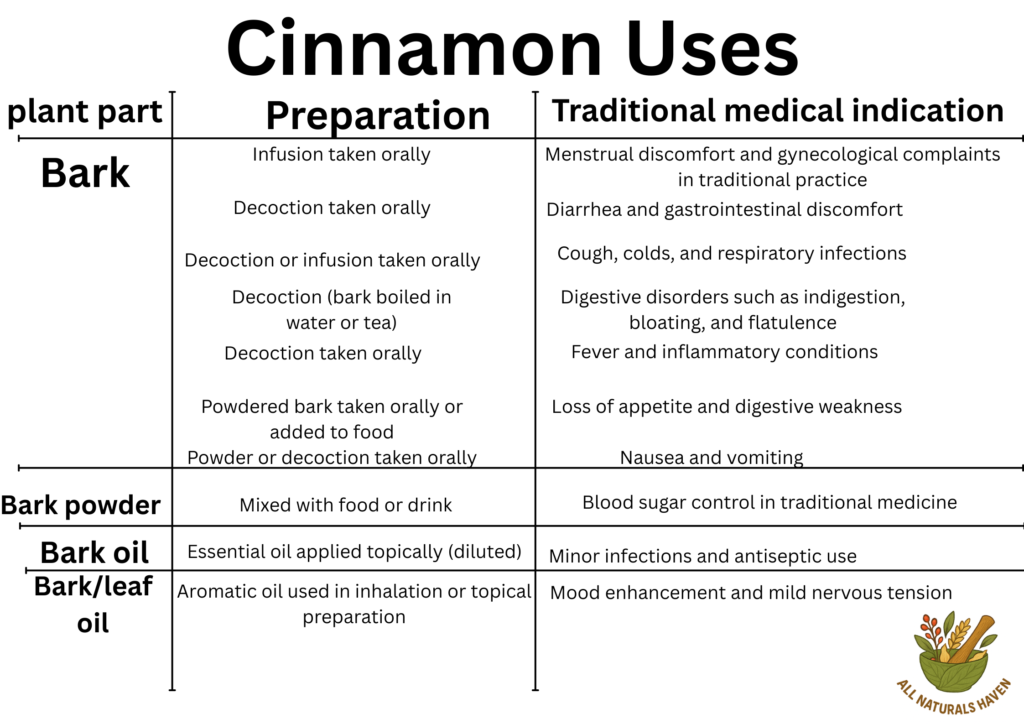
Traditional Uses
The twig was used for the common cold, joint aches, joint pain, and promoting circulation to the extremity. The bark was used to alleviate lower back pain, persistent digestive weakness, and intolerance to cold. It was also used as a digestive aid (fire) to boost appetite and digestion and reduce flatulence. In a concoction with honey and ginger, it was used to alleviate coughs, chest congestion, and air circulation.
It was also used as an emmenagogue and an antiseptic mouthwash.
Clinical Uses and Research
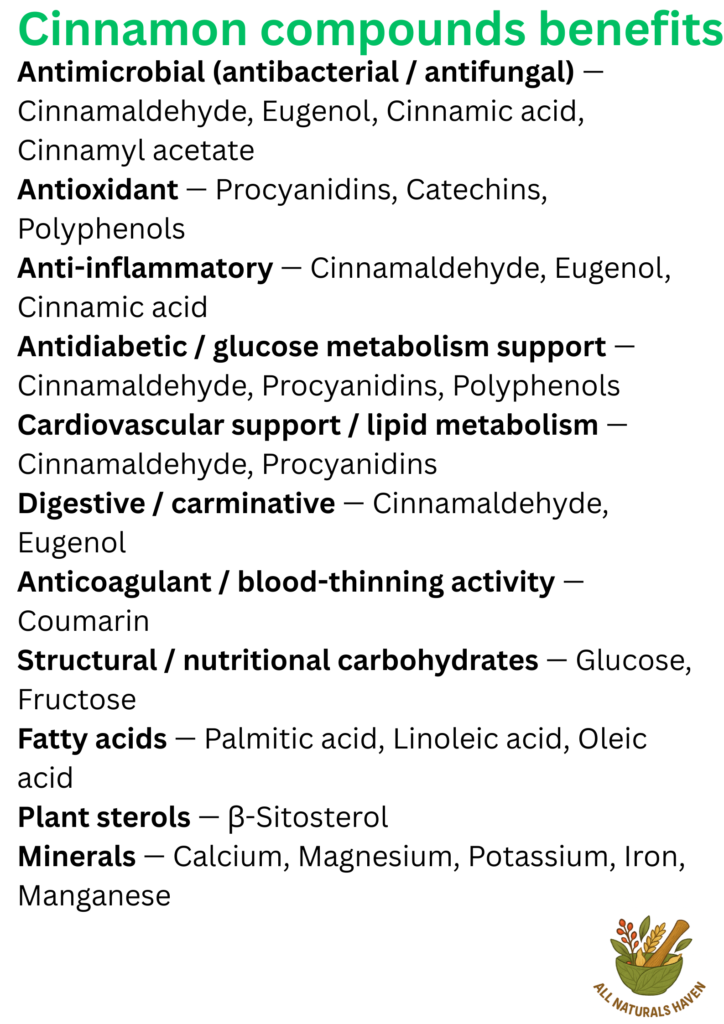
Obesity and hyperlipidemia: In adults with obesity, powder extract at a dose of 3-90 grams daily decreased levels of bad fat (low-density lipoproteins) and increased the levels of good fat (high-density lipoproteins). The polyphenols and dietary fiber increased the activity of triglycerol lipase, thus promoting fat hydrolysis in the adipose tissue.
Type 2 diabetes: Ground powder at dosages of 1, 3, and 6 grams daily for 40 to 90 days elicited an 18-20% reduction in fasting blood glucose and a 28-30% reduction in triglycerides. Cinnamaldehyde and phenols stimulated GLUT-4 translocation, thus inhibiting glucosidase and amylase enzymes.
In prediabetics, an aqueous extract at 500 mg thrice daily for 12 weeks was able to slow down the onset of type 2 diabetes. The compound type A procyanidins enhanced insulin receptor phosphorylation that mimics insulin activity. (Costello 2016)
Stage 1 hypertension: powdered gram extract at a dose of 2 grams daily for 12 weeks reduced both systolic and diastolic pressure. Coumarin and cinnamaldehyde induced peripheral vasodilation in the nitric oxide pathway and normalized vascular contractility.
Polycystic ovarian syndrome: Ground powder administered at a dose of 1.5 grams daily reduced resistance to insulin sensitivity and improved the menstrual cycle. This was through the action of activating sirtuin 1, which in turn reduces insulin resistance and modulation of the endocrine axis.
In Vivo Uses and Research
Alzheimer’s: In a mice study, aqueous bark extract at 100 mg/kg for 4 months increased spatial memory and cognitive performance. Proanthocyanidins and cinnamaldehyde inhibited protein aggregation and prevented filament formation.
Atherosclerosis: In a rat model, ground powder at a dose of 0.75 mg/kg for 12 weeks reduced aortic plaque formation. This was through the action of flavonoids and cinnamic acid that suppressed NF-κB activation and adhesion molecules, effectively reducing inflammatory cytokines.
Gastric ulcer: In a rat model, bark ethanolic extract at a 500 mg/kg repeated dose reduced the ulcer index, protected the gut mucosa, and inhibited H. pylori. Eugenol and terpenoids increased gastric mucus and reduced excess acid production. (Asad 2014)
In Vitro Uses and Research
Human breast cancer cells: Bark methanolic extract, when applied to cancer cell lines, induced apoptosis and depicted a dose-dependent inhibition of cancer proliferation and migration. This was identified to be the action of cinnamaldehyde. (Banerjee 2023)
S. aureus and H. pylori clinical isolates: Essential oil vapor showed bactericidal activity against resistant strains. Cinnamaldehyde disrupted cell membrane integrity and prevented biofilm through inhibiting ATPase activity.
Anti-inflammatory: In mouse macrophages, bark essential oil reduced pro-inflammatory cytokines. Eugenol inhibited nitric oxide production and suppressed activity of cyclooxygenase 2 enzymes.
Safety and Dosing profile of Cinnamon
Forms and Dosing
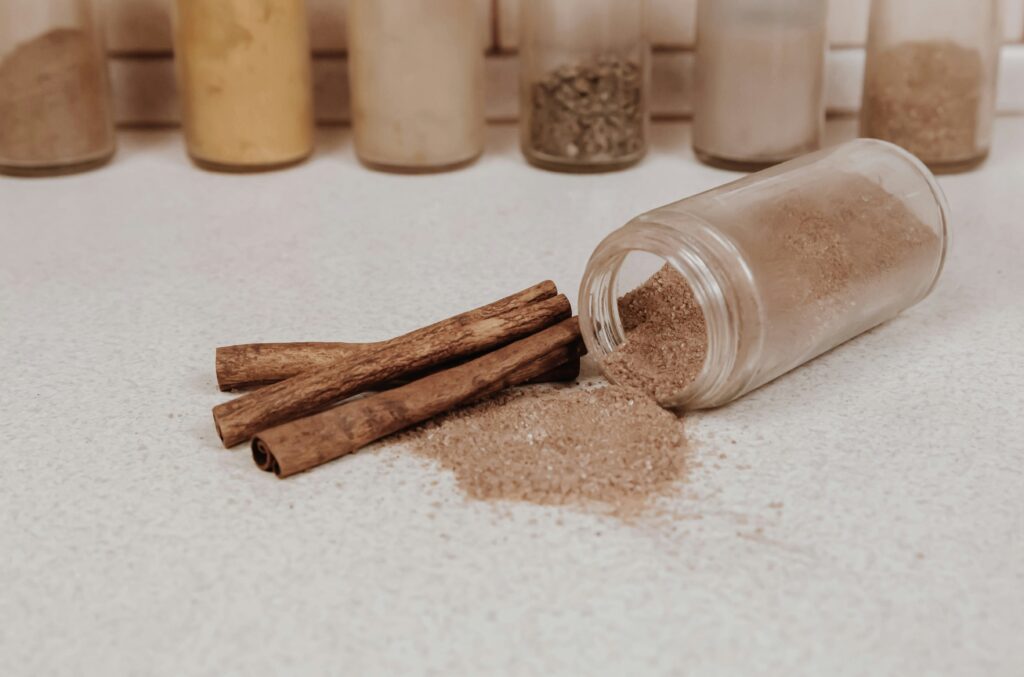
Quills– 1-3 grams a day
Ground powder– 1gram (Cassia), up to 6 grams (Ceylon) daily
Tea (tea bag chips)– 1 cup thrice a day
Tinctures– 2-4 ml up to thrice a day
Essential oils– 1 drop dilluted in carrier oil (0.5-1% dilution)
Syrups– 5- 10 ml up thrice daily
Capsules and tablets– 500 -1500 mg
- Type 2 diabetes- 1-6 grams daily
- Prediabetes- 500 mg thrice daily
- metabolic syndrom- 3 grams daily
- Hyperlipidemia- 1.5-6grams a day
- polycystic ovarian syndrome- 1.5g a day
- Functional dyspesia- 1-2 gram a day
- Helicobacter Pylori- 80-200mg a day
- Obesity- 2-3 grams a day
/product/11/5258523/1.jpg?5462)
Note: Do not exceed more than 12 weeks of continuous supplementation. For daily dosing, cassia is kept at 1-2 grams and Ceylon at 3-4 grams.
Interactions
- Diabetes medications- may lead to hypoglycemia
- Blood thinners- possible risk of bleeding and bruising, especially with cassia cinnamon.
- Statins, paracetamol, methotrexate (long-term concurrent use)- possible risk of liver inflammation
- Non-heme iron- disrupts absorption of iron
Side effects
- Liver toxicity in high amounts
- Allergic reactions and irritations
- Lowering blood pressure
- Breathing issues with inhalation of cinnamon
Contraindications
- People with liver disease
- 2 weeks to surgery
- Severe biliary or gastric issues
- Children should generally avoid cassia cinnamon
- Pregnancy and breastfeeding
Cinnamon Description and Composition
The compounds found in cinnamon include cinnamaldehydes, cinnamic acid, eugenol, volatile compounds (coumarin, linalool, trans-cinnamyl acetate, and beta-caryophyllene), polyphenols, and flavonoids (proanthocyanidins, catechins, and quercetin).
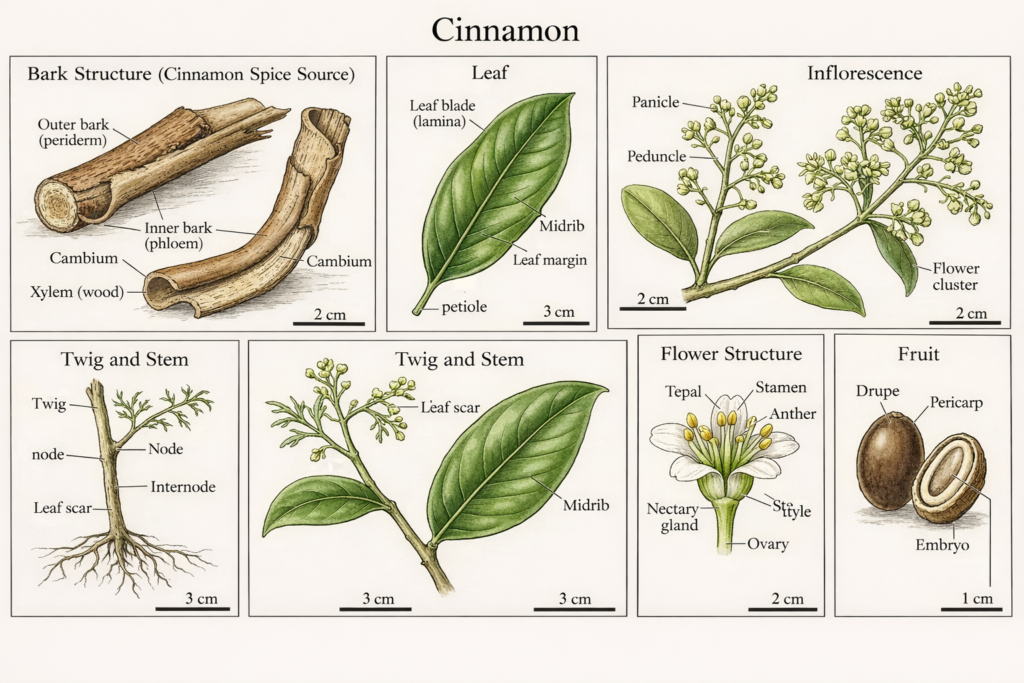
Cinnamon’s outer bark is rough, thick, and brownish in appearance; the inner part is thin and yellowish with a fragrant smell. The flowers are small and yellowish, white, or greenish and occur in panicles. The fruits are small drupes that are fleshy and dark green to purple with a single seed. Its leaves range from oval to lanceolate and are glossy with a pinkish to reddish or greenish hue. It has a taproot with lateral feeders.
Cinnamon Cultivation
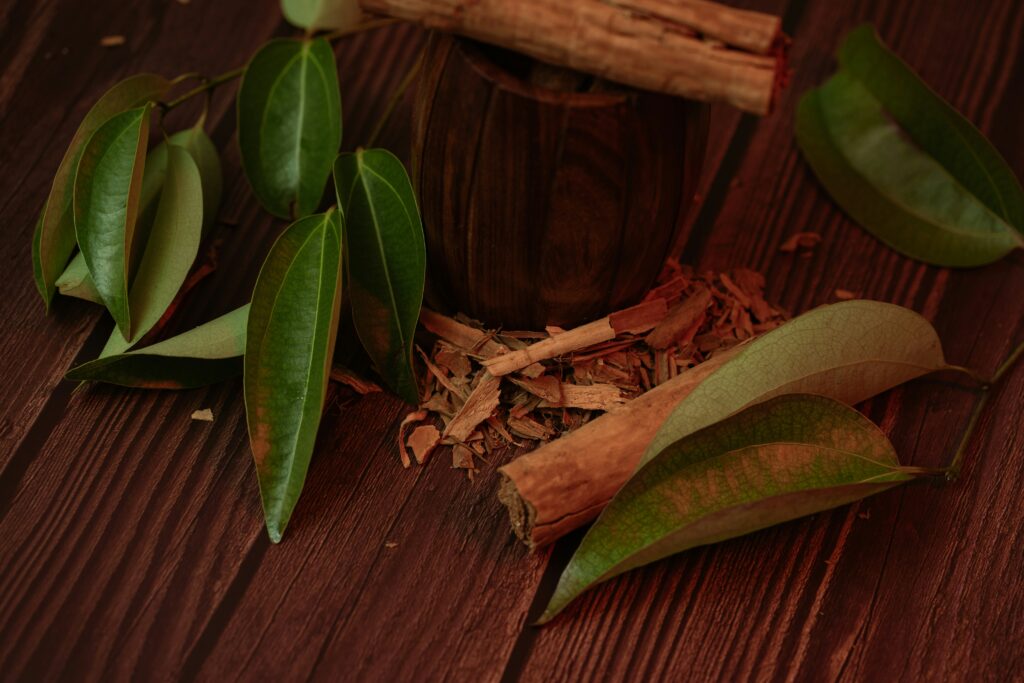
Cinnamon thrives in well-drained sandy soils of pH 4.5-6.5 with consistent rainfall. It is propagated from seeds or cuttings. The seeds are planted immediately after harvesting in rows and take roughly 2-3 years to be mature. Harvesting is done by cutting the main stem back to the ground. This encourages new shoot growth from the stump. The shoot’s outer bark is then scraped, while the inner part is beaten to loosen it from the wood.
The inner bark is then peeled off in longer, thinner sheets. The produce is then shade-dried, where they naturally curl into cinnamon sticks. The quills can last up to 3 years, while the ground powder can last up to a year when preserved in an airtight container in a cool, dry, dark place.
REFERENCES
Fateh HL, Amin SM. Effects of Cinnamon Supplementation on Lipid Profile: A Systematic Review and Meta-Analysis of Randomized Controlled Trials. Clin Nutr Res. 2024 Jan 26;13(1):74-87. doi: 10.7762/cnr.2024.13.1.74. PMID: 38362130; PMCID: PMC10866674.
Khan A, Safdar M, Ali Khan MM, Khattak KN, Anderson RA. Cinnamon improves glucose and lipids of people with type 2 diabetes. Diabetes Care. 2003 Dec;26(12):3215-8. doi: 10.2337/diacare.26.12.3215. PMID: 14633804.
Mousavi, Seyed Mohammad & Karimi, Elmira & Hajishafiee, Maryam & Milajerdi, Alireza & Amini, Mohammad Reza & Esmaillzadeh, Ahmad. (2019). Anti-hypertensive effects of cinnamon supplementation in adults: A systematic review and dose-response Meta-analysis of randomized controlled trials. Critical Reviews in Food Science and Nutrition. 10.1080/10408398.2019.1678012.
Maleki, V., Faghfouri, A.H., Tabrizi, F.P.F. et al. Mechanistic and therapeutic insight into the effects of cinnamon in polycystic ovary syndrome: a systematic review. J Ovarian Res 14, 130 (2021). https://doi.org/10.1186/s13048-021-00870-5
Frydman-Marom A, Levin A, Farfara D, Benromano T, Scherzer-Attali R, Peled S, et al. (2011) Orally Administrated Cinnamon Extract Reduces β-Amyloid Oligomerization and Corrects Cognitive Impairment in Alzheimer’s Disease Animal Models. PLoS ONE 6(1): e16564. https://doi.org/10.1371/journal.pone.0016564
Das, & Gonçalves, Sandra & Heredia, J. Basilio & Romano, Anabela & Jiménez Ortega, Luis & Gutiérrez-Grijalva, Erick & Shin, Han & Patra, Jayanta Kumar. (2022). Cardiovascular protective effect of cinnamon and its major bioactive constituents: An update. Journal of Functional Foods. 97. 105045. 10.1016/j.jff.2022.105045.
Ganić, T.; Pećinar, I.; Nikolić, B.; Kekić, D.; Tomić, N.; Cvetković, S.; Vuletić, S.; Mitić-Ćulafić, D. Evaluation of Cinnamon Essential Oil and Its Emulsion on Biofilm-Associated Components of Acinetobacter baumannii Clinical Strains. Antibiotics 2025, 14, 106. https://doi.org/10.3390/antibiotics14010106
Damasceno ROS, Pinheiro JLS, Silva LDD, Rodrigues LHM, Emídio JJ, Lima TC, Sousa DP. Phytochemistry and Anti-Inflammatory and Antioxidant Activities of Cinnamomum osmophloeum and Its Bioactive Constituents: A Review. Plants (Basel). 2025 Feb 12;14(4):562. doi: 10.3390/plants14040562. PMID: 40006821; PMCID: PMC11859615.
Leave a Reply