Author: All Naturals Haven
-
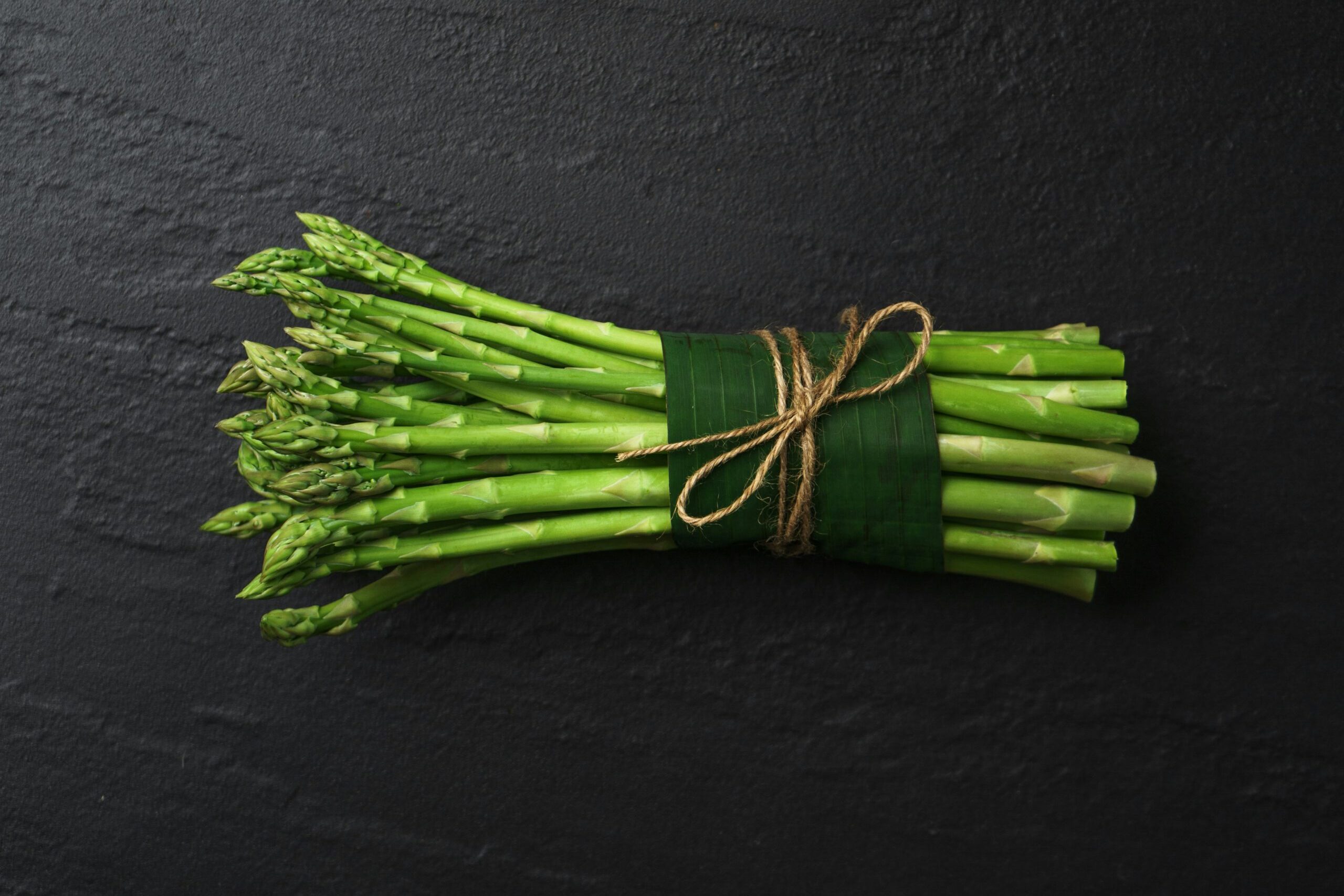
Asparagus (Asparagus officinalis): Benefits, Uses And Natural Remedies
Asparagus is a plant grown for its edible parts as a spring vegetable. It is loaded with vitamins K, C, and E; folate; inulin; saponin; flavonoids; polysaccharides; and alkaloids. The roots are tubular-shaped with a brown exterior and a white interior. The leaves are small and needle-like, protruding on the bark of the feather-like cladodes.…
-
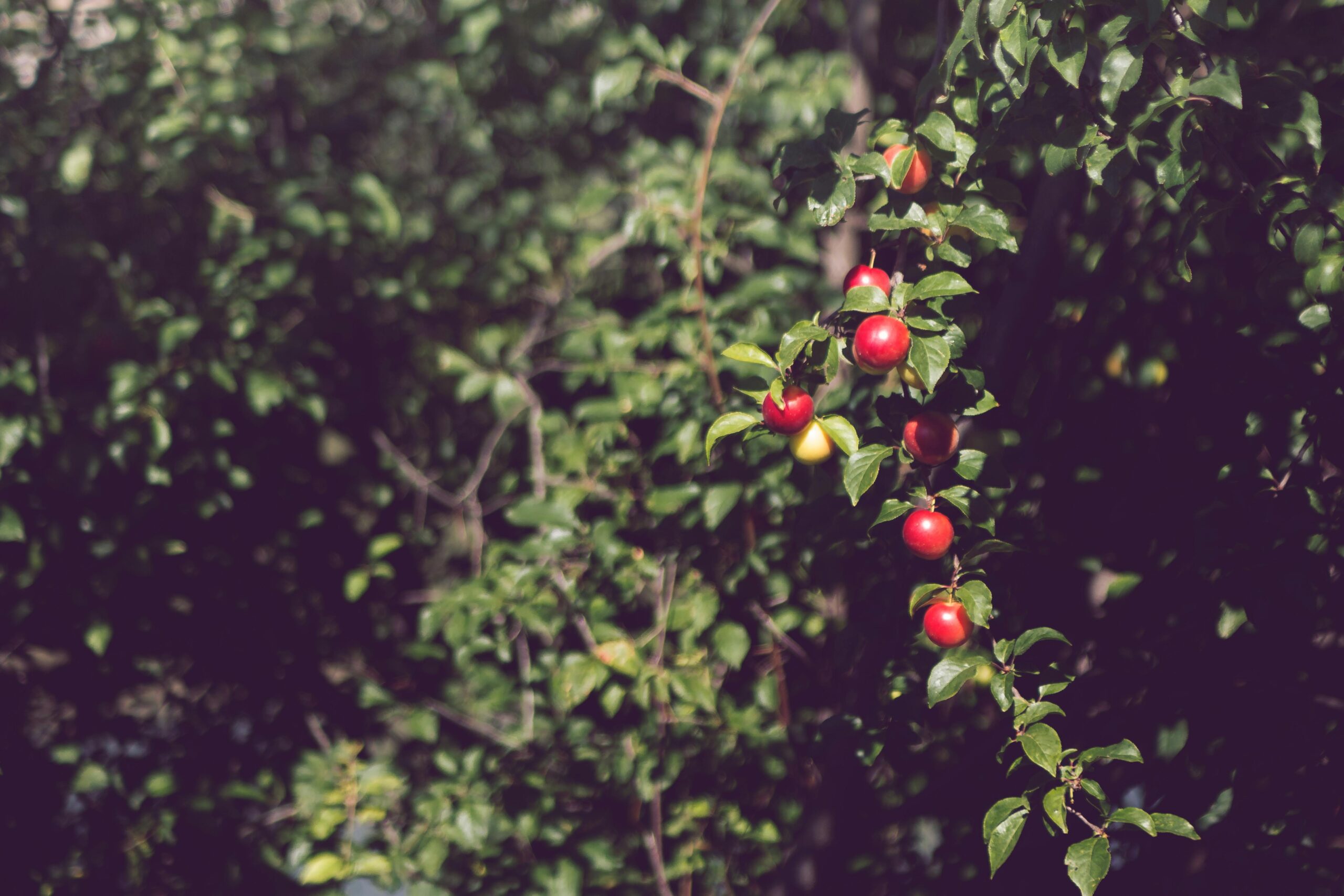
Acerola (Malpighia emarginata): Health Benefits And Uses
Acerola is a fruit that is consumed for its nutrient-rich profile. It has also been traditionally used in the management of dysentery and fever and as an astringent. It is laden with vitamin C, A, thiamine, riboflavin, niacin, calcium, iron, malic acid, pantothenic acid, carotenoids, phenolic acids, and anthocyanidins. Acerola is native to the West…
-
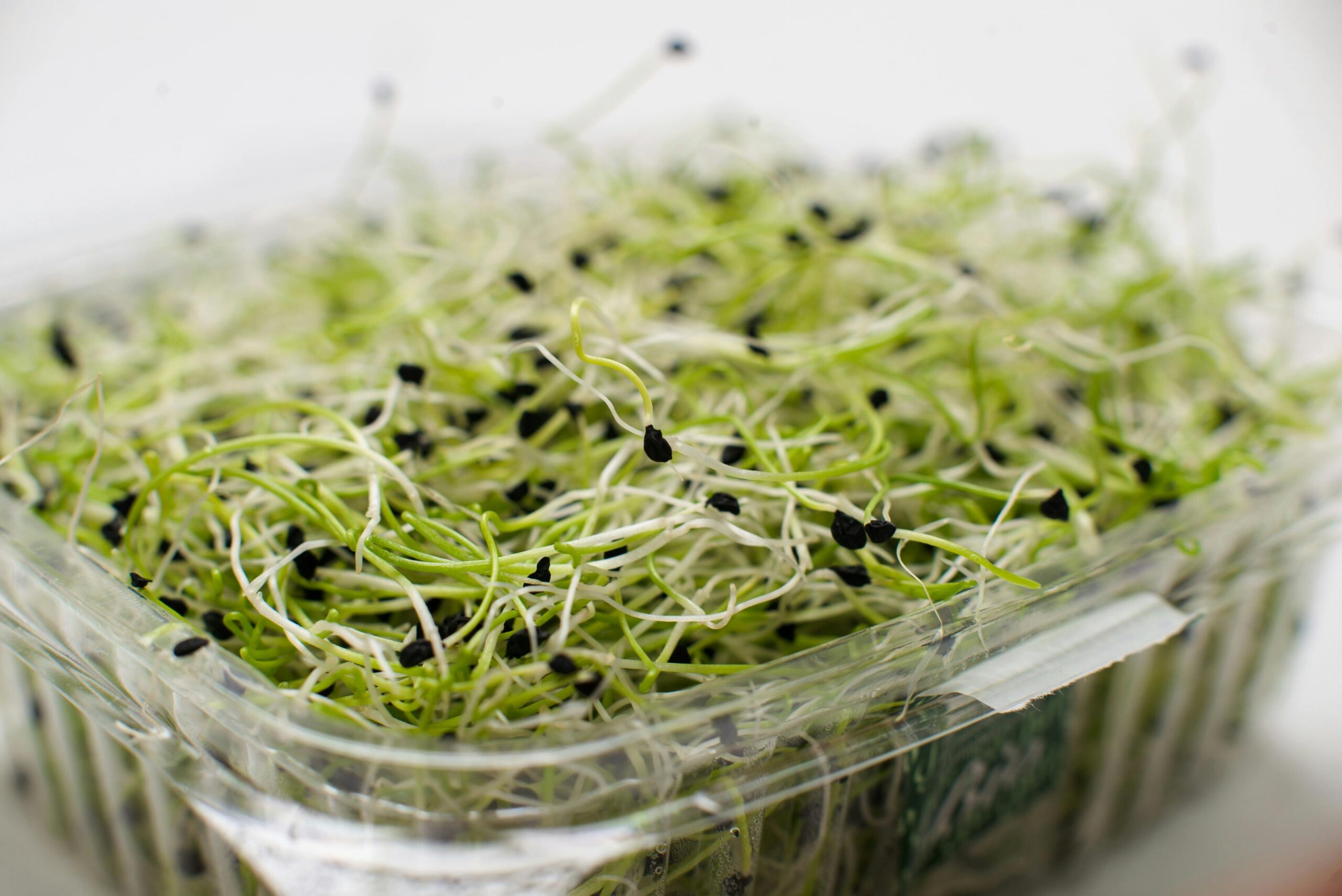
Alfalfa (Medicago sativa): Benefits, Uses, Preparation, and Cultivation guide
Alfalfa, also called lucerne, is a common forage crop in many countries and is used as silage and hay for livestock. It comes from the Arabic word al-fasfasa, meaning ‘fresh fodder.’ There have been reports that alfalfa leaf preparations were used in the relief of kidney and prostate disorders. It is also a commercial source…
-
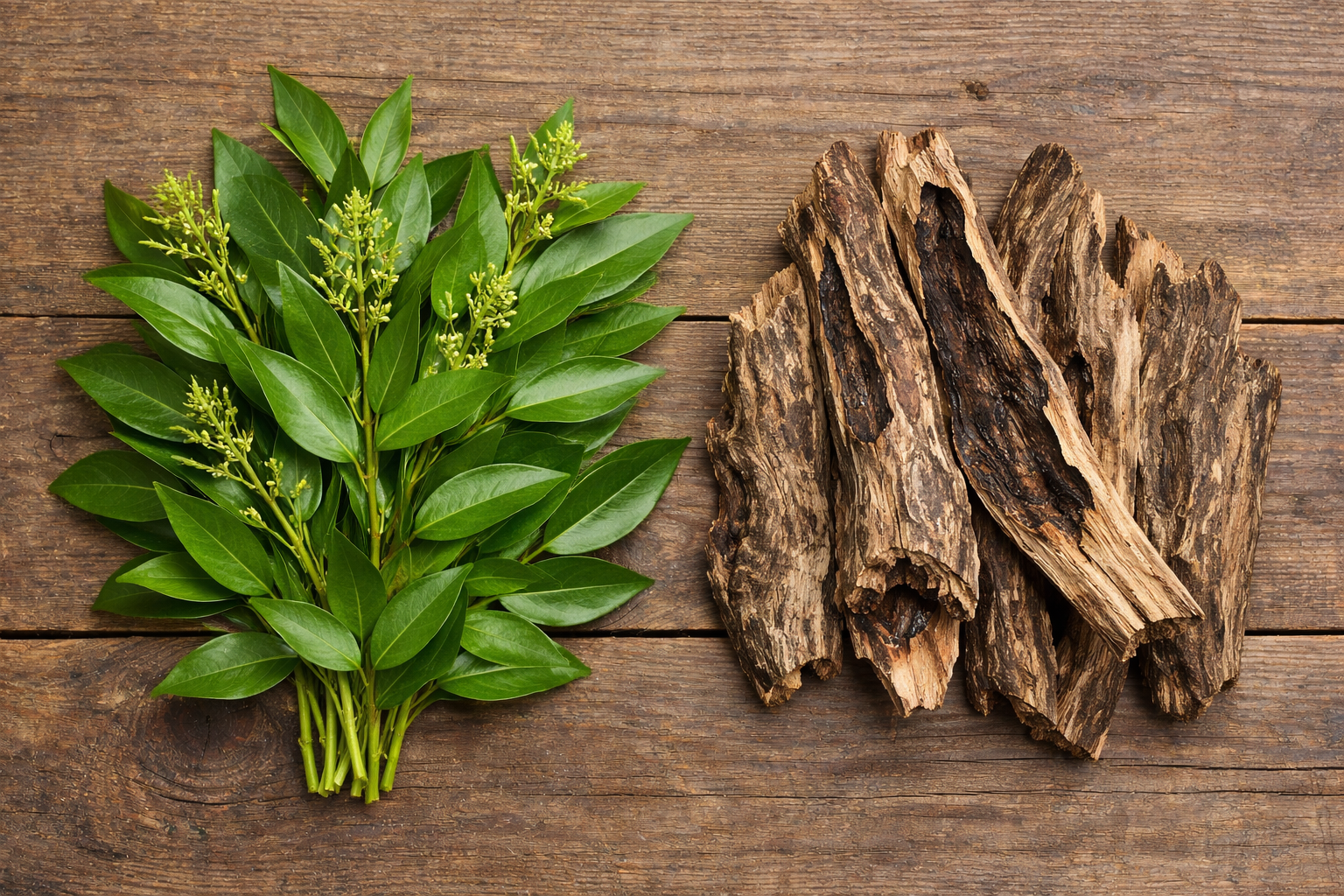
Agarwood (Aquilaria spp.): Benefits, Uses And Natural Remedies
Agarwood, also commonly called oud/oudh, eaglewood, and wood of gods, is a plant primarily used in the manufacturing of aromatic scents in perfumery. It is rich in terpenes and sesquiterpenes, genkwanins, mangiferins, phenolic acids, and flavonoids. It has a cylindrical trunk and a rough bark with fissures. The leaves are oblong and leathery with a…
-
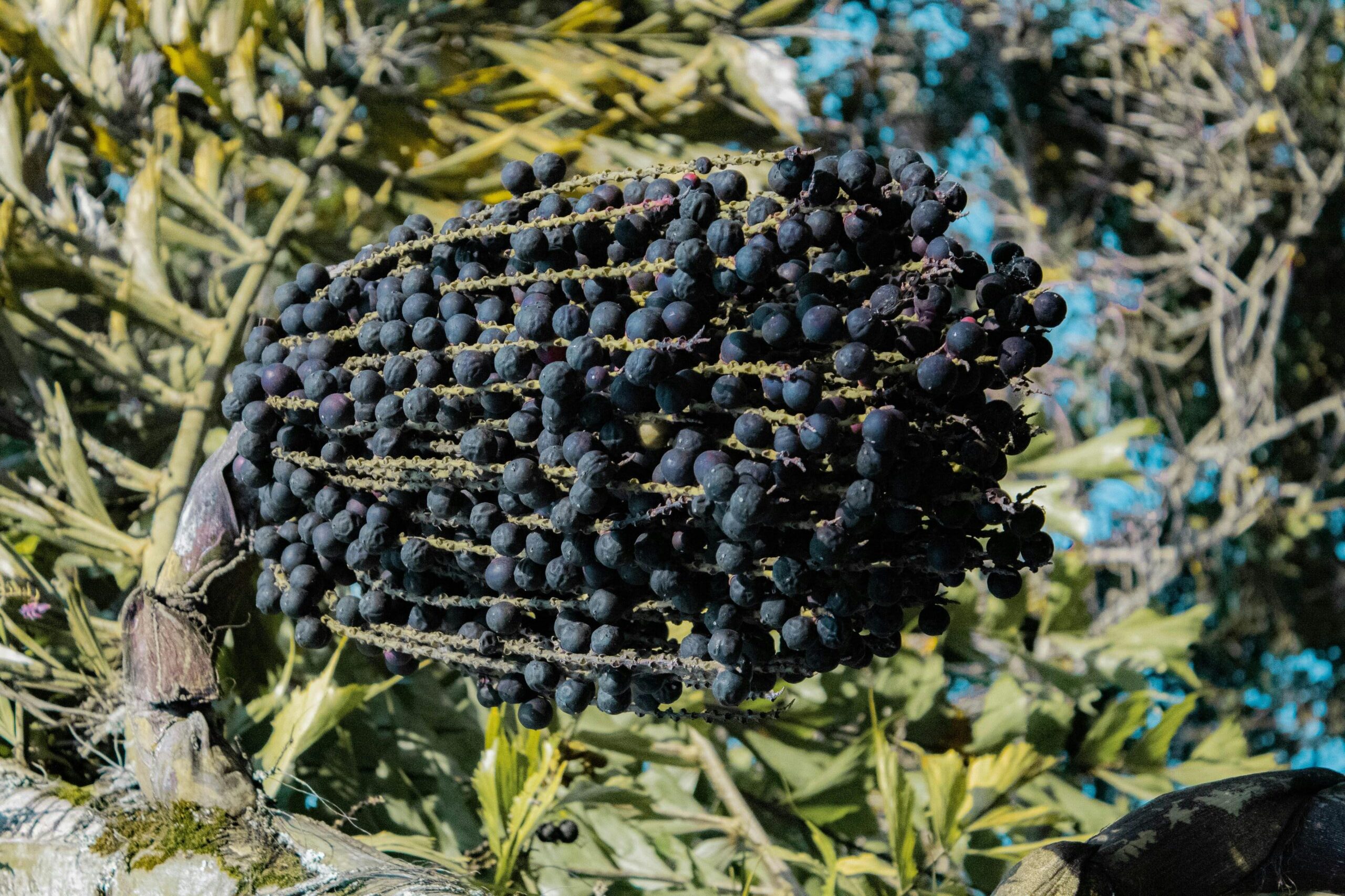
Acai Berry (Euterpe oleracea): Health Benefits and Uses
Acai berry is a fruit mainly taken as a delicacy by being eaten raw. It is used in juices, syrups, liqueurs, ice cream, sweet jelly, and energy drinks. It has a creamy texture with a tart flavor that makes it popular as an ingredient in snacks. Its deep purple color comes from the compound anthocyanidin.…
-

Arnica (arnica montana)Benefits,Uses,Preparation And Cultivation guide
Arnica, also called leopard’s bane, mountain snuff/tobacco, or arnica floss, is an herb that was beneficial to early north Americans as a tincture for the treatment of sore throats. Today, arnica gel is gaining popularity as a topical pain relief for people suffering from osteoarthritis. Arnica description and components Arnica belongs to the family Asteraceae.…
-
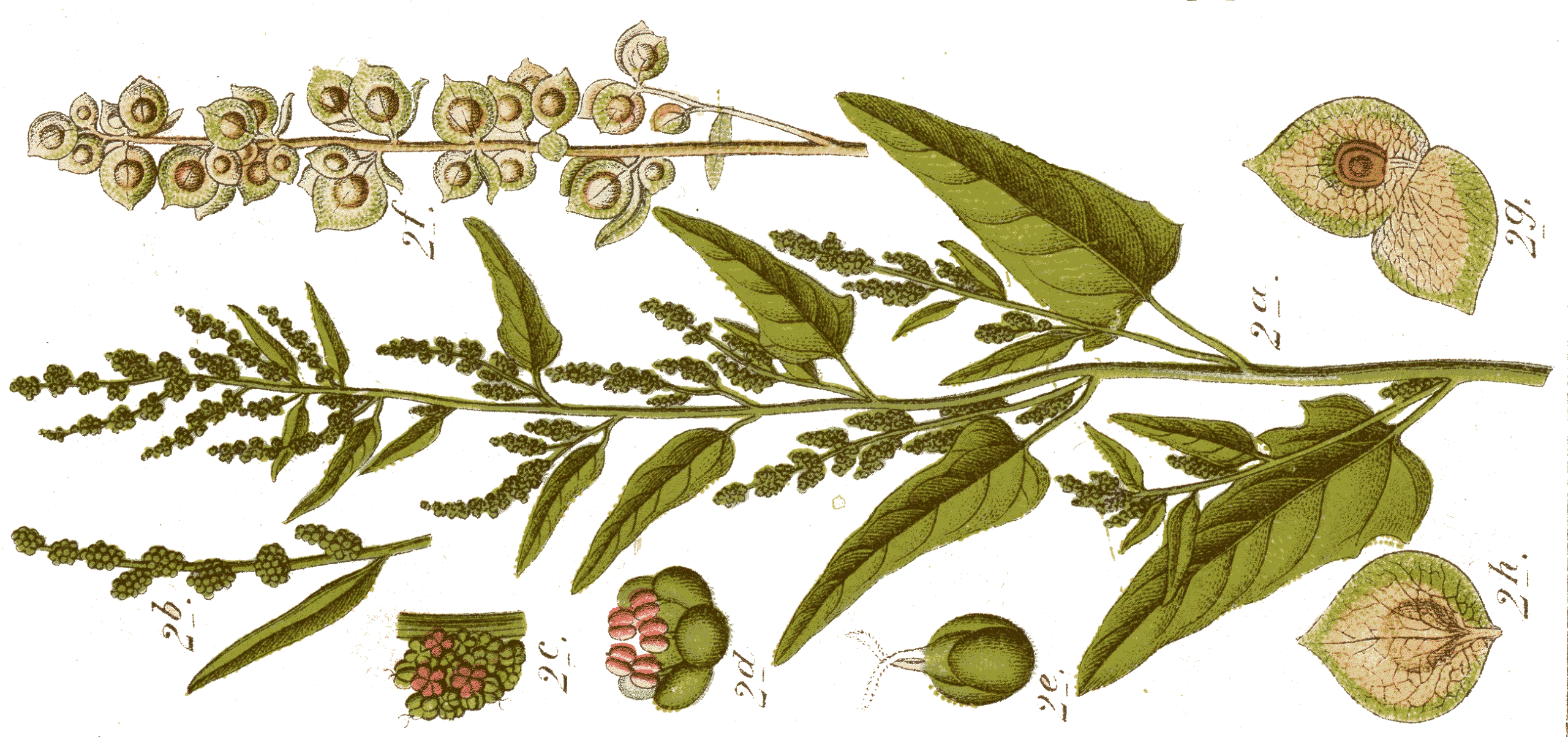
Atriplex: Benefits, Uses And Natural Remedy
Commonly known as saltbush and orache, Atriplex is a plant genus that has been consumed as food by camels. It is rich in zinc, selenium, copper, phosphorous, phenolic acids, flavonoids, saponins, tannins, alkaloids, betalains, oxalates, sterols, and essential oils. The plant is covered with bladderlike hairs collapsing to form a silvery and scurfy appearance. The…
-
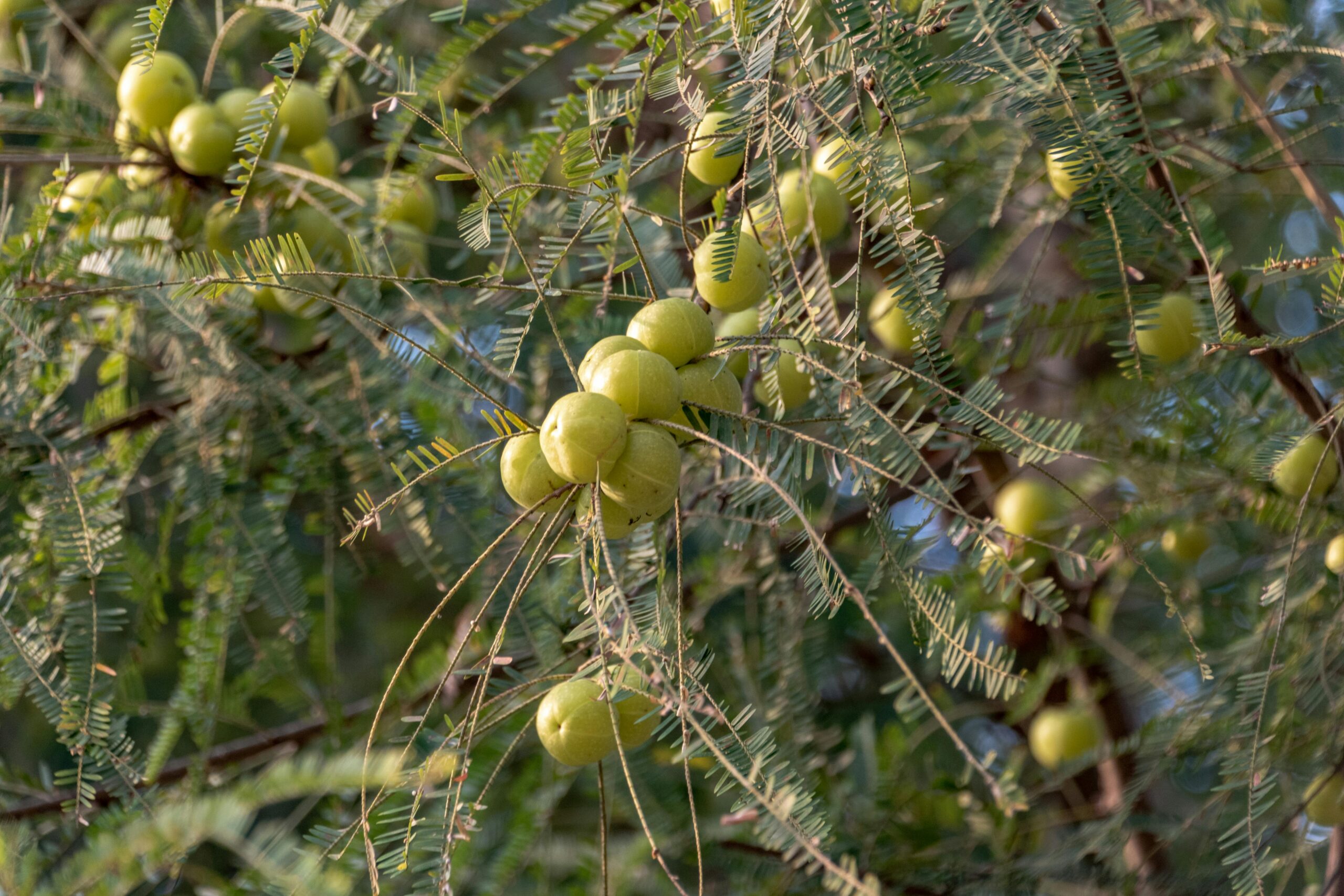
Amla(Phyllanthus emblica): Health Benefits And Uses
Amla is one of the most common ingredients in hair tonic used to boost hair growth. It is a fruit that can be eaten raw or pickled with salt and spices. The bark has an astringent, bitter taste. It is rich in vitamin C, amino acids, tannins like gallic acid and phyllembelin, and alkaloids like…
-

Angelica (angelica archangelica)Benefits, Uses, Preparations, And Cultivation
Angelica is a beneficial herb that has been used historically to make jams and in liqueurs, especially gin distillation. Its origin name, ‘angelica,’ in Latin means ‘angel’ and is a favorite among the spiritual community, as it is associated with a divine message or messenger, hence the common nickname ‘holy ghost plant.’ The stems could…
-
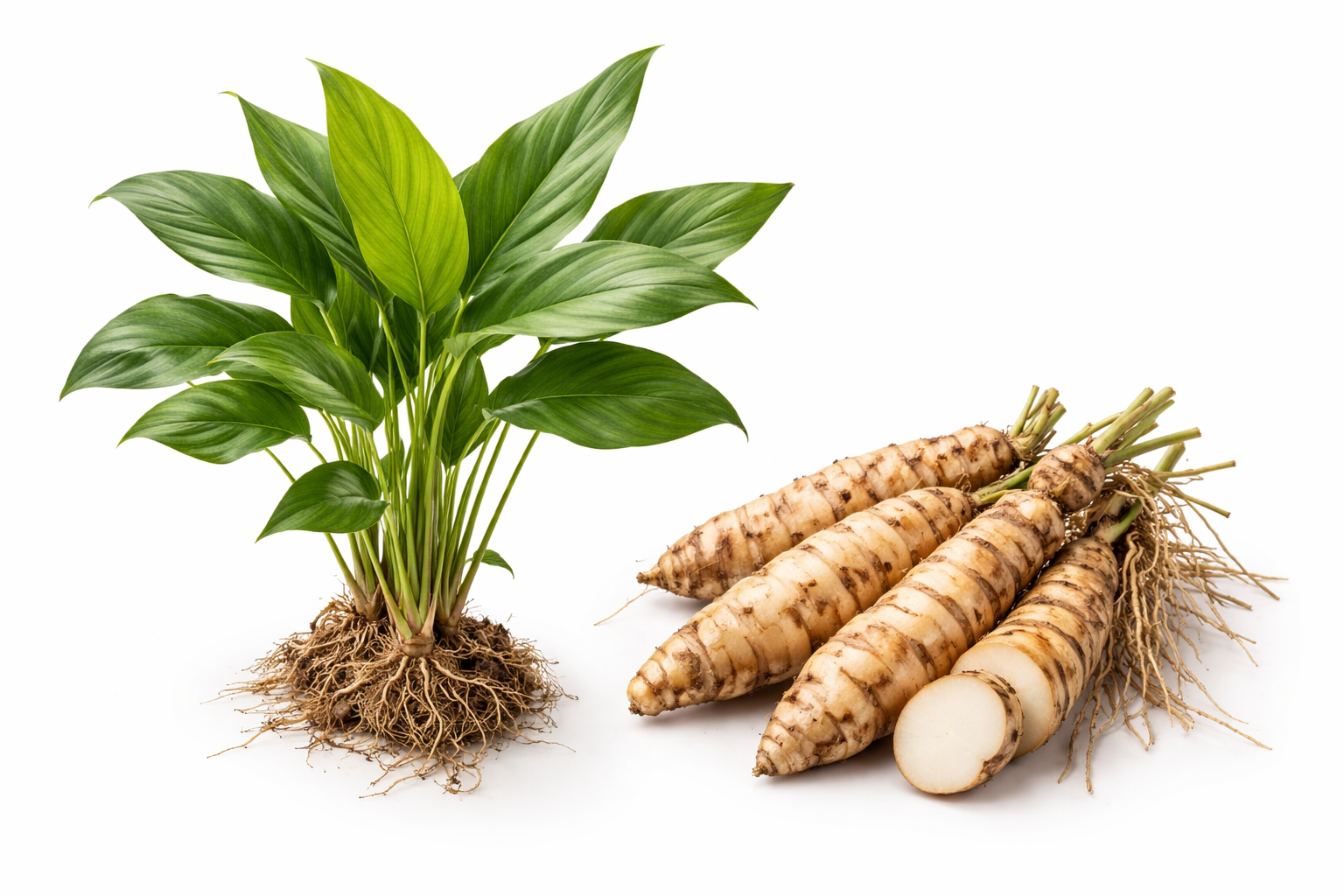
Arrowroot (maranta arundinacea):Benefits, Uses And Natural Remedy
Arrowroot, a starchy root vegetable, has been a delicacy in many parts of the world where it was a native, by extracting starch through its powdered flesh. It belongs to the family Marantaceae and is rich in carbohydrates, protein, fat, fiber, folate, phosphorous, Iron and potassium. It is gluten-free. Arrowroot flowers are small and occur…