
Author: All Naturals Haven
-
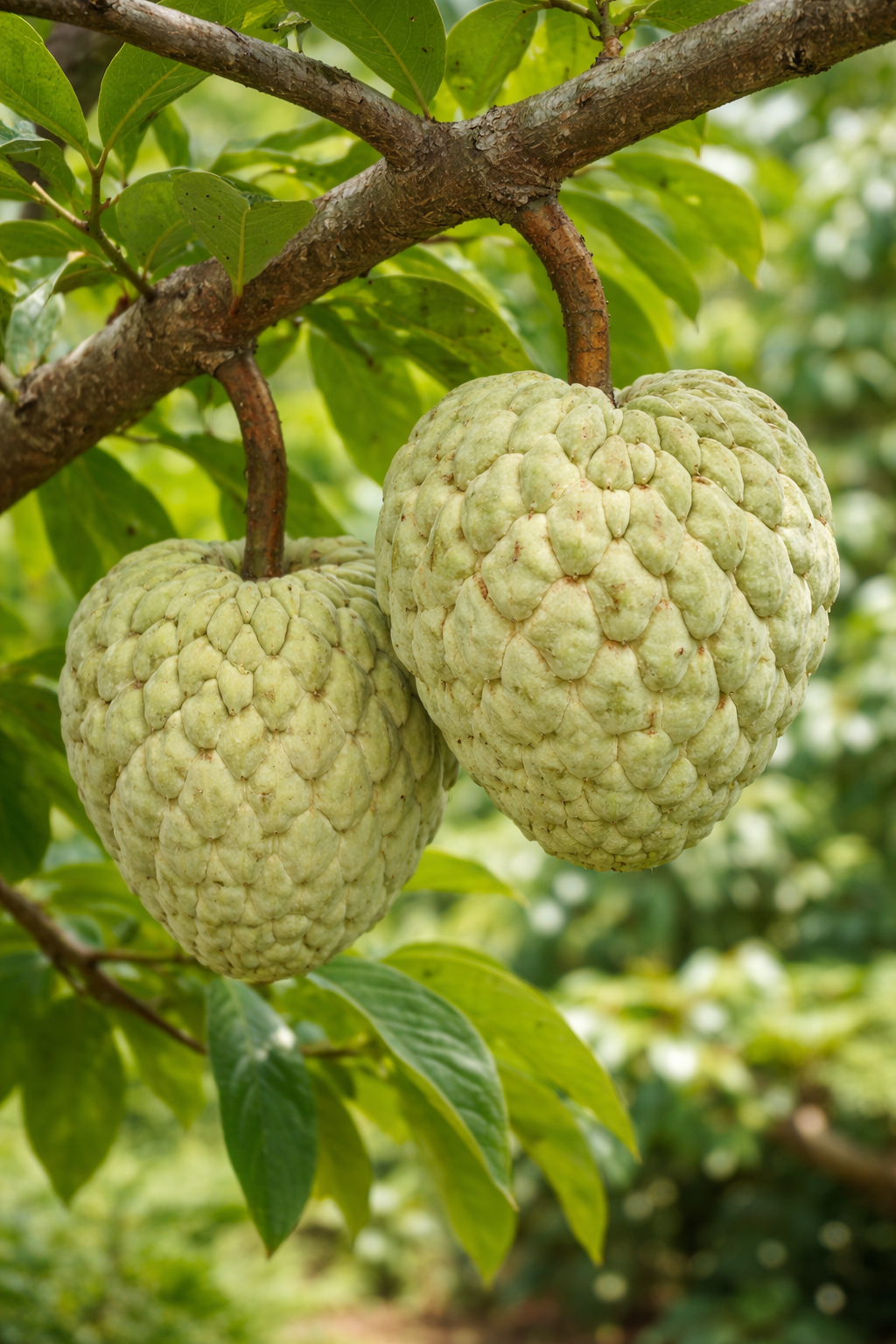
Atemoya (Annona atemoya): Health Benefits And Uses
Atemoya is a hybrid of cherimoya and sugar apple. It is an edible fruit that can also be made into ice cream. The toxic black seeds are used in making pesticides. It contains vitamin C, phenolic compounds, and fiber. The fruit is common in Taiwan, Cuba, venezuela, Brazil, Lebanon, and Tanzania, where it is called…
-
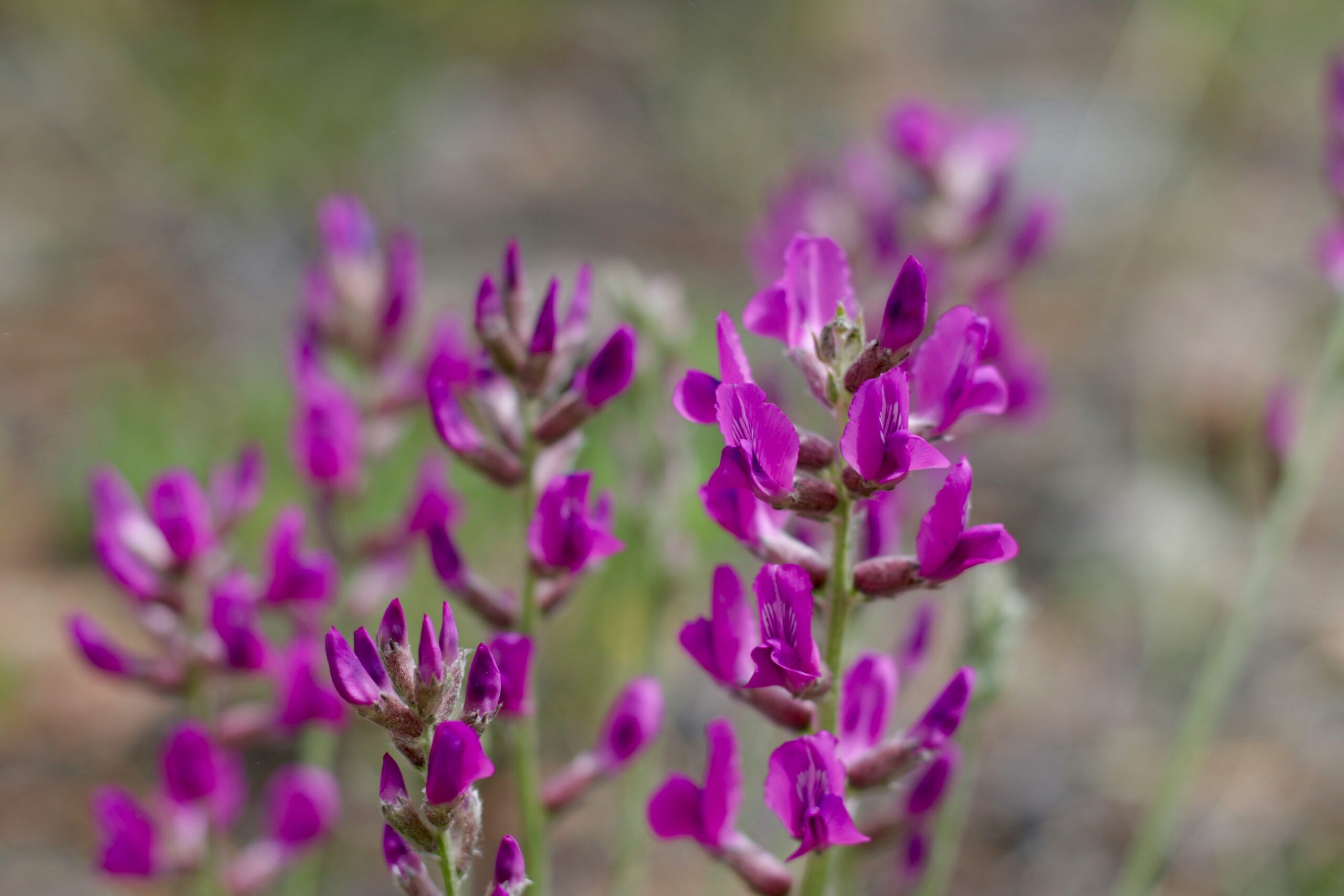
Astragalus/Milk-vetch (astragalus membraneceus): Benefits, Uses, Preparations And Cultivation
Astragalus is an herb that was used traditionally in ancient China to strengthen qi (vital energy), aid in relieving fatigue, and support the immune system functions. Several related species, like A. alpinus and A. hypoglottis, are grown as ornamentals in gardens. Astragalus properties and composition Astragalus, also known as milkvetch, goat’s thorn, and radix astragali,…
-
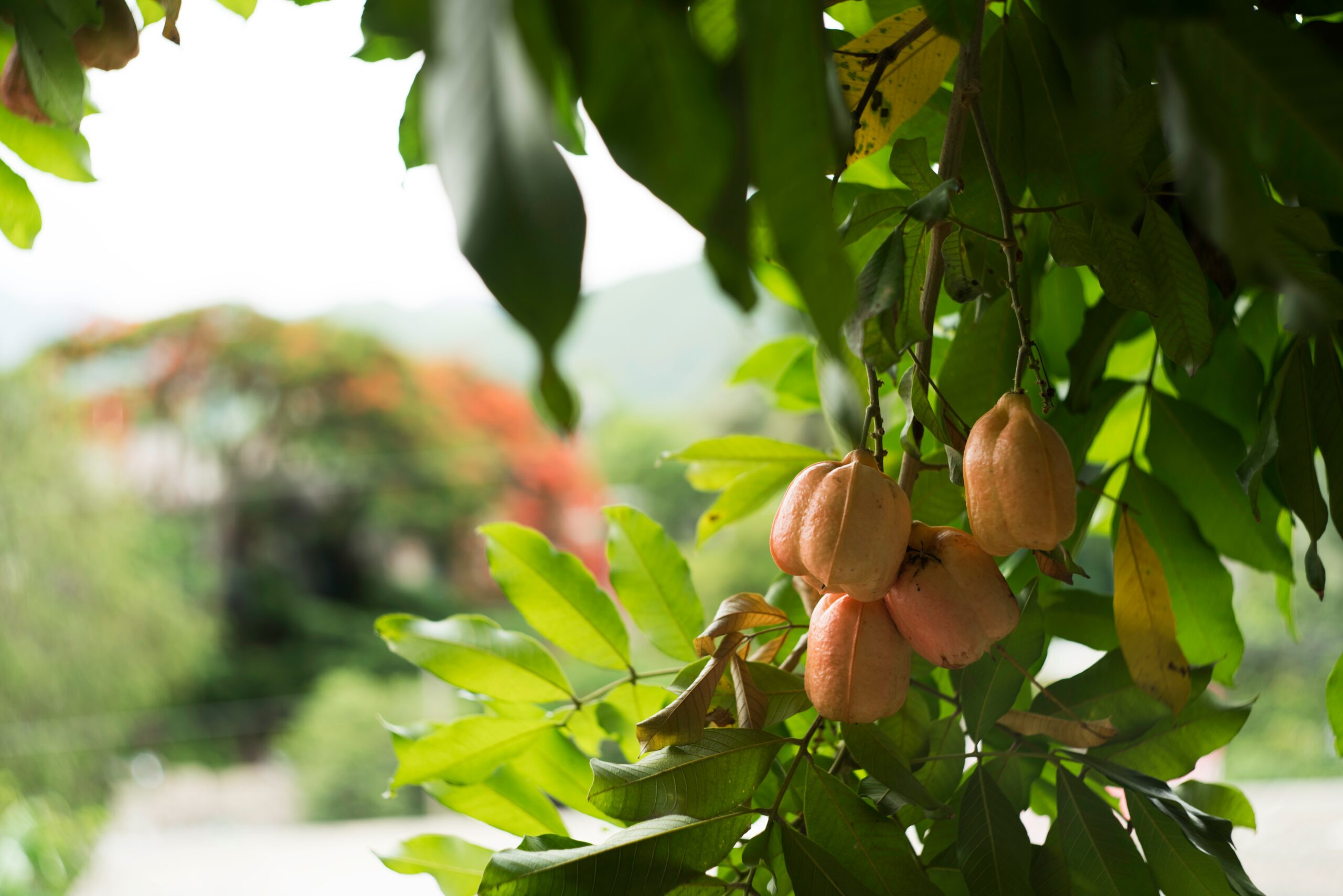
Ackee (blighia sapida): Health Benefits And Uses
Ackee, also called breadfruit or gwanja kusa in some dialects, has been eaten by boiling or sautéing its aril in Jamaica for centuries. If unripe, it is toxic and induces severe hypoglycemia with convulsions and may even lead to death. This is due to the hypoglycin A and B content in unripe fruits. Acee is…
-
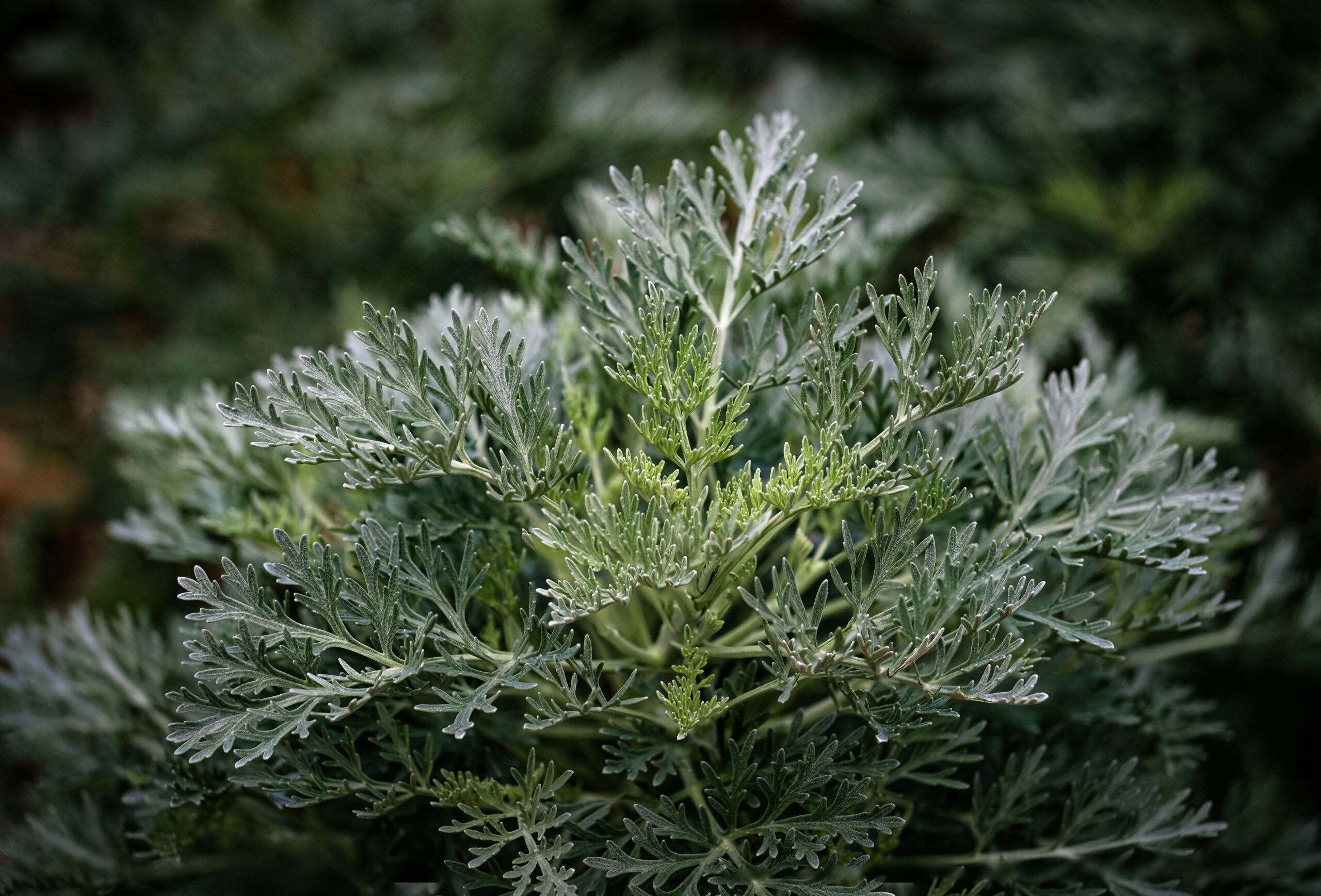
Artemisia/Sweet Wormwood (artemisia annua): Benefits, Uses,Preparations And Cultivation
Artemisia is commonly known for its use as an antimalarial agent. It has also been used against fever. Artemisia has produced several compounds, with the first being artemisinin and later on semi-synthetic derivatives like arteether, artemether, and artesunate. Artemisia description and compounds Artemisia, also known as sweet wormwood, qinghaosu, and sweet sage wort, belongs to…
-
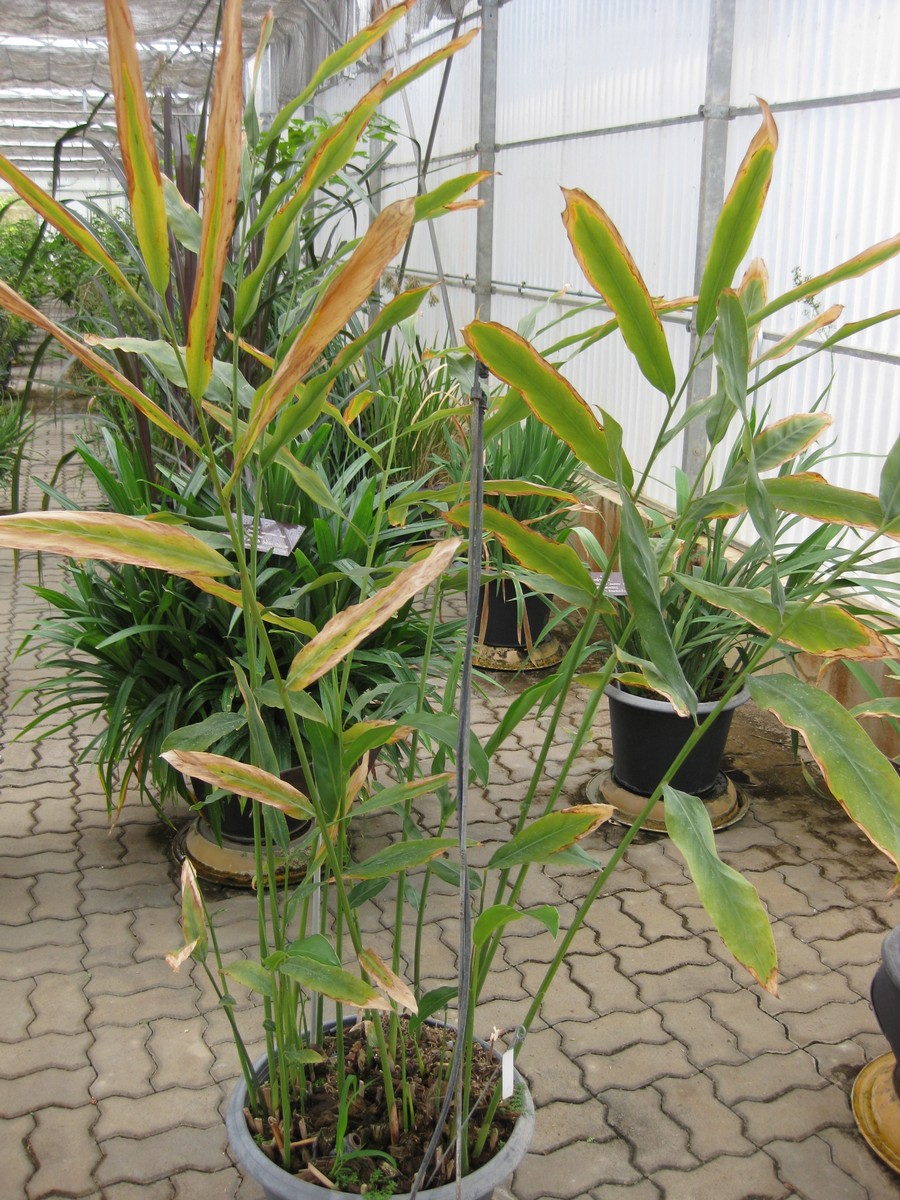
Alpinia Galanga (Greater Galangal): Benefits, Uses and Natural Remedy
Alpinia galanga plant leaves have been used for flavoring dishes. It has also been used herbally as a digestive aid. It contains flavonoids (galangin), phenylpropanoid, essential oils, polyphenols, diarylheptanoids, and carbohydrates. The leaves are long and green with a smooth and slightly glossy texture. The rhizomes are knobby, cylindrical, and aromatic, with pale yellow insides…
-
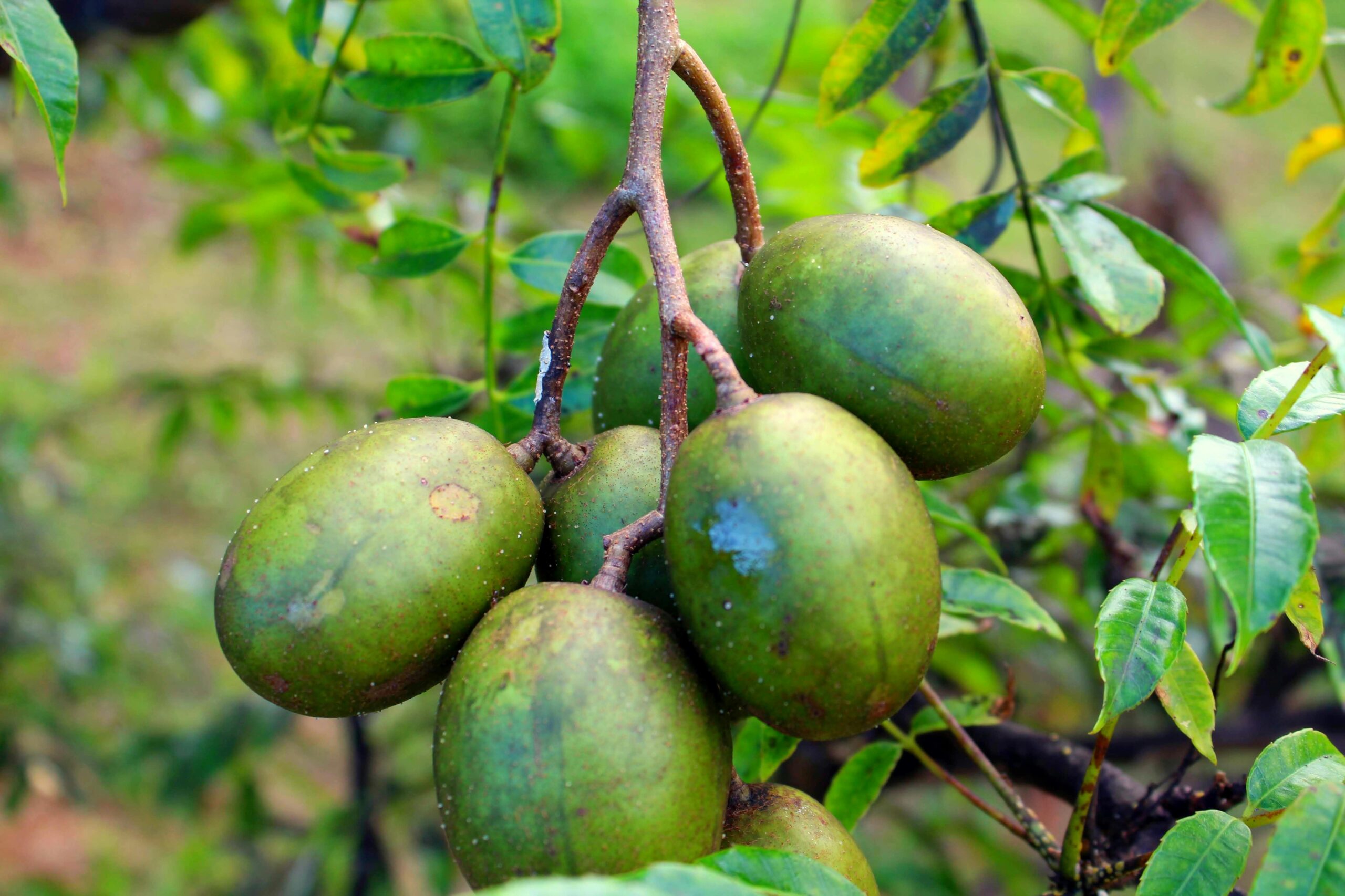
Ambarella (spondias dulcis/cythera): Health Benefits And Uses
Ambarella, also called golden apple or June plum, is a fruit that is eaten raw. The fruit can also be made into flavorings for sauces, soups, and stews. A common delicacy in Sri Lanka, the fruit is soaked in vinegar and chili with other spices to make acharu. It contains vitamin C, phenols, fructose, ethanol,…
-
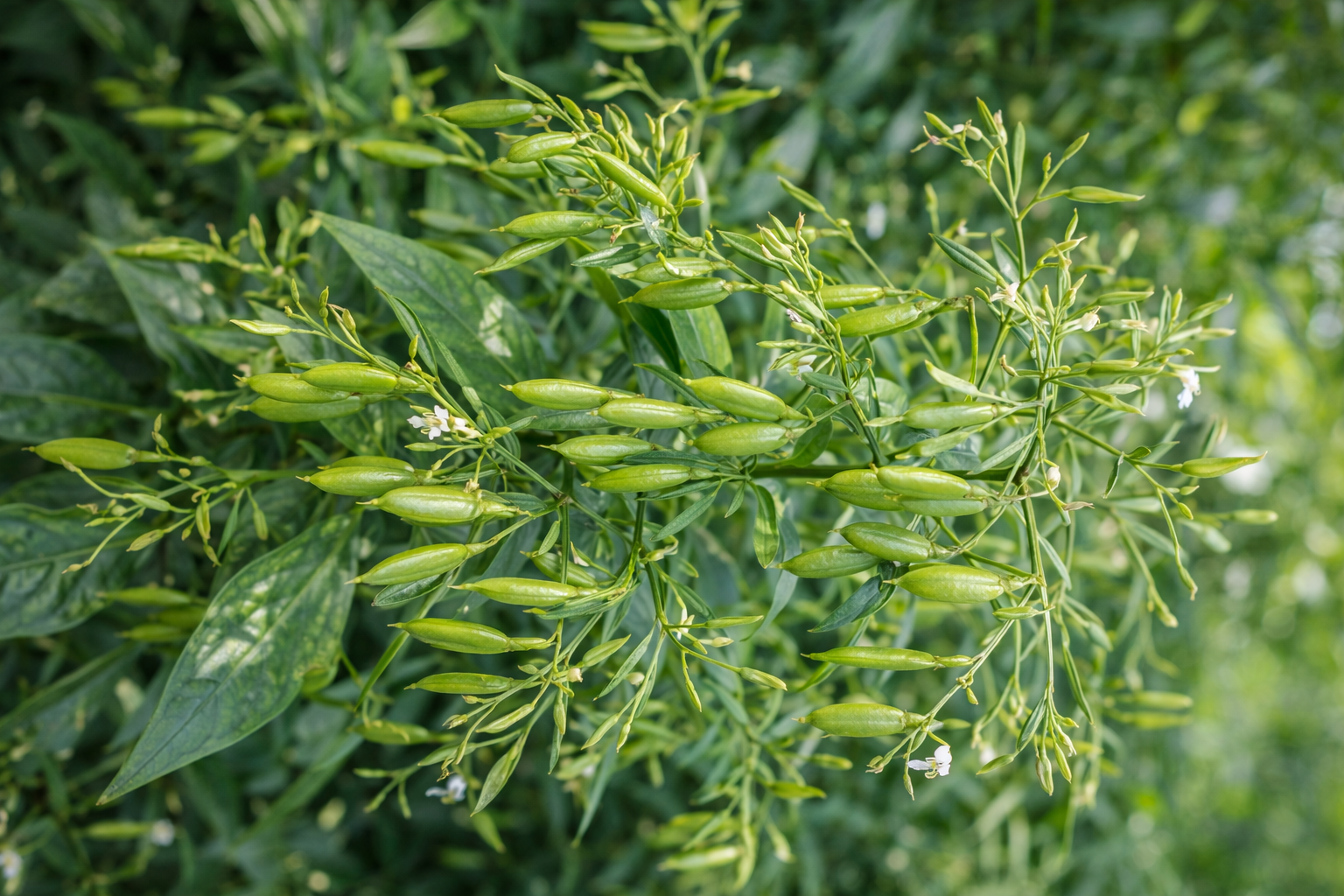
Andrographis (Andrographis paniculata): Benefits, Uses, Preparation, and cultivation
Andrographis is a bitter-tasting herb that was traditionally used as an antipyretic agent. It is valued in Unani, Ayurvedic, and siddha medicine and in Scandinavian countries, a solution of Andrographis called Kan Jang has been used as an immunostimulant. Andrographis description and composition Andrographis, also called false waterwillow/alui/chuan xin lian/mahatita, amongst others, belongs to the…
-
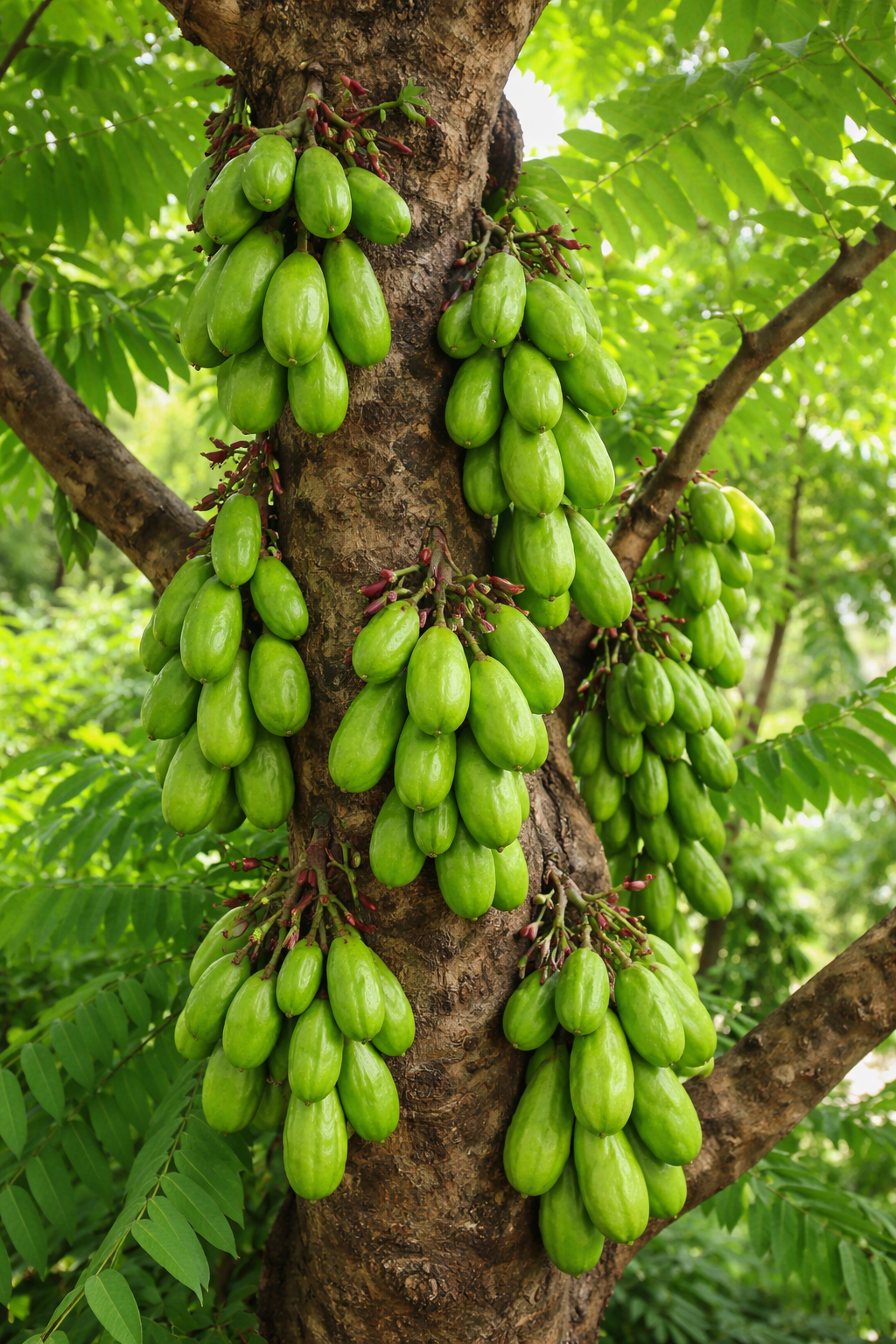
Averrhoa Bilimbi: Benefits, Uses, and Natural Remedy
Averrhoa bilimbi, also called ‘cucumber tree,’ ‘tree sorrel,’ or ‘bilimbi,’ has been used as a souring agent in dishes such as pickles. It contains flavonoids, phenols, tannins, saponins, glycosides, steroids, alkaloids, oxalic acid, calcium, magnesium, and zinc. The flowers are small and purplish, appearing in clusters along the trunk. The trees are oblong, about 5…
-
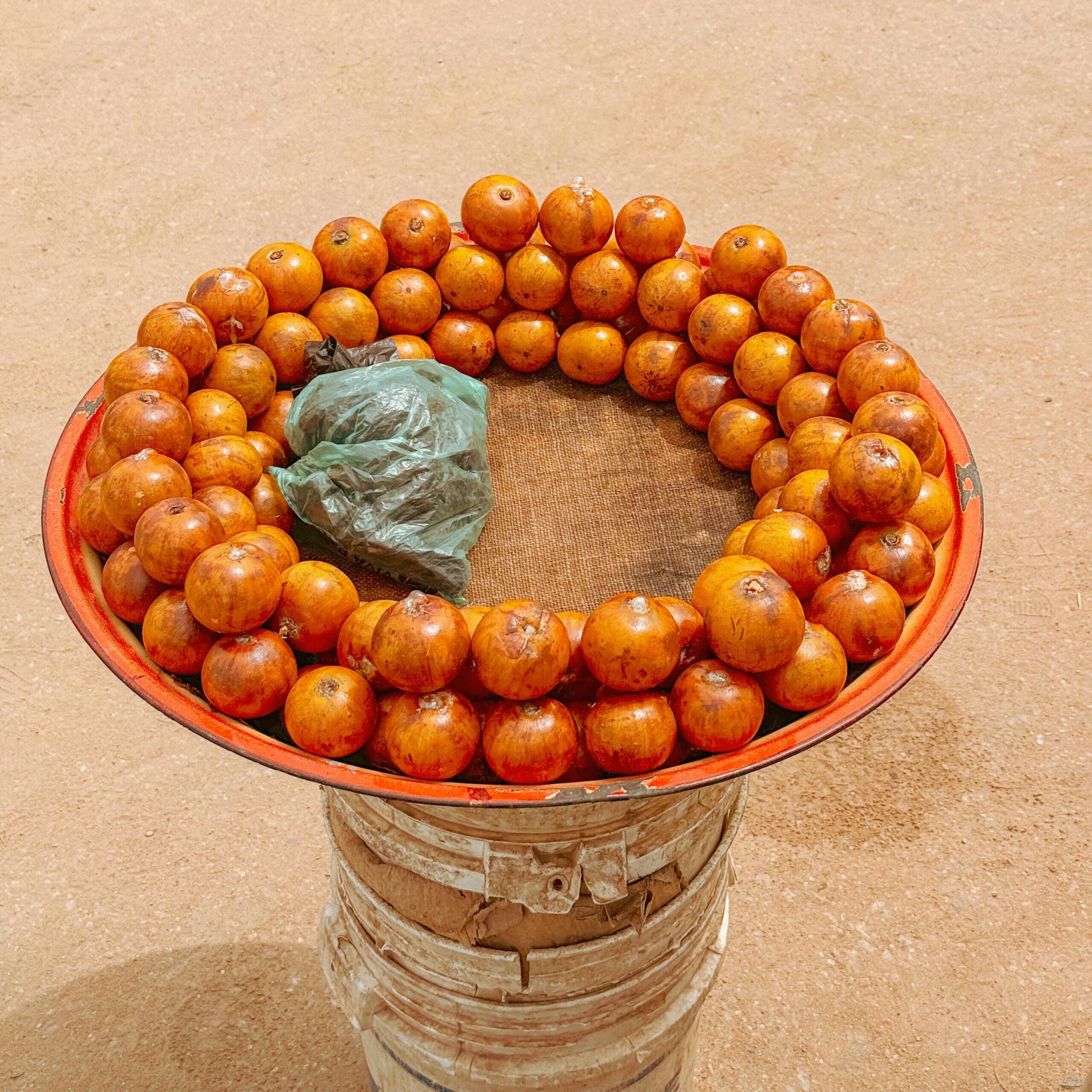
African Star Apple (Chrysophyllum albidum): Health Benefits And Uses
The African star apple, also called Udara/white star apple, is native to West Africa and is especially common in Nigeria, Ghana, Benin, Cote d’Ivoire, and some parts of Uganda. It contains vitamins C, B1, B2, B3, B6, and E; zinc; potassium; calcium; iron; phosphorous; proteins; fat; fiber; flavonoids; and carbohydrates. The fruit is small, about…
-
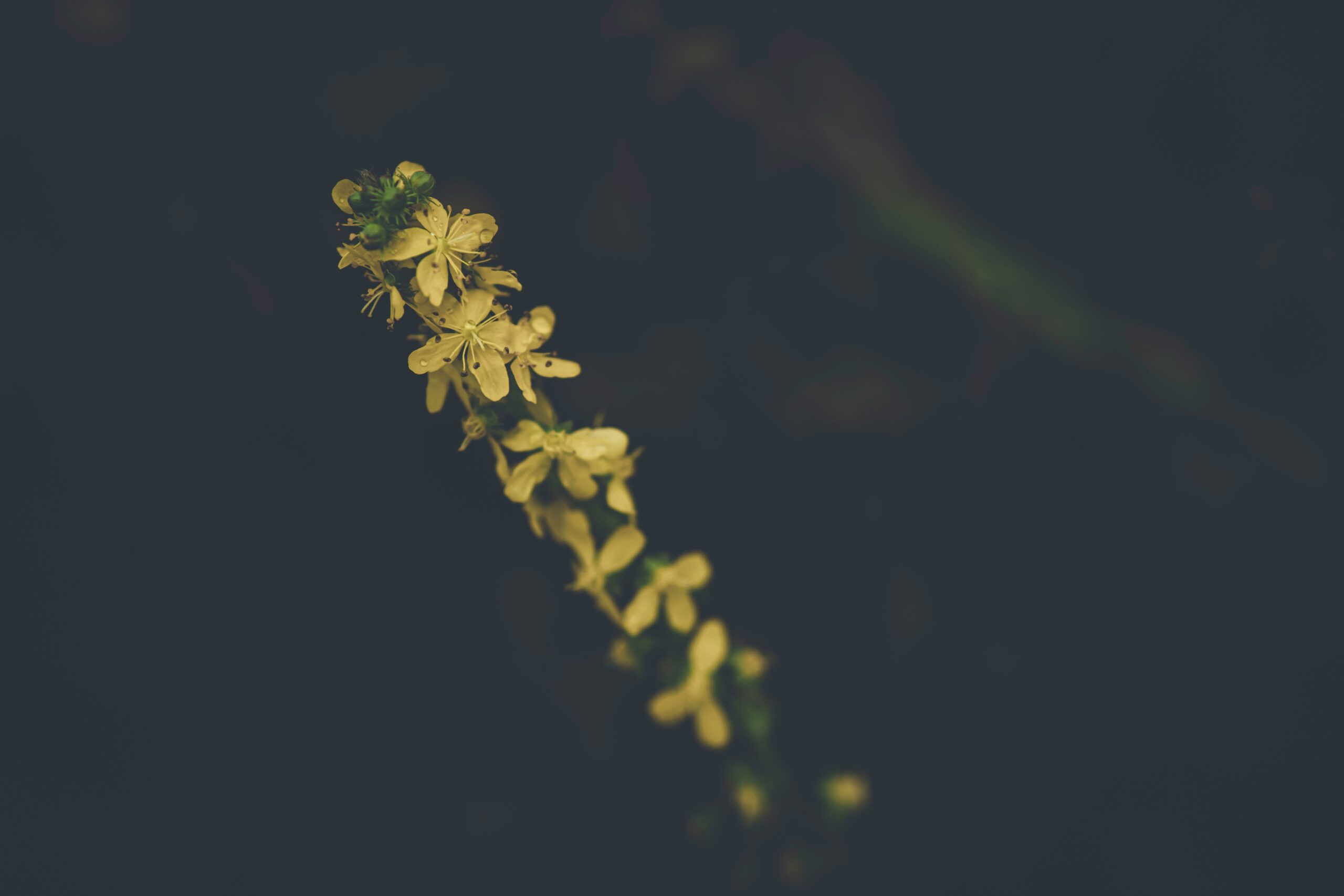
Agrimony (agrimonia eupatoria): Benefits, Uses, Preparation And Cultivation guide
Agrimony is an herb with a long history of medicinal use, starting with the Greeks, who used it to treat eye ailments, to the Anglo-Saxons, who used it with milk to improve erectile performance. In China, the extract guan chang fu fang was used in the management of cancer. Its name originates from the Greek…